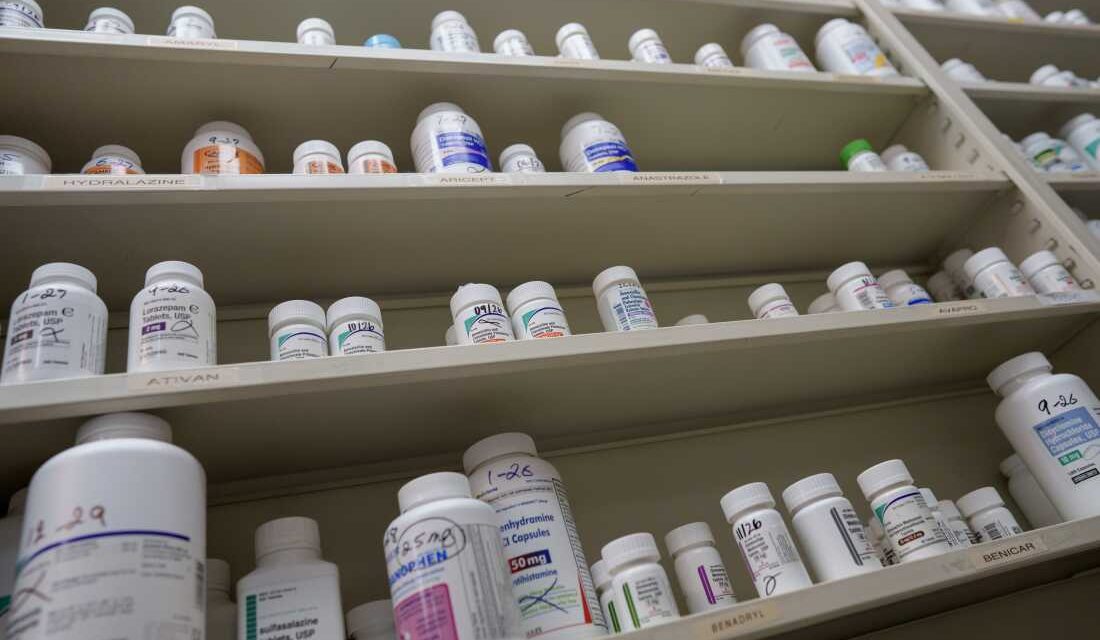
Medicare Part D drug coverage premiums may rise next year. This change follows the end of subsidies that kept costs down. These subsidies, introduced by the Trump administration, are concluding a year earlier than expected.
The Inflation Reduction Act of 2022 capped Medicare patients’ out-of-pocket drug spending at $2,000 starting in 2025. Additionally, it altered how insurers contribute to drug costs. This allowed seniors to pay less for medicines, benefiting their access to costly prescriptions. However, insurers were set to shoulder more costs. Initially, insurers were uncertain about the extent of their added expenses or how to adjust premiums.
To facilitate insurers’ transition, the Biden administration implemented temporary subsidies through a demonstration project. These subsidies were meant to stabilize premiums through 2027. Dr. Mehmet Oz, overseeing the Centers for Medicare and Medicaid, announced the subsidy cut on the social media platform X. He declared that the Biden administration provided billions to major insurance companies, calling it unacceptable.
The Government Accountability Office estimated these subsidies would cost $9.8 billion in 2025 and 2026. In 2025, about 23 million people enrolled in standalone Medicare Part D plans. Oz indicated the subsidies are no longer necessary, predicting most Medicare users would face less than a $10 per month rise in premiums. Yet, Juliette Cubanski from the Program on Medicare Policy at KFF suggests the increase could surpass that amount. Currently, subsidies reduce average premiums by $16 monthly, preventing costs from soaring nearly 50%.
Stacie Dusetzina from Vanderbilt University expressed concerns about subsidies ending. She noted that standalone Medicare drug plans relied heavily on these subsidies, in contrast to Medicare Advantage plans which have more flexibility in managing premiums.
“Project 2025 clearly aims to shift more users toward Medicare Advantage,” she explained, highlighting a strategy from the Heritage Foundation for a potential second Trump presidency.
Transitioning from traditional Medicare to Medicare Advantage might seem appealing due to lower premiums, but there are downsides. Medicare Advantage offers a narrower network of providers and hospitals. It requires careful consideration of your long-term health needs.
 Understanding and Addressing the Complexity of Suicide
  Recall of Meat Products from Star Meat Delivery Inc.
  Questions Arise After Presley Gerber’s Death in Rehab
  Upcoming Concerns and Influence in Health Politics
  Fraud Task Force Saves Billions by Tackling Obamacare Misuse
  Presley Gerber’s Passing Raises Addiction Recovery Concerns