Michigan’s Democratic Primary: Key Players and Stakes
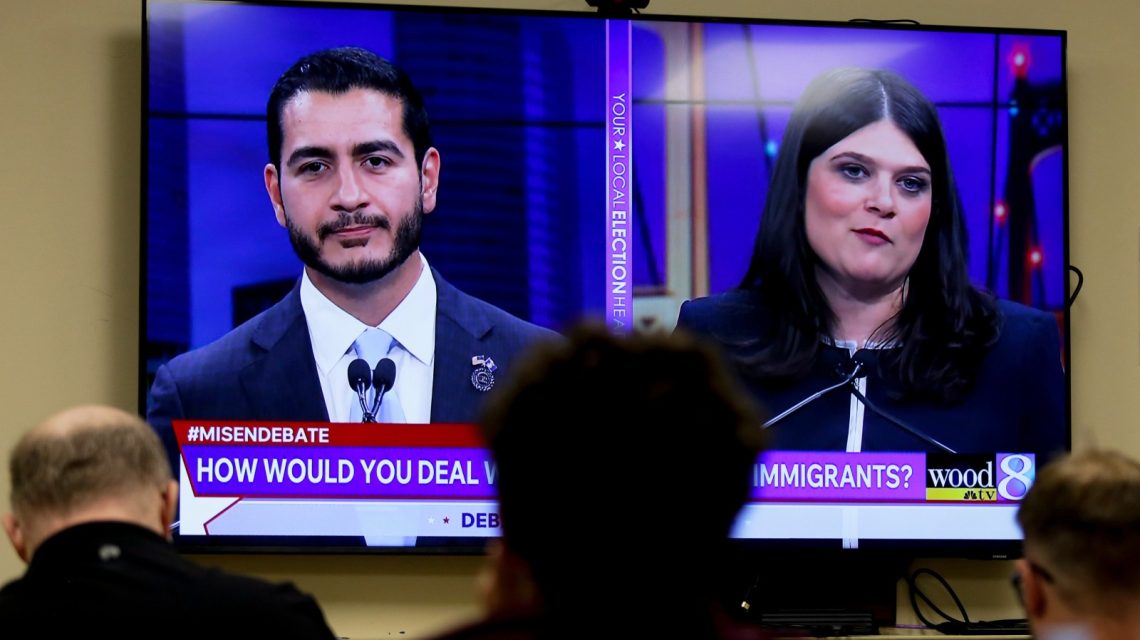
Michigan Democrats find themselves at a pivotal moment as they head to the polls. The primary has captured the attention of Democrats nationwide, not just for choosing a successor to the retiring Senator Gary Peters. It has become a referendum on the party’s future direction. Abdul El-Sayed, a former public health official, competes against Representative Haley Stevens for the Democratic nomination. This race has evolved into a symbolic national battle over ideology, campaign financing, and influence within the party.
El-Sayed stands as a figurehead for the progressive wing of the party. He has garnered endorsements from influential figures like Senator Bernie Sanders and Representative Alexandria Ocasio-Cortez. His campaign advocates for grassroots organizing as a means of overcoming institutional power. Conversely, Stevens represents the establishment favorite, receiving backing from Governor Gretchen Whitmer and support through substantial outside funding from the American Israel Public Affairs Committee’s (AIPAC) affiliated super PAC.
The outcome has implications beyond Michigan’s borders. A victory for El-Sayed could be seen as evidence of the progressive message gaining traction in competitive battleground states. Conversely, if Stevens is nominated and secures the seat, moderates may argue that progressive candidates are still a liability in swing-state elections.
Money, Influence, and the AIPAC Debate
The race has seen unprecedented levels of outside financing. United Democracy Project, AIPAC’s super PAC, has contributed approximately $30 million towards supporting Stevens and opposing El-Sayed, marking their largest investment in a single race.
For progressives, this immense spending has transformed Michigan into a battleground over whether outside money can dictate Democratic primaries. Joseph Geevarghese, executive director of Our Revolution, emphasizes the importance of grassroots organizing over financial power. He argues that voters prioritize issues like affordability, housing, and health care.
Stevens’ campaign counters that her strengths lie beyond outside funding. Campaign spokesperson Joetta Appiah asserts polling consistently shows Stevens as the strongest candidate to face Republican Mike Rogers, suggesting Republicans would rather face El-Sayed.
An El-Sayed victory could deal a significant blow to AIPAC’s influence and signal diminishing sway within Democratic politics. The primary’s timing allows the eventual nominee under 100 days to rally Democrats before facing Rogers.
The Fight for Black Voters
The ability to build a winning coalition may depend on Black voters, who form roughly one-fifth of Michigan’s Democratic primary electorate. Historically, Black voters have leaned towards moderate candidates. Recent polling indicates Stevens holds an advantage among older Black voters, while El-Sayed resonates more with younger, college-educated individuals across racial lines.
Both campaigns have actively courted Black communities through visits to cities like Detroit, Flint, and Pontiac. However, El-Sayed’s involvement in the 2024 “uncommitted” movement, alongside criticisms from centrist figures, creates skepticism among some voters.
National Ambitions and Campaign Strategies
As the race tightens, Stevens and her camp have increasingly questioned El-Sayed’s focus, suggesting ambitions extend beyond Michigan. Leaked audio from a donor call shows El-Sayed envisioning his Senate victory as a chance to reshape the Democratic Party. Stevens has framed El-Sayed as more interested in national politics than representing Michigan.
Stevens campaign’s emphasis remains on Michigan, with spokesperson Arik Wolk highlighting her plans to defend Michigan interests against external pressures like Trump’s tariffs.
Momentum and Election Predictions
Recent polling indicates El-Sayed leading Stevens as the primary approaches, a reversal from earlier surveys. Prediction markets like Kalshi and Polymarket give him a strong probability of clinching the nomination.
Despite Michigan’s unpredictable political landscape, Whitt Kilburn from Grand Valley State University notes demographic factors are reshaping voter turnout and sentiments.
The Road to November
Tuesday’s primary winner faces another rigorous test in November. Michigan ranks among the closest battleground states. While Democrats might have advantages, given Trump’s absence from the ballot, El-Sayed or Stevens will need to win over a diverse electorate.
Polls suggest both candidates enter the general election competitively against Rogers. A primary win alone does not guarantee success in the general election, as the electorate differs for both events.
Republicans see this Senate seat as a prime opportunity to enhance their majority, with Michigan being a pivotal battleground in recent national elections.
The results will reveal which candidate Democrats believe can defend one of the nation’s key Senate seats. Discussions about the party’s future concerning its establishment or progressive wing are likely to continue well past the voting day.
 Trump Administration Seeks to Influence NIH Grantmaking
  Protests in Austin: Analyzing the Coordination Behind Anti-ICE Demonstrations
  Controversy Surrounds Inglewood Mayor Amid Allegations
  White House Launches Trump TV Amidst Press Dispute
  Media Organizations Sue Trump Administration Over Press Access
  VP JD Vance Trails Potential Democratic Contenders in Early Polling for 2028 Election