
The Michigan Democratic Senate primary election is a major test of the party’s future direction. Dr. Abdul El-Sayed, a progressive with a focus on universal health care, faces Representative Haley Stevens, a centrist endorsed by party leaders. The winner will replace retiring Senator Gary Peters in a battleground state pivotal for Senate control.
Dr. El-Sayed and Ms. Stevens have deeply contrasting ideological perspectives and campaigning styles. Dr. El-Sayed advocates for significant systemic changes including universal health care, while Ms. Stevens supports more incremental reforms and casts herself as a proponent of bipartisan solutions.
Ms. Stevens criticized Dr. El-Sayed, accusing him of running for “celebrity and fame.” Dr. El-Sayed, conversely, dismissed these claims as peculiar, asserting that he focuses on making a tangible impact in less visible areas.
The winner will face former Representative Mike Rogers, the uncontested Republican nominee, in the general election. Democrats remain anxious about electability, debating which candidate would best challenge Mr. Rogers.
Amidst a fractured primary, Democrats express concerns over maintaining party unity for the upcoming general election. With substantial AIPAC-related spending heavily influencing the Michigan race, candidates face scrutiny over their ties to influential lobbying groups.
A Progress Change or Centrist Consolidation?
Recent polling indicates Dr. El-Sayed has maintained leads over his opponent, largely among younger voters under 30 and 50 years old—a consistent trend for progressive candidates. Ms. Stevens draws strong support from older voters, a critical demographic in primary elections.
Despite Dr. El-Sayed leading in polling, his progressive stance has raised concerns about general election viability. Polls suggest Stevens’s supporters may be reluctant to back him in a general election if nominated.
Conversely, Ms. Stevens’s pro-Israel stance could alienate portions of the Democratic base, although polling reflects mixed results regarding her appeal compared to Dr. El-Sayed.
Key Issues for Voters
Voter concerns vary, with health care, the economy, and opposition to President Trump among critical motivating factors.
Some voters, like Sarah Swider, are driven by health care access, supporting El-Sayed’s universal health care advocacy. Delilah Reynolds Fields focuses on rising living costs impacting her bakery business. Regina Mines decry Trump’s divisive influence, backing Stevens for her role in aiding Michigan’s auto industry.
Role of AIPAC in the Race
Stevens benefits from AIPAC’s substantial financial backing, while El-Sayed attempts to leverage this aspect by criticizing Stevens’s affiliations with corporate donors and AIPAC.
The influence of external spending is a focal debate in both candidates’ campaigns, reflecting broader discussions about money in politics and its impact on candidate positioning.
Other Democratic Contests
Other Democratic primaries spotlight challenges faced by incumbents. Representative Cori Bush, attempting to reclaim her seat in Missouri, faces Wesley Bell, whose campaign previously benefited from pro-Israel group spending.
The Bigger Picture for the Democratic Party
The Michigan Democratic Senate primary exemplifies the party’s current ideological division, mirroring broader national trends. The outcome could signal a move toward more progressive policies or a reinforcement of centrist strategies.
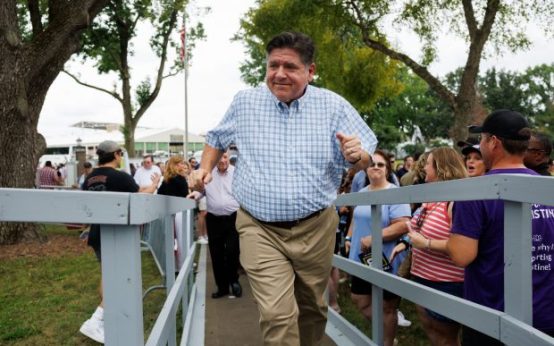 Gov. JB Pritzker’s Weight Loss Journey Relates to GLP-1 Drug
  Trump’s White House Media Ban Leads to Speech Challenges
 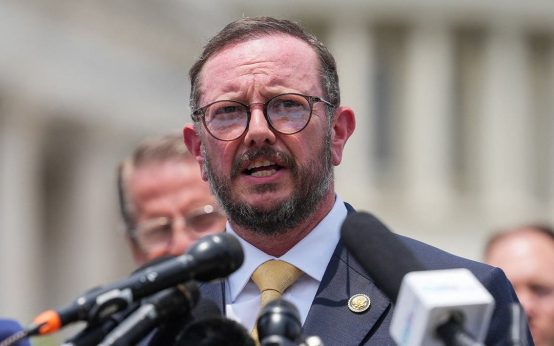 Missouri Rep. Eric Burlison Criticizes Washington’s Spending Habits
 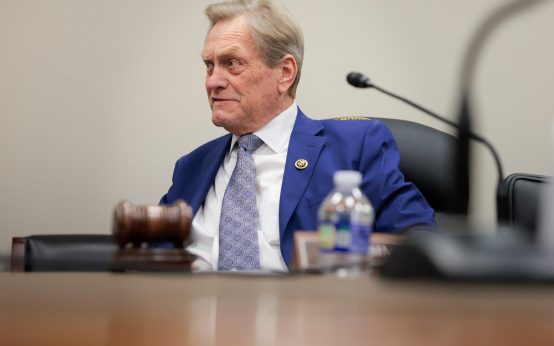 Republican Lawmaker Opposes Funding for Trump’s Arch Near Arlington
 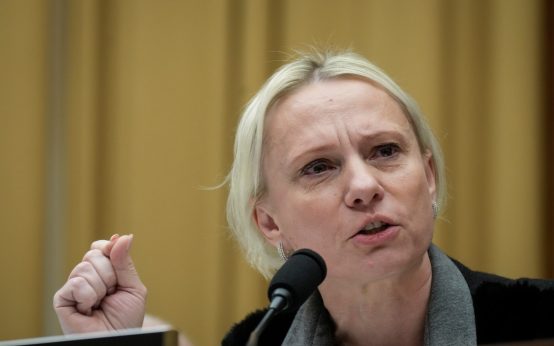 House Bill Aims to Enhance Benefits for Combat-Injured Veterans
 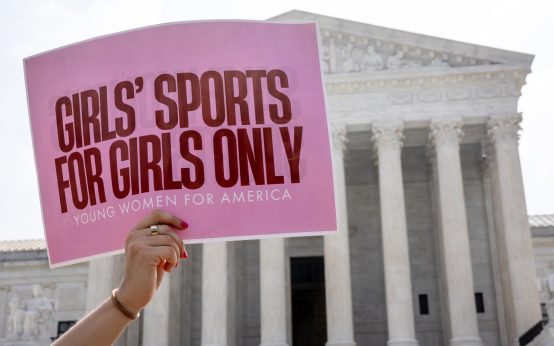 Debate Over Transgender Athletes Shapes Political Strategies