Pollution Experiments in Ontario’s Boreal Forest
In western Ontario’s boreal forest, scientists conduct bold experiments by dumping pollution into secluded lakes. Since the late 1960s, Canadian researchers have divided lakes and treated them with fertilizers to study effects. These studies led to bans on phosphorus detergents responsible for algae blooms in the Great Lakes. Further research documented mercury contamination from coal plants, acid rain from fossil fuel emissions, and the spread of thick crude oil known as bitumen.
Microplastics Research: Lake 378
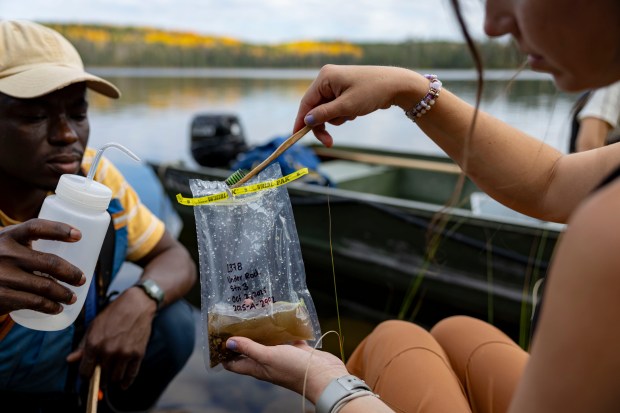
Currently, a team led by University of Toronto’s Chelsea Rochman is examining microplastics at Lake 378. Over three years, they have introduced bright microplastics into the lake, simulating urban storm runoff. Observations reveal plastics sinking to the 62-acre lake’s bottom and washing ashore. Graduate students dissect fish and discover ingested plastic bits have moved from stomachs to filets. Rochman’s team collects microplastics from plants, rocks, water samples, and sticky traps around the lake.
This research at the Experimental Lakes Area aims to prompt action by US and Canadian leaders against the threat of unchecked microplastics pollution in the Great Lakes, which provide drinking water to 40 million people. Rochman stated that the Great Lakes contain some of the world’s highest microplastics concentrations and such research helps refine monitoring and policy efforts.
Freshwater vs. Saltwater Plastic Pollution
Rochman and colleagues shifted focus to freshwater pollution in the early 2010s, aiming to tackle issues less visibly than oceanic garbage patches. Microplastics taint every corner of the Great Lakes, with Lake Michigan and Lake Erie showing highest levels. The Great Waste in the Great Lakes series explores unseen threats to those depending on this vital freshwater source.
Microplastics and Their Sources
An estimated 22 million pounds of plastic pollute the Great Lakes yearly. Microplastics form from discarded items such as bottles, packaging, and fast-food containers breaking down. Synthetic clothing laundry sheds microfibers, storm runoff carries worn tire particles, and plastic pellets called nurdles contribute significantly. One laundry load can release 700,000 microfibers into sewers, with sewage treatments filtering up to 99% but still leaving billions to escape.
The watershed’s 40 million residents doing laundry biweekly could generate 7.3 trillion microfibers annually, highlighting the severe pollution issue.
Impacts on the Environment and Regulations
Andrea Densham from the Chicago-based Alliance for the Great Lakes emphasizes pollution threats, encompassing petroleum plastics that degrade but never disappear. Even remote Great Lakes areas face plastic pollution threats. Seth Moore of the Grand Portage Band of Lake Superior Chippewa raises concerns regarding invisible threats such as forever chemicals, pharmaceutical residues, and growing microplastics.
National Park Service studies revealed astounding microplastic levels on Lake Superior beaches, including Apostle Islands National Lakeshore ranked highest.
Though unregulated in the US and Canada, microplastics gained attention when the Trump administration considered measuring them for enforceable limits, later retracting the initiative. Options include designating microplastics as chemicals of concern under a Great Lakes treaty, ensuring systematic monitoring.
State Actions and Global Efforts
Some states have commenced regulations. Illinois mandates reporting spills of industrial plastic pellets, while Michigan tests tributaries for microplastics. Minnesota urges shifting from plastic packaging and managing waste through extended producer responsibility.
Globally, movements are growing toward a UN treaty to reduce plastic usage and production. Research suggests plastic damages cost $1.5 trillion yearly, emphasizing cost impacts for policymakers.
Pollution Origins: Chemical Valley
Sarnia, Ontario, facing Detroit, exemplifies intense pollution amid petrochemical operations. Sarnia’s Chemical Valley mirrors America’s Cancer Alley with refinery dominates. Studies show alarming benzene levels outside Aamjiwnaang First Nation headquarters in Sarnia, prompting tribal lawsuits against companies.
Drifting nurdles reach Sarnia beach from local industry waste and are significant plastic pollution sources.
The research continues as teams explore microplastics in deeper Great Lakes regions, aiming to enhance understanding and address plastic threats efficiently.
 Understanding the Perils of Ectopic Pregnancy
  Hurricane Developments: Simon’s Intensification and Isaias’ Threat
  Concerns Over Medicaid Cuts for Autism Therapy in Georgia
  Trump Administration Moves to Expedite Arctic Oil Exploration
  Addressing Poverty in Medical Practice
  The Urgent Risks of Ectopic Pregnancy