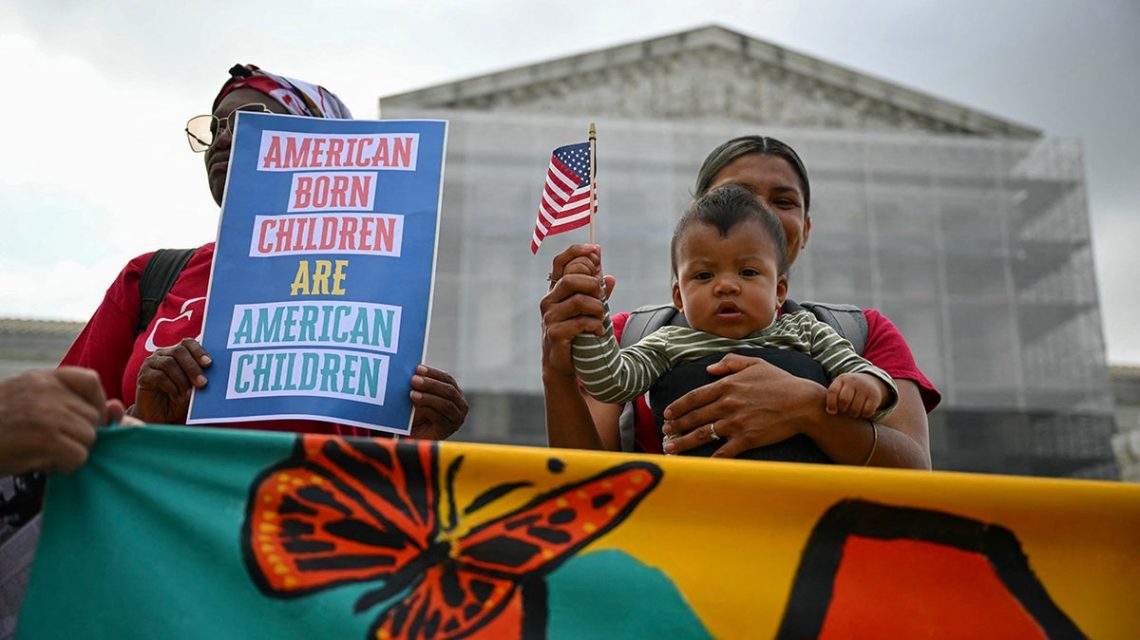
Trump’s New Executive Orders on Citizenship
Conservative legal experts argue that President Donald Trump’s recent efforts to limit birthright citizenship and address birth tourism have a stronger legal base than his previous attempts. Following a Supreme Court ruling in June that upheld citizenship for children born on U.S. soil to unlawfully or temporarily present parents, Trump issued two narrower executive orders.
The first order, signed on August 6, instructs federal agencies to withhold citizenship documents from certain children. This applies to cases where neither parent is a U.S. citizen, including those connected to foreign terrorist organizations or foreign governments, engaging in fraudulent acts to gain citizenship.
Legal Experts Weigh In
Experts from organizations like the Manhattan Institute and America First Legal suggest Trump’s new order is aligned with longstanding exceptions to birthright citizenship.
“Exceptions to the 14th Amendment’s birthright citizenship clause for children of invading armies or those under allegiance to foreign governments have long been recognized.” – Chad Mizelle, America First Policy Institute
The Supreme Court case, United States v. Wong Kim Ark, identified exceptions for the children of foreign diplomats and alien enemies during hostile occupations. Trump’s order leverages this to argue that members of foreign terrorist groups fall into the enemy exception category.
Concerns and Challenges
David Bier from the Cato Institute argues that redefining an alien enemy without congressional approval could legally challenge the executive branch’s authority.
“The definition of who is subject to U.S. jurisdiction is set by Congress, not the executive.” – David Bier, Cato Institute
Amanda Frost from the University of Virginia points out that only children of occupying enemy forces are barred from birthright citizenship under historic precedent, suggesting terrorists merely residing in the U.S. do not qualify.
Legal Standing and Ongoing Resistance
The question of legal standing to challenge Trump’s order remains, as challengers must show direct harm. Gene Hamilton of America First Legal questions who might step forward to challenge the order, suggesting interesting legal battles might ensue.
Currently, the order faces legal resistance, with previous challengers arguing it unlawfully creates exceptions conflicting with the Supreme Court’s decisions. It is slated for a hearing and potential injunction.
Addressing Birth Tourism
The second executive order, issued simultaneously, focuses on birth tourism. It directs government agencies to deny entry or pursue removal of individuals intending to enter the U.S. to give birth for citizenship purposes.
Gene Hamilton notes strong legal grounds for this order, citing the U.S.’s sovereign right to control visa allocation.
“There is no constitutional right to a visa, and the U.S. can determine who receives one.” – Gene Hamilton, America First Legal
Critics argue that existing rules since 2020 already allow denial of visas intended for birth tourism.
Should these efforts falter, advocates may seek legislative or constitutional avenues to modify birthright citizenship laws.
While Trump’s administration stands by the solid legal base of these orders, questions about their broader implications and legality remain subject to judicial scrutiny.
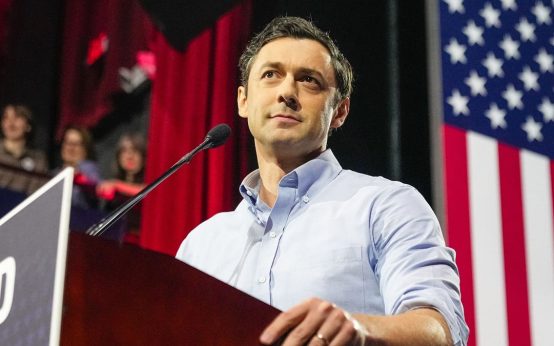 Sen. Jon Ossoff Addresses 2028 Presidential Bid Speculation
 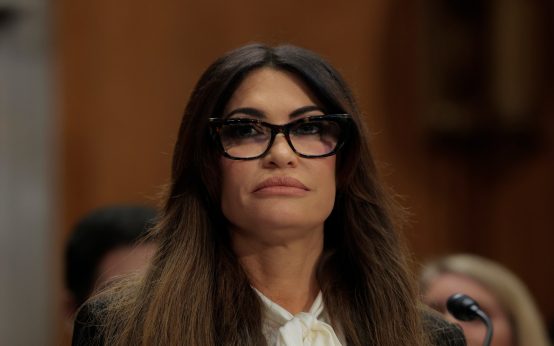 Cancellation and Allegations: The Eric Deters and Kimberly Guilfoyle Saga
 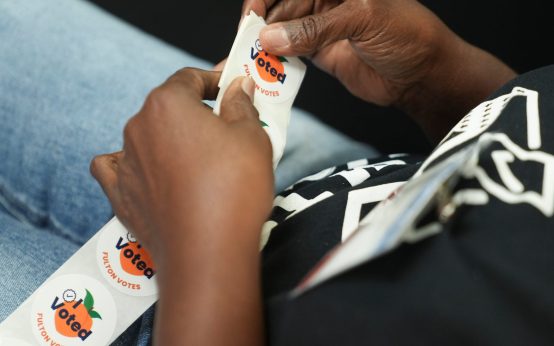 Record Early Voting in Georgia Midterms Amid Political Campaigns
 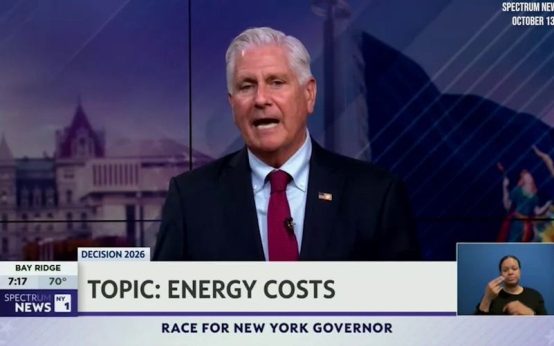 New York Governor Debate: Blakeman and Hochul Clash Over Issues
  The Impact of Senate Control on Presidential Terms
  The Battle for Disenchanted Voters in 2026 Midterms