Microsoft Stands Against H-1B Visa Restrictions
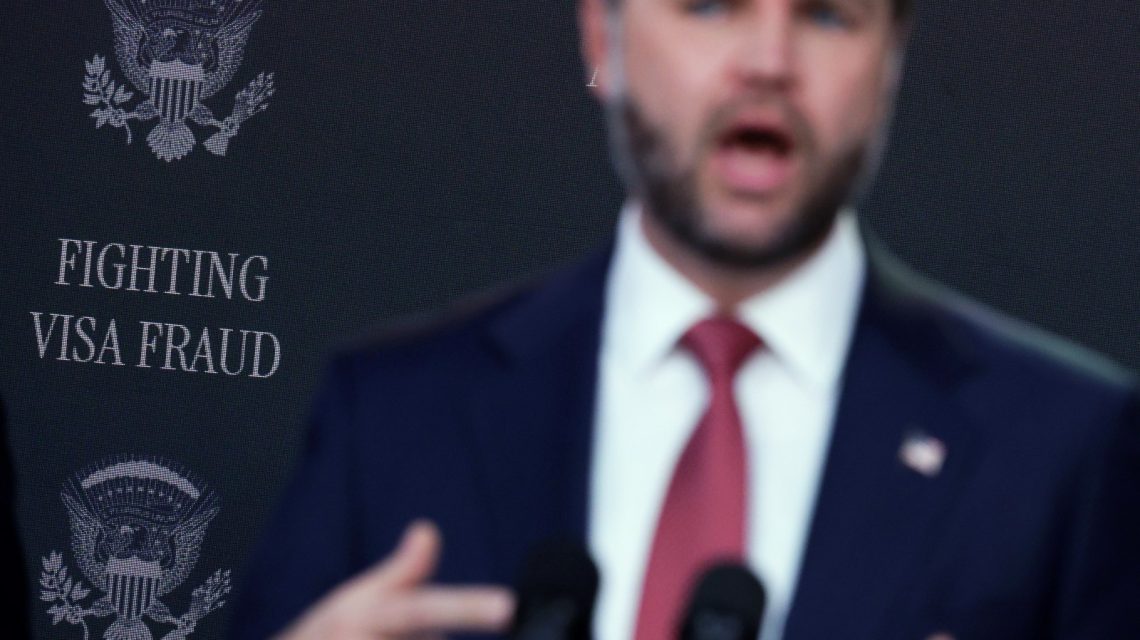
The Trump administration’s recent decision to limit Microsoft’s access to green cards for its H-1B visa holders was criticized by Brad Smith, the company’s president. During a conversation with Politico, Smith countered allegations made by Vice President JD Vance, who accused Microsoft of widespread fraud regarding the PERM (program electronic review management) process. Smith highlighted inaccuracies in Vance’s statement, emphasizing that most visa and green card applications were for existing employees, not new hires.
Smith explained that many applicants for green cards had a long history with Microsoft, but the backlog at U.S. Citizenship and Immigration Services (USCIS) caused delays. Microsoft had no additional comments when questioned by Newsweek, which also reached out to the White House.
Understanding the PERM Suspension
The October 8 press conference, led by Vance and other high-ranking officials such as Labor Secretary Keith Sonderling and Attorney General Todd Blanche, announced restrictions on multiple tech companies from applying for permanent residency for their H-1B workers. The administration’s focus on Microsoft stemmed from concerns about its PERM program usage.
Vance’s claims included data showing Microsoft laid off 6,000 American workers while benefiting from thousands of H-1B visas and green cards. He suggested a replacement of American workers with foreign individuals. Investigations involved Microsoft, Adobe, and other IT companies such as Cognizant, Infosys, and Tata.
The immediate impact of these actions might prompt more companies to invest outside the U.S., potentially harming U.S. workers, noted Stuart Anderson, executive director of the National Foundation for American Policy.
Speakers at the press conference did not acknowledge the large percentage of international students in AI-related fields within U.S. universities or the significant contribution of immigrant founders to U.S. startup companies.
Microsoft’s Position
Smith reiterated Microsoft’s commitment to hiring American workers, mentioning that last year the company hired 9,200 Americans, an aspect omitted from public narratives. He expressed concern about how the visa ban might affect the U.S.’s ability to attract top talent.
On the same day as Vance’s announcement, President Trump honored Microsoft CEO Satya Nadella, a former H-1B visa holder, highlighting the contributions of immigrants to U.S. technology and industry.
The H-1B Visa Debate
The H-1B visa has been central to the Trump administration’s legal immigration efforts. Intended for highly skilled workers, it has faced scrutiny, with critics arguing it displaces American workers and offers cheaper labor.
Converting an H-1B status to a green card involves ensuring no American is qualified for the related job, a process seen as having loopholes.
Changes proposed by the administration include a high application fee and restrictions at the visa’s end, potentially forcing the departure of some workers from the U.S. if they lose their jobs.
Proponents argue the H-1B visa enhances U.S. innovation and economic growth. Anderson remarked that the annual influx of H-1B holders comprises a small fraction of the U.S. labor force, and the number of U.S.-born workers in STEM jobs has significantly increased.
Smith confirmed that H-1B holders receive competitive compensation compared to their U.S.-born peers. Trump’s past support for the H-1B indicates an interest in maintaining a flow of skilled talent to aid American progress.
 Senator’s Infrastructure Proposal Sparks Debate on Energy Costs
  Protect Your Finances from Cyber Threats
  U.S. Army Prepares for New Challenges Amid Emerging Threats
  Congressional Investments in AI Amid Regulatory Inaction
 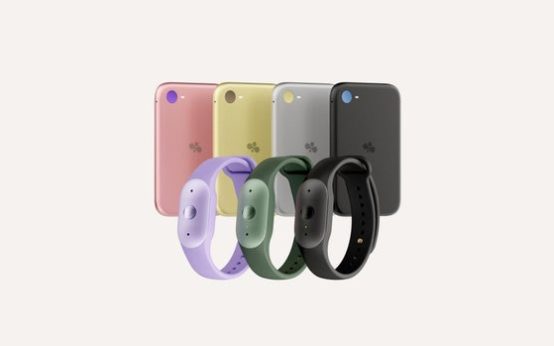 Amazon Unveils New AI Gadgets: Bee Frontier and Bee Eclipse
  Confusion Surrounds Starlink Restrictions in Ukraine