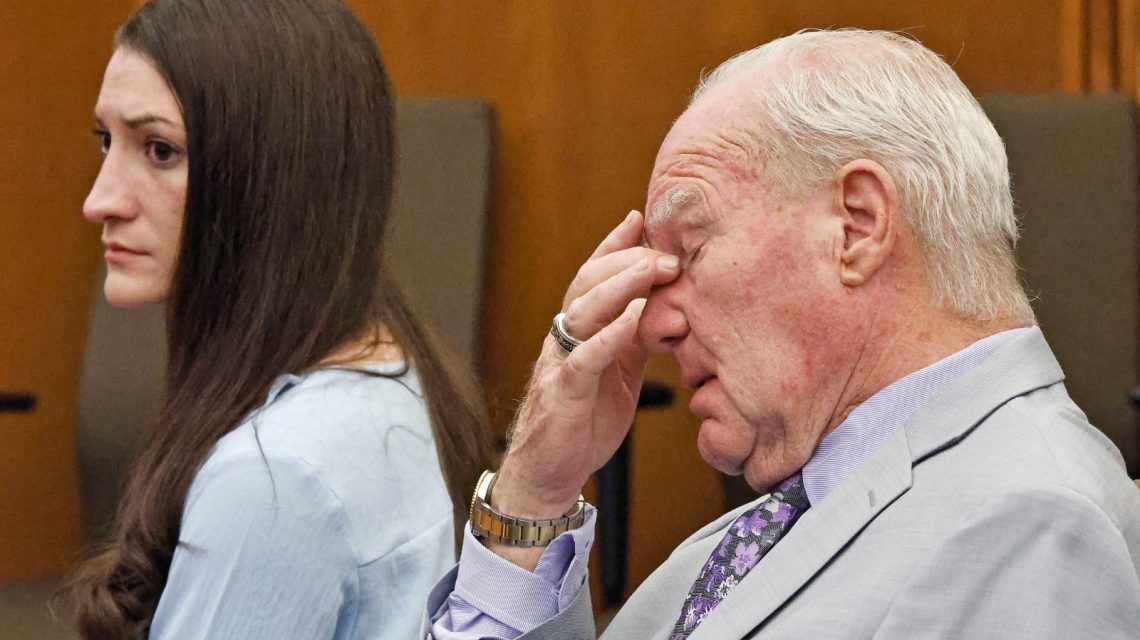
The trial of Lindsay Clancy is on the brink of a mistrial after the jury informed the judge for a second time that they remain deadlocked, unable to reach a unanimous decision. Gary Galperin, a former Manhattan prosecutor and current adjunct professor at Cardozo School of Law, explained to Newsweek that this ongoing deadlock suggests the case is nearing an impasse, although a unanimous verdict remains a possibility.
Rither Alabre, previously a prosecutor and now a partner at Blank Rome’s White Collar Defense & Investigations Group, noted that the judge has issued Tuey-Rodriguez instructions to encourage continued jury deliberation without coercing a verdict. Alabre added that the court is unlikely to repeat these instructions more than twice.
Following jury deliberations that began on August 27, after a lengthy trial with numerous witnesses and hundreds of exhibits, jurors initially reported their deadlock to Judge William Sullivan. Despite this, Sullivan instructed them to persist in their discussions. When the jury again confessed their inability to agree, Sullivan reiterated his request for further deliberation.
Why The Jury May Be Deadlocked
The trial focuses on a crucial issue of criminal responsibility: determining whether Lindsay Clancy, who has admitted to strangling her three children, realized the wrongfulness of her actions or was severely impaired by mental illness, justifying her lack of criminal responsibility. Clancy is charged with killing her children—Cora, Dawson, and Callan— in January 2023. Her defense does not dispute her involvement but claims she suffered from postpartum psychosis and severe psychiatric conditions, disconnecting her from reality.
Prosecutors have presented a contrasting view, arguing that despite Clancy being depressed and mentally unwell, she understood her actions. They reference evidence indicating premeditation and awareness, such as her instructions to her husband, Patrick Clancy, to leave the house before the incident. The state’s case relied heavily on phone records, the 911 call, and behavior evidence preceding the killings.
In contrast, the defense emphasized Clancy’s declining mental health with extensive psychiatric records, offering evidence of her deteriorating condition in months leading to the tragedy.
For Galperin, such compelling yet conflicting evidence underlines why this case poses an extraordinary challenge for jurors. He remarked that unlike many psychiatric defenses seen during his career, this one shows documented postpartum depression suffering.
A Jury Does Not Have to Be Split 6-6
The jury’s repeated deadlock does not disclose how many support either outcome. Galperin mentioned that a single holdout can lead to a hung jury. While jurors could be split evenly, other combinations like 11-1 or 10-2 could occur.
Galperin noted that if jurors inform the judge of an irreconcilable deadlock after exhausting state law remedies, a mistrial is inevitable. Despite this, a resolution isn’t foregone; breakthrough moments in seemingly hopeless jury rooms are common.
What Happens After a Mistrial?
If the jury fails to reach consensus, prosecution typically retries such cases before new jurors. Alabre anticipates Clancy’s case landing back in court should a mistrial transpire. A second trial could provide prosecutors a chance to reassess their tactics and potentially strengthen their presentation, enhancing conviction chances. Conversely, the defense might adapt similarly, learning from the first trial’s insights.
Past cases, like Karen Read’s, illustrate possible reversals during retrials. Galperin estimated that the logistics of preparing a retrial mean it could commence within weeks or months, depending on multiple factors.
The Psychiatric Experts Could Be Decisive
This trial heavily featured opposing expert testimonies regarding Clancy’s mental health, with jurors relying on these experts for clarity on postpartum psychosis’s impact. Alabre emphasized that expert credibility critically influences juror perception.
Factors like expert credentials, methodology, and demeanor play crucial roles. Alabre highlighted likability’s significance, as jurors are swayed by such impressions alongside conflict engagements during cross-examination.
The Central Question: Psychosis Versus Criminal Responsibility
Jurors must reconcile Clancy’s postpartum depression and psychosis with her criminal accountability. The jury could believe Clancy suffered from psychosis yet remain divided on whether she meets the criteria for criminal non-responsibility.
Galperin pointed to prosecution claims of elaborate planning, like orchestrating her husband’s absence, as evidence against Clancy’s state of unawareness. Meanwhile, the defense argues for context concerning an acute psychiatric episode.
Why the Jury’s Task is so Difficult
Galperin and Alabre acknowledged the intricacies of this high-profile case, highlighting the inherent difficulty for jurors. Alabre underscored the emotional complexity, reminding that Clancy’s condition and post-event suicide attempt are factors that jurors won’t overlook.
Different juror standpoints might stem from varying conclusions regarding Clancy’s mental state, her awareness level, and her understanding of wrongfulness.
The Possibility of a Breakthrough
Galperin suggested that revisiting trial testimony could catalyze resolution within the jury. Nevertheless, he warned against presuming the length of deliberations decisively favors one outcome over another.
As things stand, the continued deadlock hints towards a mistrial but does not preclude the possibility of a last-minute consensus emerging.
A Verdict of No Criminal Responsibility Would Not Simply Mean Freedom
A non-responsibility verdict based on mental illness doesn’t guarantee Clancy’s release. Such findings lead to further assessments of her current mental risk to herself and others.
Galperin concluded by noting the absence of relief in either potential outcome for this case, foreseeing no scenario where Lindsay Clancy quickly rejoins the community. After two declarations of deadlock, there’s heightened interest in whether the jury will achieve unanimity or conclude without a definitive verdict.
 Virginia Couple Arrested After Daughter Found Dead in South Carolina Waters
  Supreme Court Might Consider New Jersey’s Prediction Markets Case
 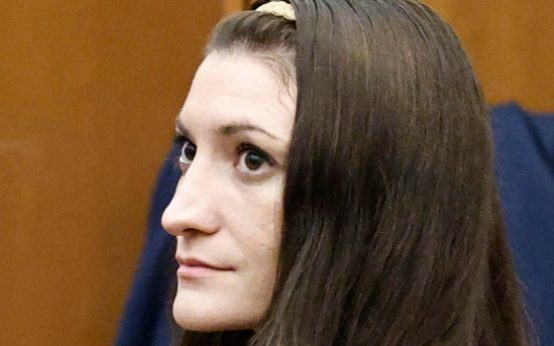 Jury Deliberates Lindsay Clancy Murder Trial
  Deaths Among Immigrant Detainees Spark Concerns
  Legal Challenges in High-Profile Cases: Kohberger and Shirilla
 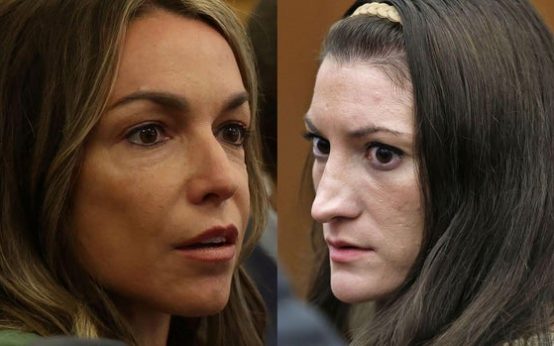 Understanding Deadlocked Juries and the Tuey-Rodriguez Instruction in Massachusetts Trials