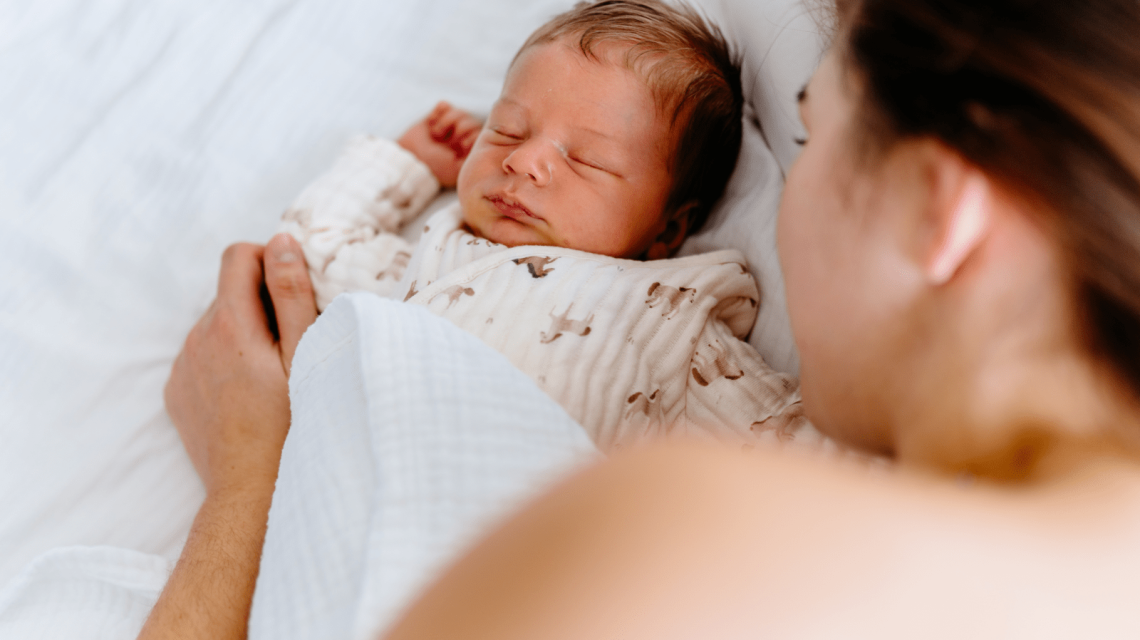
Chantal Wijbrandi, a mother from the Netherlands, shared her ’11 rules’ of postpartum care following the birth of her second child. These practices, while appearing unconventional in modern Western culture, draw on traditional postpartum principles designed to support recovery and well-being.
Wijbrandi’s approach included:
- Staying mostly in bed for two weeks
- Avoiding leaving the house for 40 days
- Eating warm, cooked foods exclusively
- Receiving regular massages
- Seeking support from family and friends
Additional practices involved belly binding, herbal sitz baths, and focusing on rest, nourishment, and community support.
After facing difficulty during her first postpartum experience, including feelings of isolation, Wijbrandi began researching different postpartum practices globally. She trained as a Holistic Postpartum Practitioner, discovering similarities in various cultural traditions, such as China’s ‘sitting the month,’ Latin America’s la cuarentena, South Africa’s Zulu umsamo, and Europe’s historical ‘lying-in’ period.
Her initial postpartum period was defined by a traumatic birth and lack of support, compounded by the belief that independence meant she was a good mom. This led to loneliness, postpartum rage, and resentment as she struggled to adjust to motherhood without support.
Determined to change her approach, Wijbrandi prepared for her second postpartum experience with intentionality, aiming for peace and connection. She recognized the difference between traditional and modern postpartum care—traditional approaches prioritize the mother’s well-being, while modern Western culture often focuses on the baby.
Chantal highlighted three practices with significant impact: rest, nourishment, and community. Slow recovery over the first 40 days contributed to her physical healing. She learned to clearly communicate her needs to family and friends, valuing companionship over material gifts.
“Taking it slow the first 40 days was incredible for my physical healing. I really learned to reach out and be super specific about what I needed from my family and friends. I said no toys, just bring us food, keep me company and invest in my postpartum fund. I felt so held and supported,” said Wijbrandi.
She encourages other mothers to reconsider why asking for support post-pregnancy might feel challenging. Her advice emphasizes demanding necessary care, as it is fundamental to postpartum recovery and well-being.
 Beach Dispute Turns Tragic
  Upcoming Concerns and Influence in Health Politics
  Rising Beef Prices Impact Texas BBQ Shop
  Exploring Your Spiritual Journey: Questions and Insights
  Fraud Task Force Saves Billions by Tackling Obamacare Misuse
  Summer’s Not-So-Great Hits and Other Observations