In my early twenties, I was exploring my future options, particularly the prospect of joining the military. By the age of 23, I felt ready to embark on this new path. In 2010, as part of the enlistment process, I underwent various medical tests, including a Pap smear, blood tests, urine samples, and an ECG.
During this testing phase, a doctor introduced me to a new HIV test, which involved a simple mouth swab. Given its non-invasiveness, I saw no issue in taking the test. The swab was quicker than previous testing methods, producing results in mere minutes. My casual approach swiftly faded when the doctor returned, visibly shaken, and revealed the results: I was HIV positive.
The doctor had never encountered a positive HIV test before, which made the situation uncertain. Questions flooded my mind, along with the possibility of a false positive. Blood samples were taken for further confirmation, with results pending for a week—a week fraught with anxiety and uncertainty.
Would my future be altered? Would perceptions of me change if I had HIV?
On December 8, 2010, the confirmation came. The mouth swab was correct; I was HIV positive. The news devastated me. I feared the loss of relationships and identity with the diagnosis.
The HIV specialist suggested my infection was approximately one to one and a half years old at the time of testing. My CD4 count remained in the normal range, and my viral load was low at slightly over 1,000.
‘It Was Extremely Difficult to Accept’
Upon receiving the news, I sought solace with my brother. His house provided refuge. The moment I entered, I collapsed into his embrace, overwhelmed by emotion. His unconditional support became my anchor, reinforcing that I was still the same in his eyes. His perspective helped me begin my journey of acceptance.
Accepting the diagnosis proved challenging, requiring years of reflection and adjustment. It was not until 2019 that I genuinely started to come to terms with my reality. A poor relationship’s end prompted personal commitments to wellness, like daily physical activity and self-affirmation.
My daily routine now includes a healthy diet, exercises for flexibility and strength, vitamins, and essential HIV medication—antiretroviral therapy. This medication plays a critical role in suppressing the virus, ensuring immune health, and preventing transmission.
HIV is often misunderstood as life-ending, yet treatment allows individuals to reach undetectable viral levels, making transmission impossible. With proper care, HIV-positive individuals can lead fulfilling lives, pursue dreams, and build families.
‘Life Does Not End Because of an HIV Diagnosis’
Life’s challenges reveal personal strength and resilience. Accepting oneself and fostering supportive relationships is vital. Today, I embrace life as an opportunity for joy. Conversations with my 14-year-old son began at age 12, aiding understanding. My 3-year-old daughter will receive similar talks when appropriate.
Despite facing stigma and misinformation, resilience guides me. Public misconceptions persist, reminiscent of outdated 1980s views. Yet, life adapts after an HIV diagnosis, allowing growth and exploration.
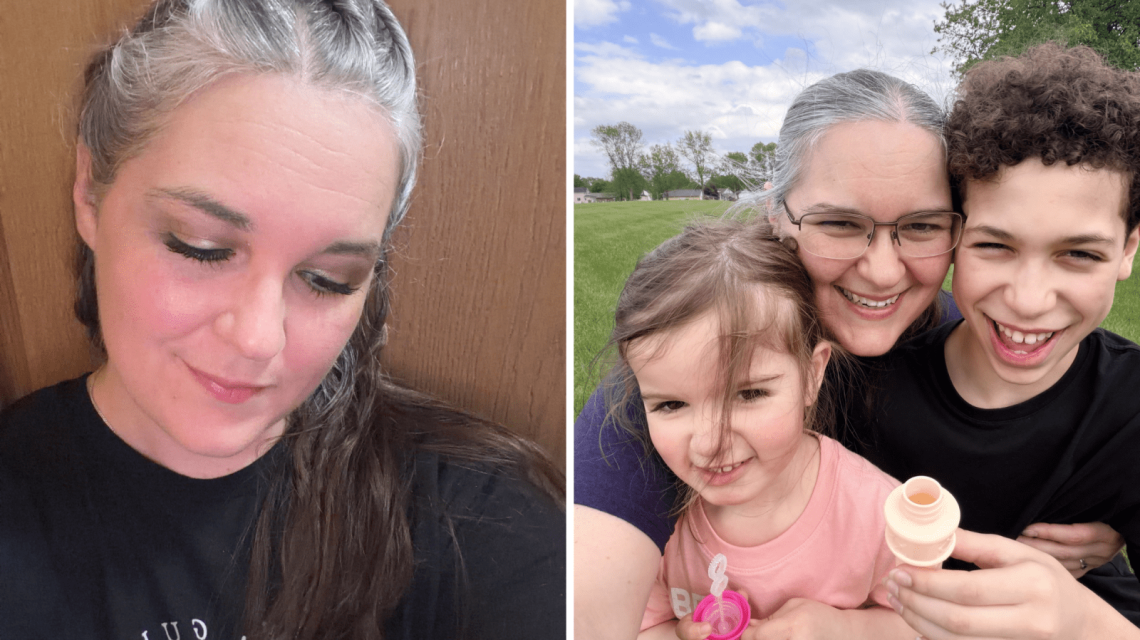
Jacklyn Nusbaum, now 39, resides in Minnesota with her two children. Through TikTok (@rising.scorpio1), she advocates for awareness and educates on living with HIV, striving to eliminate misconceptions.
 Legal Challenges Arise Over GLP-1 Receptor Agonists and Vision Loss Risks
  States Move to Restrict Tianeptine Amid Growing Concerns
  Steve Lotysz: From Medinah’s Gates to Presidents Cup Artistry
  Potential Changes in Medicare Reimbursement for Lab Tests
  A Family’s Journey Through Cancer and Loss
  Understanding and Addressing the Complexity of Suicide