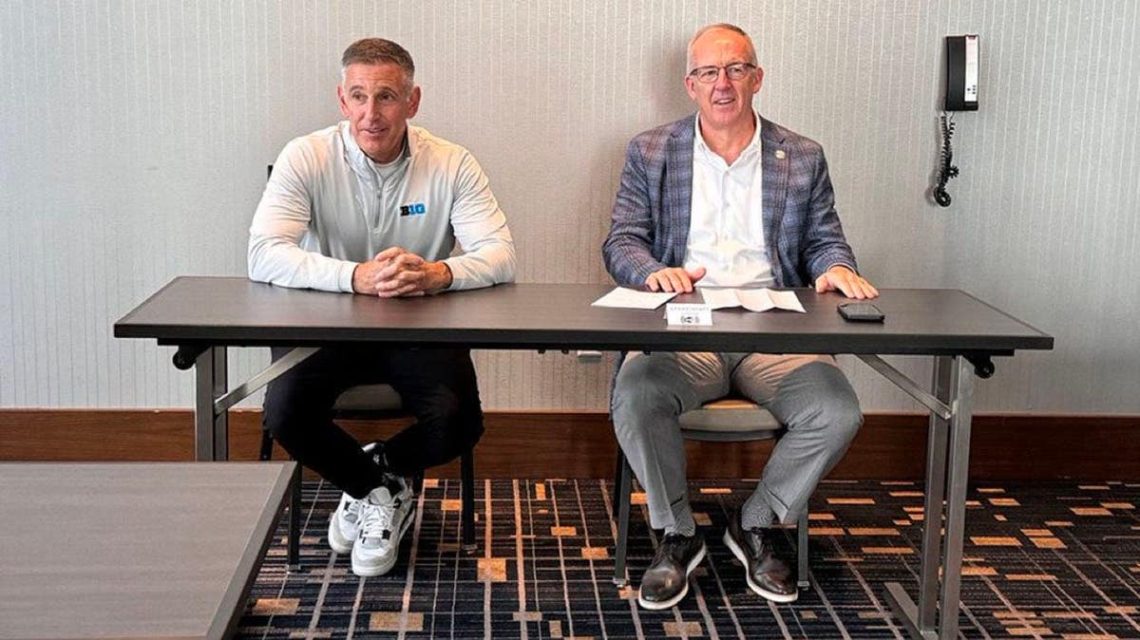
The SEC and Big Ten have introduced new guidelines affecting college athlete eligibility, shaking the collegiate sports community. These guidelines prevent athletes who have participated in professional sports from joining college teams. The ACC and Big 12 are expected to follow suit.
These changes come after several injunctions and temporary restraining orders allowed some athletes to play despite NCAA guidelines. According to the NCAA, athletes have five years to participate in five seasons of college sports.
Conference Rules for Professional Athletes
As per the new rules, athletes who have signed with professional teams, declared for the NFL Draft, or attended professional training camps cannot compete in these conferences. The SEC and Big Ten have taken a strong stance on this, with SEC presidents and chancellors voting on how to handle cases involving athletes with professional experience.
Additionally, the SEC has empowered Commissioner Greg Sankey to enforce the new rules. This includes potential suspensions and fines for violating schools. Big Ten Commissioner Tony Petitti also emphasized the need for adherence to these regulations.
Legal Challenges and Court Orders
Ryan Downton, an attorney representing affected athletes, stated they are developing a legal strategy against the NCAA and participating conferences. “The SEC’s actions put the NCAA in contempt of multiple court orders,” he remarked. Downton criticized the NCAA for creating new rules in response to court injunctions.
Despite the unanimous vote within the SEC, legal actions are anticipated. LSU coach Lane Kiffin has been vocal, arguing that recruiting players with professional experience is necessary to remain competitive.
Recent Court Decisions
Recently, LSU recruited former Ole Miss players Dae’Quan Wright and Zxavian Harris due to a Louisiana court ruling granting additional eligibility. Wright caught a touchdown pass in an Ole Miss game against Miami, showcasing the talent such athletes bring to college teams. Similarly, Texas lineman Cole Hutson won his case in Texas, securing another season.
Attorney Darren Heitner, representing Wright, urged the SEC to respect the court’s decision. He believes complying with court orders takes precedence over conference rules. The challenge remains for schools like LSU to decide whether to adhere to legal rulings or conference guidelines.
The issue of eligibility is bringing colleges and legal teams into conflict, with broader implications for college athletics’ regulatory landscape.
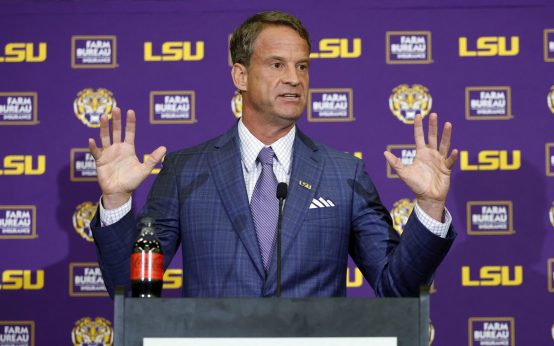 Lane Kiffin Faces Challenges With SEC Rules
  Premier League Season Ticket Trends and Costs
  Chicago White Sox Triumph Over Texas Rangers
  Chicago White Sox Triumph in Thrilling Match Against Texas Rangers
 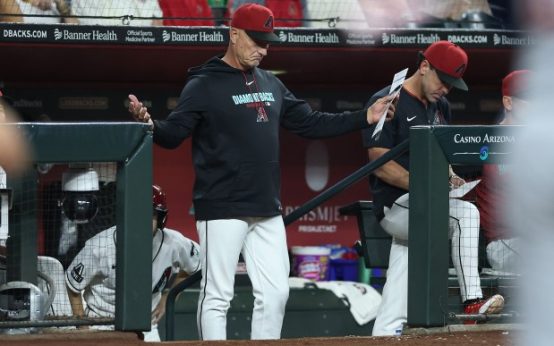 Cubs-Diamondbacks Clash Over Pitch Tipping Resolved
 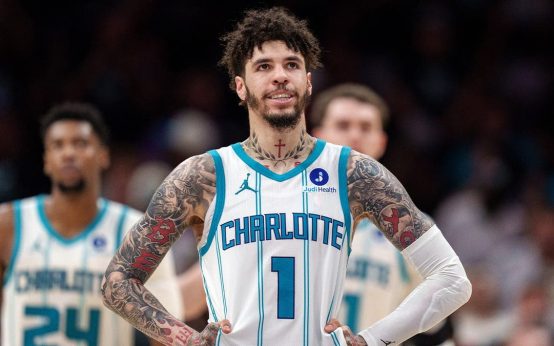 LaMelo Ball’s Transition to Minnesota: Car Collection, Personal Driver, and Family Insights