
Before air conditioning spread across the United States and as temperatures began to rise, people in the Southwest experienced intense heat. Dry heat and minimal relief became daily challenges, requiring creative solutions. Some individuals slept outdoors under damp sheets. Others adjusted their schedules to avoid outdoor work during peak daylight hours.
A significant development in beating the heat emerged through the invention of the swamp cooler. The principles of basic cooling have origins in ancient civilizations. In those times, air was fanned by hand over water contained in clay pots or jars. By the early 20th century, these methods were refined in the United States, leading to the creation of the evaporative cooler, or swamp cooler.
Oscar Palmer perfected the first American system harnessing evaporative cooling principles in 1908 in Arizona. Its simplicity involved pulling fresh hot air through vertical porous pads that were saturated with water. As the water evaporated, it cooled and humidified the air, which was then directed indoors.

By the 1930s, these devices had transformed large areas of the country, particularly cooling regions in southwestern states like New Mexico and Nevada. Even today, when air conditioning is common, swamp coolers contribute to the livability of desert-like states.
Eric Verpolegen, founder of CoolVeg, highlights that these coolers are especially effective in dry climates like Arizona, offering a significant cooling effect. Traditional air conditioning units became standard in the U.S. by the 1950s, making evaporative coolers a low-cost, low-energy alternative where climate conditions permit.
However, swamp coolers and fans are less effective in humid regions, as saturated air limits evaporative cooling effectiveness. According to Ankit Kalanki of RMI, innovation is focusing on hybrid solutions that combine evaporative cooling with humidity management for optimal results.
Evaporative coolers continue to serve Americans and others worldwide who lack alternative cooling options. Verpolegen remarks on the growing demand for cooling as temperatures rise, highlighting the environmental impact due to increased energy use and greenhouse gas emissions. This scenario underscores the relevance of Palmer’s cooler technology and its modern adaptations.
Part of a series titled “American Objects,” marking the 250th anniversary of the United States.
Alexa St. John, an Associated Press climate reporter, authored the article. Contact Alexa St. John
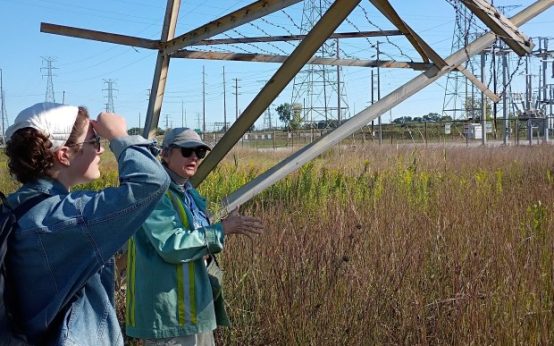 Monarch Butterflies Flourish in Illinois’ Managed Right-of-Ways
 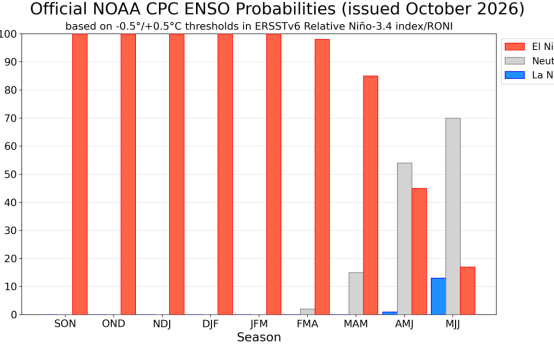 El Niño Strengthens to Historic Levels: What to Expect This Season
  Endangered Species Act and America’s Future Development
  Bokashi Fertilizer Provides Relief for Zambian Farmers Amidst Fertilizer Price Hikes
 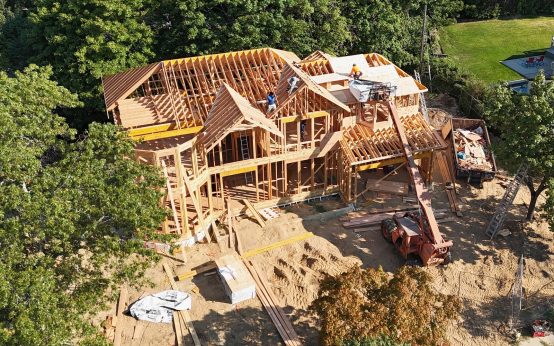 Architects Warn of Housing Challenges Amid Climate Change and AI Concerns
  How Little Brown Bat Genes Are Outsmarting a Fungal Killer