Several NFL players have received the opportunity to return to college football for the upcoming season. This development adds to concerns about the state of college football today.
On August 20, a total of 16 players from the class of 2022 got a temporary restraining order from the NCAA, granting them a fifth year of eligibility. Among these players are former Ole Miss tight end Dae’Quan Wright and former LSU defensive end Jack Pyburn, both involved in NFL training camps.
Despite participating in recent preseason action with NFL teams and the college football season starting on August 29, the order from Louisiana allows these players to enter the transfer portal. Wright seized this opportunity and entered the transfer portal. He also played for the Cleveland Browns in a recent game.
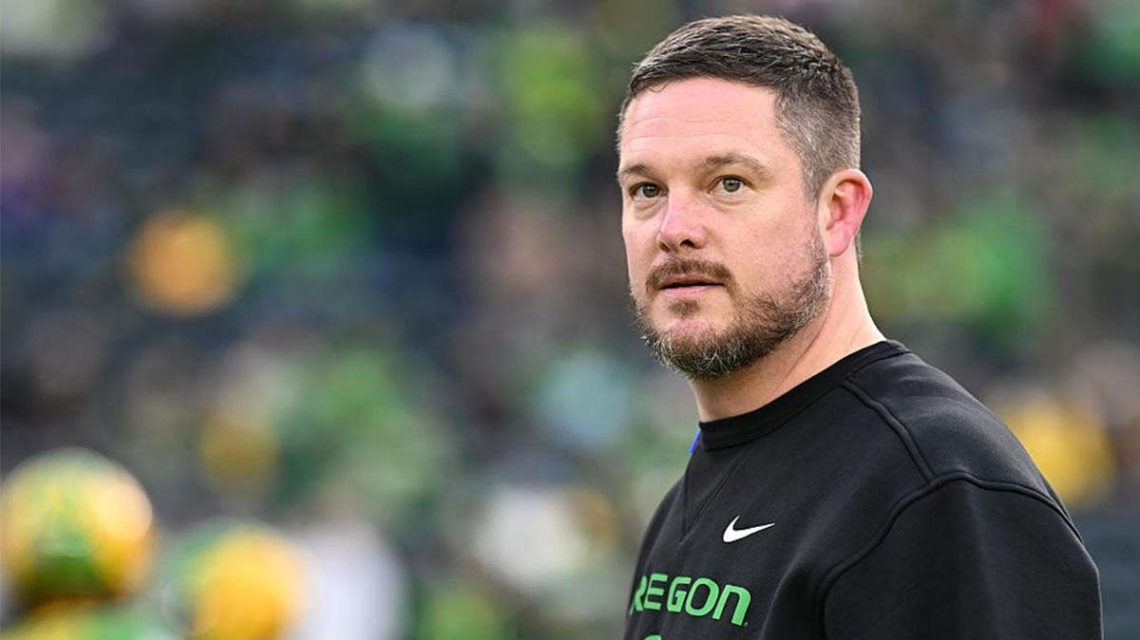
Oregon head coach Dan Lanning is among those who disapprove of this development. He emphasized the challenges it poses. “Once you go to the NFL, to me, you’re in the NFL. You don’t get the opportunity to come back,” Lanning said after a practice session.
“Most of us have built our rosters, and you have a limited roster limit. Inviting someone back means removing someone else to meet limits,” Lanning added. “I don’t think that’s fair to players who worked hard all summer and spring.”
Lanning’s remarks echo the sentiments of many college football fans and media members. The situation is significant because of its potential impact on recruitment and team dynamics.
The controversy stems from a recent lawsuit in Louisiana. This lawsuit challenged the NCAA’s age-based eligibility model, granting athletes five years for five seasons. This timeframe starts with either their 19th birthday or their enrollment date, whichever happens first.
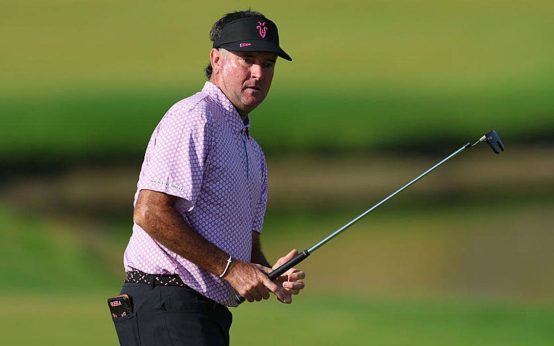 Bubba Watson Confronts Fan at LIV Golf Indianapolis Amid Circuit’s Uncertain Future
 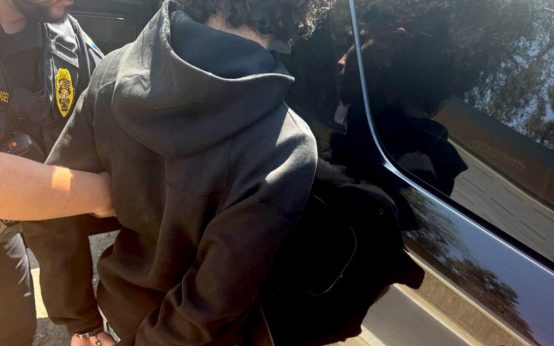 Tragic Shooting at Independence High School Football Game
 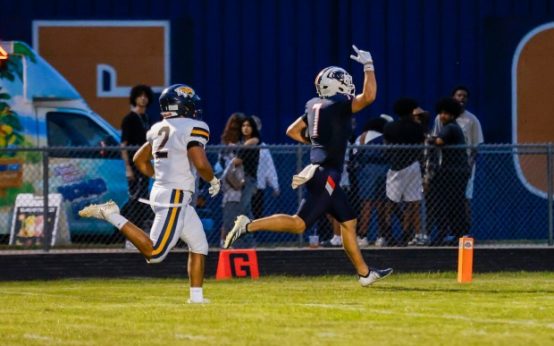 Ryan Wynn Emerges as Key Player for Oswego
 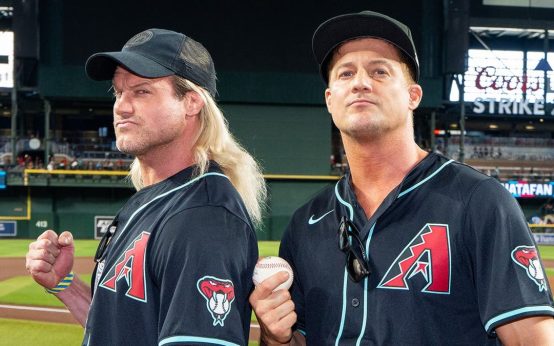 TNA Lockdown Returns with Thrilling Matches in Chicago
 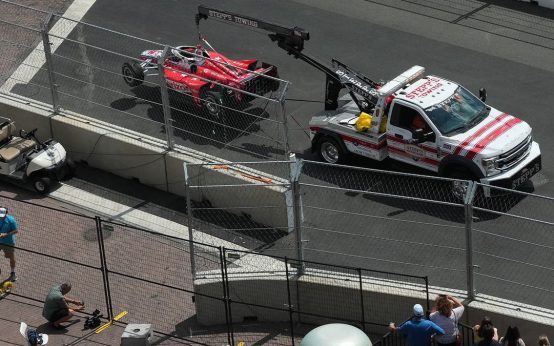 Freedom 250 Grand Prix Incident
  Indycar Grand Prix Debuts in Washington DC