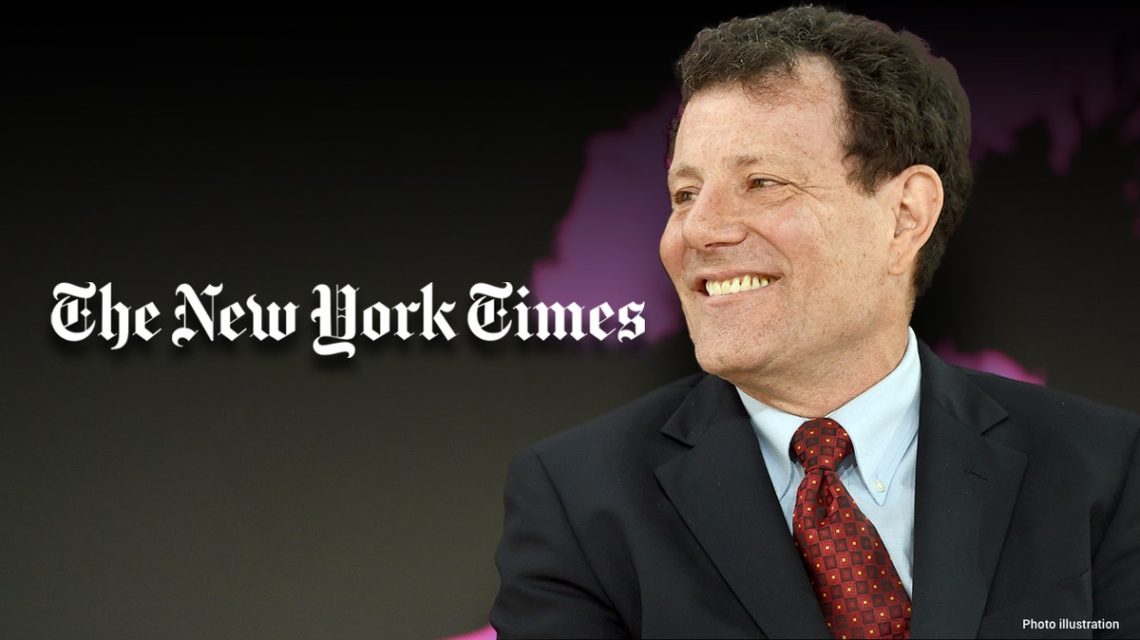
Nicholas Kristof, a columnist for The New York Times, has clarified that he has no intention of seeking elected office again. This comment follows criticism for not disclosing coverage of individuals who had previously donated to his 2021 gubernatorial campaign in Oregon and questions surrounding unused campaign funds.
Kristof, who left The Times in 2021 to run for governor as a Democrat, returned to journalism in 2022 after being declared ineligible due to a residency requirement in Oregon. The New York Times prohibits its journalists from engaging in political activities like fundraising or campaigning. Yet, Kristof had accumulated significant fundraising money during his brief political endeavor. An internal review by The Times followed a report by Semafor, which claimed Kristof did not disclose that some column subjects were campaign donors.
A spokesperson for The New York Times indicated that the internal review regarding Kristof’s disclosures is now complete.
The Times has now appended editor’s notes to nine of Kristof’s columns, citing his connections with campaign donors. Kristof himself has defended his actions, asserting that an independent ethics expert found his conduct ethical.
In 2022, Kristof shifted nearly $1 million from his campaign fund to a political action committee, Oregon Strong, managed by his wife, Sheryl WuDunn. He claimed the funds would support job training programs in Oregon, promising it would be nonpolitical. A significant amount remains unused, drawing attention from political observers.
Reports show that since the transfer, the main expenditures from Oregon Strong include a $100,000 donation to Vision to Learn in 2023 and a $2,000 contribution to A Progressive Voice for Oregon in 2024. The remainder, approximately $890,000, remains largely untouched. This has led to speculation about Kristof’s future political ambitions and raised concerns about his ongoing role at The Times.
Kristof distanced himself from Oregon Strong, stating he has not been involved with it since 2022. He criticized media inquiries as a “bad-faith effort to discredit investigative journalism.” Additionally, Kristof’s recent work, often contentious, includes an article alleging sexual abuse by Israeli forces, which has been called propaganda by critics.
The situation raises questions about journalistic ethics and independence. The Times enforces strict guidelines forbidding any political affiliations, contributions, or endorsements by its staff. These rules also extend to actions by family members that might imply conflicts of interest.
 Karoline Leavitt Offers Insights on Trump’s Calls With Putin and Xi
 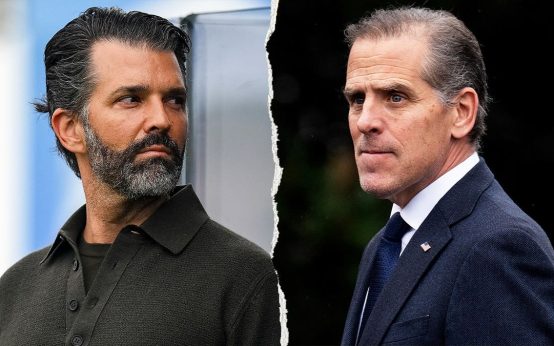 Curtis Pushes for Investigation into Trump Jr. and Biden
  Israeli Prime Minister’s Visit to the U.N. Amid Controversy
  Reader Perspectives on Social Security Reform and Competency-Based Degree Programs
  Republicans in Battleground States Urge End to Iran Conflict
  The Role of Consumer Choice in Restaurant Industry Dynamics