For over forty years, oilfield brine has been applied to roadways in Ohio, spreading a radioactive substance known to pose health risks. This brine, a byproduct of oil and gas extraction, is used on roads in Licking County townships to melt ice and suppress dust. Researchers at Ohio State University aim to assess how exposure to this brine affects the long-term health of residents in affected areas, including parts of Licking, Coshocton, and Ashtabula counties.
Leading the study is Dr. Arbor Quist, an environmental epidemiologist and assistant professor at OSU. “I’ve been working on issues related to the health effects of oil and gas development for the past decade,” Quist said. The project began this summer in Licking County.
Data collection methods are unconventional, involving donations of toenail clippings, baby teeth, and soil samples. Eligible residents of Licking County can participate by providing these samples, with incentives of gift cards offered for contributions.
The issue of oilfield brine is not confined to Licking County. According to the Ohio Department of Natural Resources, brine from 107 wells in 26 counties and 10 formations is too radioactive for environmental discharge under Ohio Administrative Code.
Quist contributed to an interactive map using AI to analyze where this brine is distributed on Ohio roads. Chronic radium exposure in wellfield brine can increase rates of bone, liver, or breast cancer, according to the EPA. Radium shares chemical properties with calcium, leading to bone absorption, and its decay produces radon, a leading lung cancer cause.
Licking County faces significant radon issues; a 2025 investigation by The Columbus Dispatch labeled it “ground zero” for radon in the U.S. Rain can wash radium into gardens, contaminating food and water sources, as explained by Jacque Morgan, a local advocate opposing brine use on roadways.
Since 1985, Ohio has permitted road spreading of radioactive brine. Historical drilling since the late 1800s has resulted in over 100,000 wells in eastern Ohio. Given its status as waste material, well owners often offer brine to municipalities for free application on roads.
Activists, including those from the Buckeye Environmental Network, are pursuing legislative change. Ohio Senate Bill 329 proposes banning road application of well brine. However, progress has stalled with the Senate Agriculture and Natural Resources Committee since February. Morgan met with Sen. Tim Shaffer, emphasizing the need for nonpartisan support due to health implications in affected environments.
Alternatives to oilfield brine exist. Granville Township has replaced oilfield brine with a self-made de-icer composed of water and road salt, avoiding brine contaminants. Morgan urges more local townships to adopt health-conscious strategies.
“When I see greed being a higher priority than health and welfare, that’s upsetting,” Morgan stated. “If you’re getting the benefit of the gas and the oil, then give us the benefit of healthy air to breathe and ground to walk on and vegetables to eat and water to drink.”
On September 19, Quist plans to attend the Granville Farmers Market to discuss radium’s bodily effects and engage with parents in communities impacted by oilfield brine.
“People seem interested and curious,” Quist remarked. Although Morgan is uncertain if the study will alter Licking County’s brine reality, she hopes increased awareness will advance public health and informed decision-making.
“I hope that it will put another couple of bricks on the scales of justice and reasonable choices for our quality of life and health,” Morgan concluded.
 Presley Gerber’s Passing Raises Addiction Recovery Concerns
  Understanding October SNAP Benefits: Payment Dates and Changes
  Cold Weather Alerts and El Niño Influence
 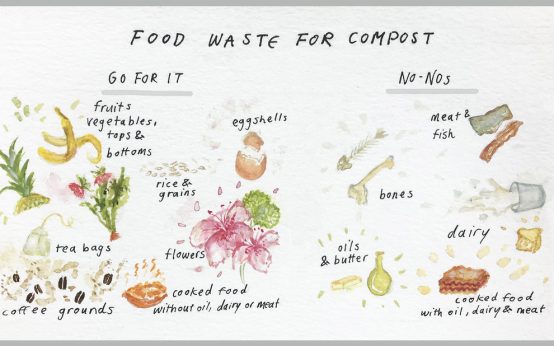 Turning Home Food Waste into Compost: A Guide
  Chicagohenge: When Sunlight Aligns with City Streets
  Fat Bear Week 2026: A Look at the Contest and Its Competitors