
In the summer of 2026, Oregon faced a historic crisis. With more than 2.5 million acres burned, the state witnessed unprecedented destruction, particularly on public lands.
The alarming figure marks the largest wildfire damage recorded, with 92% of the affected areas belonging to public lands. This trend has been consistent over the past decade, with nearly all catastrophic wildfires originating from these areas.
The severity of this crisis underscores a fundamental issue within the current system. It serves as a stark wakeup call that demands immediate corrective measures and innovative approaches to prevent future disasters.
The situation demands engagement and reflection on how public lands are managed. Improved strategies and proactive policies may be essential to curb the frequency and intensity of such wildfires.
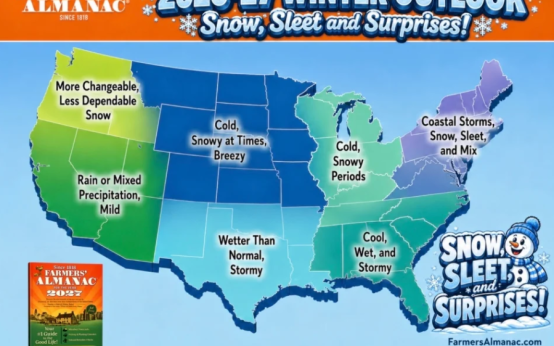 Winter Weather Forecasts for 2026-2027
  Democratic Nominee in Kansas Calls for Climate-Conscious Decisions
 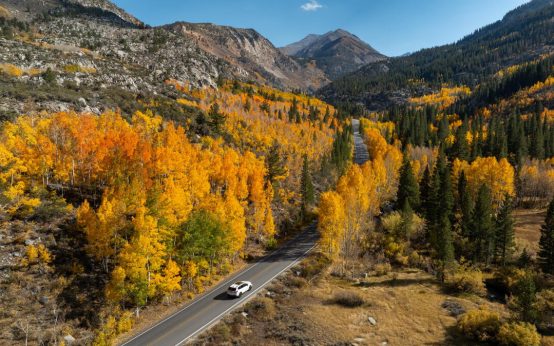 Fall Exploration in California: Colors, Entertainment, and Concerns
  Pro-Data Center Party Sparks Controversy Amid Nationwide Construction Debate
 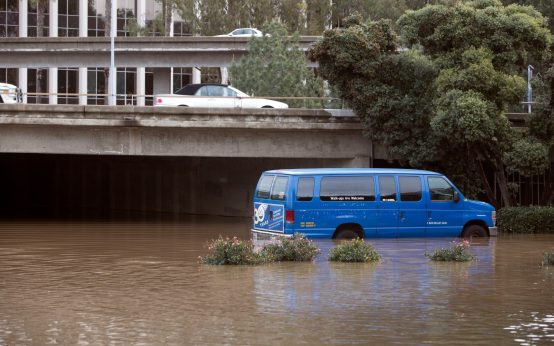 El Niño Could Increase Flood Risk Across Parts of the U.S.
  The Impact of Tibet-Nepal Floods and China’s Role