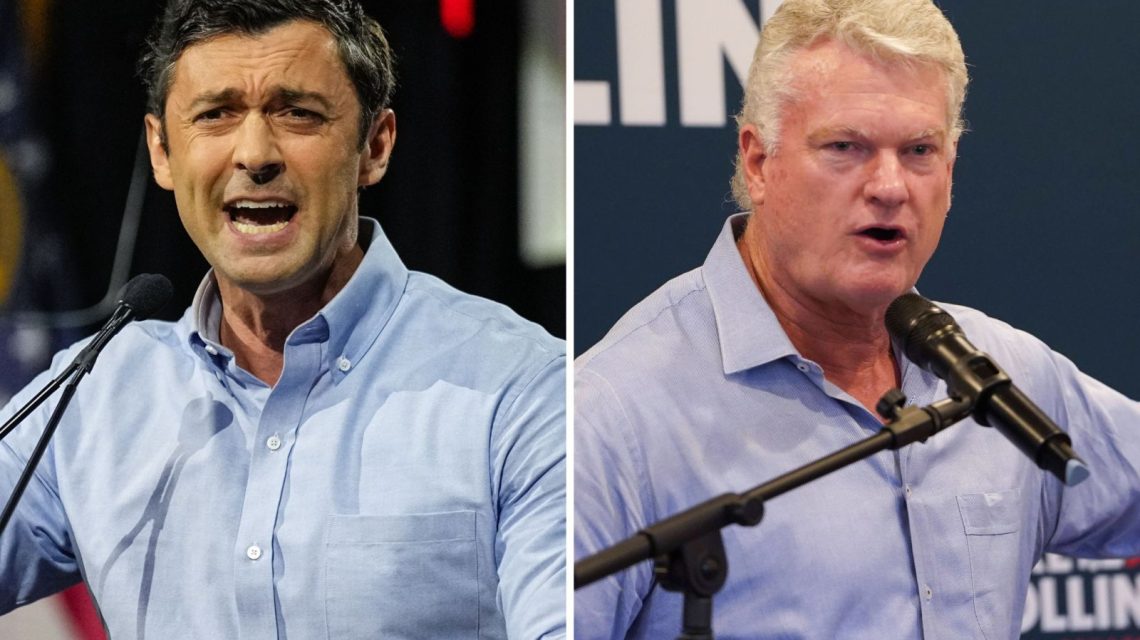
Democratic Senator Jon Ossoff and Republican challenger Representative Mike Collins debated on Tuesday night, marking their final meeting before the November 3 election. This debate took place as part of the Atlanta Press Club’s debate series, coinciding with the opening of early voting across Georgia. The race currently favors the incumbent, Ossoff.
Debate Highlights
During their first debate, Ossoff described the event as “The trial of Mike Collins,” focusing on Collins’ alleged ties to white nationalists, a pending ethics investigation, and his allegiance to Trump. In response, Collins characterized Ossoff as out of touch and supported Trump’s tariffs and the war against Iran.
Ossoff first secured his Senate seat in 2020. This race marks his first reelection campaign and is the sole Democratic Senate seat on the ballot in a state that Trump won two years prior. Collins represents Georgia’s 10th Congressional District and won the GOP nomination in a June runoff.
Senate Race Dynamics
Currently, the Senate is controlled by Republicans with a 53-47 majority. For Democrats to gain control, they need to switch four seats while maintaining all their current ones, including Georgia.
Ossoff has been leading in all public polls released since the summer. The Trafalgar Group, known for leaning Republican, showed Ossoff leading with 51 percent against Collins’ 43 percent, with 5.9 percent undecided. Other polls, such as Wedgewood Poll and Big Data Poll, reported varying leads for Ossoff, with differences in sample sizes and methodology.
The RealClearPolitics average showed Ossoff with nearly an eight-point lead in late September. Forecasters have also adjusted their ratings, with the Cook Political Report categorizing Georgia from “Lean Democrat” to “Likely Democrat,” reflecting Ossoff’s strong position.
Voter Concerns
The cost of living remains a significant concern for Georgia voters. A bipartisan AARP poll found the economy and cost of living ranked as the top concerns for likely voters, with ongoing war tensions with Iran contributing to these worries.
Healthcare is another critical issue, with many voters considering a candidate’s healthcare stance important. Ossoff criticized Collins’ support for policies he claims increased premiums for Georgians. Data center development has also emerged as a concern, highlighting local issues such as electricity and water supply impacts.
Key Debate Themes
The debate focused on high-impact issues. Ossoff criticized Collins for backing tariffs and promised to repeal them, while Collins blamed inflation on the Biden administration and stressed energy independence.
The Iran conflict was linked to the economic debate, with Ossoff accusing Collins of supporting the war, which he claims led to higher gas prices. On healthcare, Ossoff attacked Collins’ support for votes that raised premiums.
Immigration was another focal point, with Collins accusing Ossoff of wanting to defund ICE and the Border Patrol. Ossoff countered by arguing for secure borders but criticized unnecessary raids.
Candidate Scrutiny
Ossoff has highlighted questionable actions in Collins’ track record, pointing out a House ethics investigation and controversial posts by those associated with Collins. Collins has attempted to associate Ossoff with controversial figures and donors.
This race is pivotal for both parties, reflecting the broader national tensions and key local issues ahead of the November elections.
 Federal Judge Halts Tree Removals at East Potomac Golf Links
 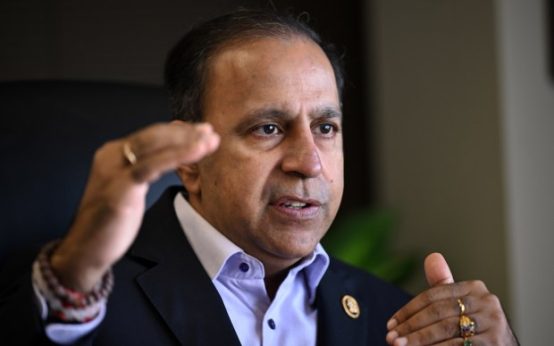 Raja Krishnamoorthi Reflects on Political Career and Future
  Supreme Court to Review Case on U.S. DOGE Service Records
  New White House Press Secretary’s Debut
  Protests Challenge Modi’s Dominance in India
  News Highlights: Guilfoyle Scandal, Turek vs. Hinson, Trump Heads to Alaska