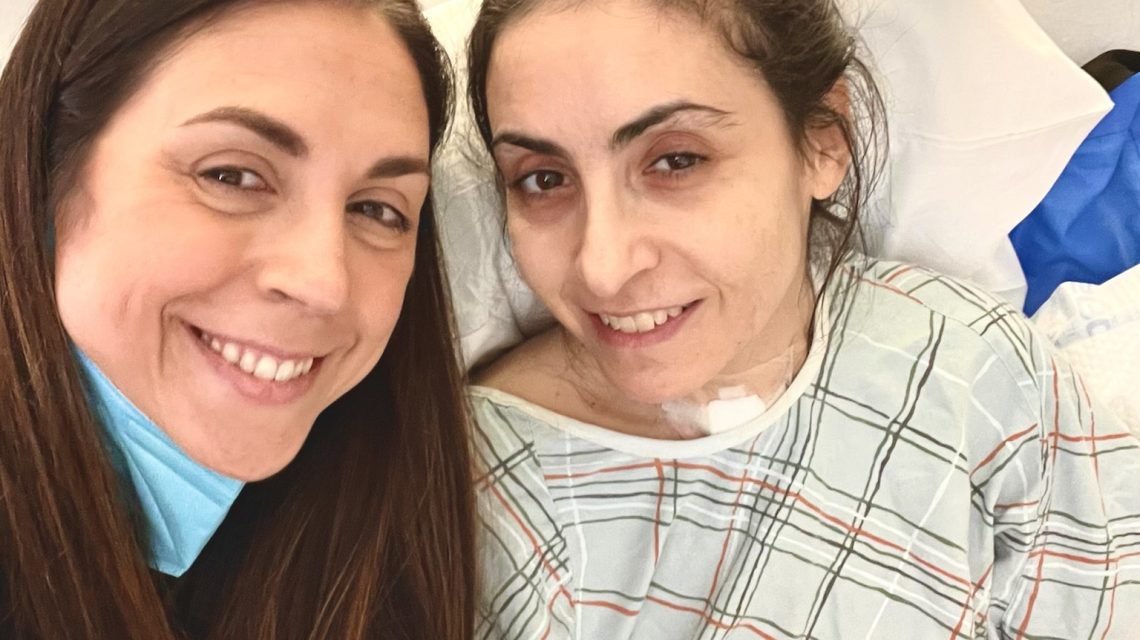
Four years ago, I faced a life-threatening situation. On January 8, 2022, I awoke feeling as though I were on the brink of death. My voice was faint, and I was unable to get out of bed. A severe headache overwhelmed me. Just a day prior, I had visited the emergency room, believing I had a respiratory infection. I was sent home, yet my condition worsened overnight. Slurred speech, weakness, and disorientation prompted my parents to return me to the hospital. There, doctors diagnosed me with viral encephalitis, a rare brain infection that can rapidly become fatal.
I was soon placed in a two-week coma. Upon waking, I couldn’t speak, breathe independently, eat, or walk. Today, I live independently in New York City. I work full-time and run almost every day, preparing for my 10th marathon this fall.
These achievements remind me that surviving does not make life easier. It changes one’s perspective. Before this brain infection, I battled another serious condition. In 2002, at age 23, I was diagnosed with multiple sclerosis (MS). My feet became numb, followed by my legs. Doctors warned I might never walk again. For years, I kept this diagnosis private, refusing to let it define me. Through rehabilitation and sheer determination, I regained my strength, but nothing could prepare me for January 2022.
What seemed like a cold turned perilous. The coma left my body weak and unrecognizable. Sitting on the bed exhausted me. Standing, with help, required half an hour just to take one step.
Every achievement during recovery felt monumental. Taking my first independent step was a triumph. Physical therapists encouraged me, pushing me forward even when progress seemed invisible. Leaving the hospital, recovery felt challenging, not miraculous. I underwent extensive physical, speech, and occupational therapy, celebrating small victories like walking down a hall.
Three months post-hospitalization, I participated in a 5K race, walk-running to prove I was moving forward. Eight months later, I completed my second New York City Marathon.
Recovery isn’t magical—it requires consistent, often exhausting effort. It involves attending therapy even on tough days. It’s about strength training despite muscle fatigue and believing in progress, regardless of measurable results. Resilience is quiet, not glamorous.
Four years later, I honor my “life anniversary,” acknowledging my fortune to be alive. Despite frustrations like work deadlines and training runs, I remind myself of my time in a hospital, immobile and on the verge of death. Perspective is transformative.
Now, I volunteer at Mount Sinai, supporting neuro rehab patients who face challenging diagnoses. Some may never regain their independence, and despite their fears, I offer hope that progress is possible. I’m not a miracle story; I’m living proof that perseverance counts.
Recovering from multiple sclerosis and encephalitis taught me that healing isn’t linear. Setbacks occur, with MS-induced fatigue affecting my strength. Some runs feel effortless, while others are arduous. Learning that true resilience sometimes means resting instead of pushing forward has been crucial.
Running became a symbol of my commitment to recovery. Beginning to run at 40, after surviving encephalitis, gave new meaning to each mile. Each marathon affirms my body’s strength and resilience. I’ve completed nine global marathons, including five Abbott World Marathon Majors. I aim to finish the Tokyo Marathon in March 2027 to earn my sixth World Marathon star.
The medals aren’t my focus. It matters that I once couldn’t walk, that I was told I might never walk again in 2002, that I awoke from a coma in 2022 unable to perform basic functions. Yet, I’ve made thousands of small decisions to keep moving forward.
People often inquire about my outlook now. It is simple: We don’t control events, but we control our responses. Surviving a brain infection makes me acutely aware of life’s swift changes. I also understand that persistence can alter outcomes. Progress, even if minor, suffices.
Today, I am alive, running, working, and supporting others in their battles. Each morning, I recognize what I couldn’t before: Surviving was not the greatest miracle. It was understanding that prognosis is not destiny, resilience conquers fear, and second chances can lead to a life greater than imagined.
Amy Gruenhut, a marketing executive and marathon runner in New York City, volunteers at Mount Sinai’s neuro rehabilitation program, supporting patients on their recovery journeys. The views expressed here are her own. Have a personal story to share with Newsweek? Email [email protected].
 Cindy Crawford’s Son Presley Gerber Dies at 27
  Navy Veteran Generald Wilson Reflects on Emotional National Anthem Performance
  Addressing the Complex Issue of Suicide and Its Prevention
  Fat Bear Week: A Unique Annual Tradition at Katmai National Park
  Quality of Sleep Linked to Risk Reduction in Various Diseases
  Exploring Diets and Their Potential to Reduce Alzheimer’s Risk