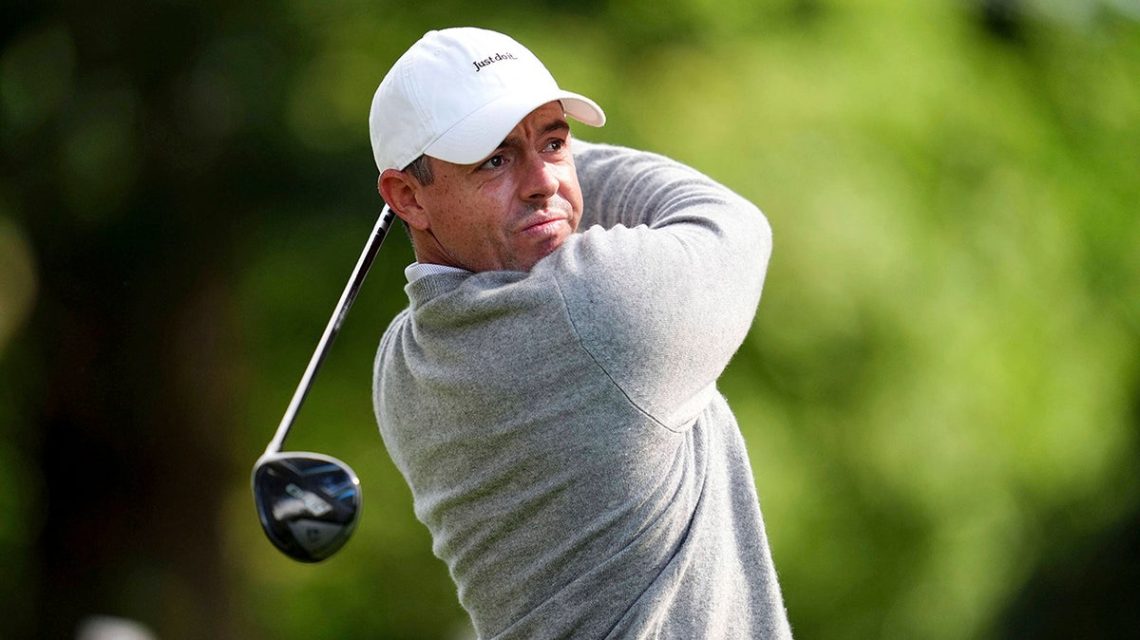
Golf, traditionally seen as a stable and unchanging sport, has experienced significant shifts in recent years. The LIV Golf Tour emerged and then seemingly declined, influencing the professional landscape in various ways. Its impact extended beyond just events and players, affecting how tournaments should count towards major qualifications and Ryder Cup team selections.
The PGA Tour had to adapt rapidly in response to LIV’s emergence. Changes included introducing signature events with larger prize pools, altering some tournaments to have no cuts, and enhancing support for top players. These initiatives aimed to retain elite golfers. Consequently, signature events attracted stronger competition due to the $20 million prize money. However, smaller tournaments suffered as players preferred rest over participating in lower-paying events.
Key Changes in PGA Tour Under Rory McIlroy’s Influence
Rory McIlroy has played a pivotal role in the recent transformations on the PGA Tour. While many players were switching to other tours, McIlroy remained loyal to the PGA Tour, taking on a leadership role alongside Commissioner Jay Monahan. He has become increasingly vocal as an experienced player, now 37 years old.
Recently, McIlroy discussed the potential impacts of further changes under new CEO Brian Rolapp. As he advances in his career, he’s adjusted his schedule, citing a declining interest in participating in most tournaments. He expressed that once the enthusiasm fades, it’s time to pause. “I’ve participated in events I wasn’t keen on attending merely because I felt an obligation,” McIlroy stated.
After taking a break post-The Open Championship, McIlroy returned for three consecutive weeks in the FedEx Cup Playoffs. He noted that three weeks in a row is his current limit, as he seeks more family time and competition breaks. “Playing a fourth consecutive week seems challenging,” he revealed.
Personal Reflections and Future Plans
McIlroy emphasized his evolving perspective on his participation frequency, mentioning he won’t play four consecutive weeks again and that his threshold for continuous play has shortened. “After nearly two decades as a professional, my tolerance isn’t what it used to be,” he commented. His plans indicate a reduced schedule, focusing more on personal preferences.
The PGA Tour’s latest changes introduce dual event tracks and, for the first time, promotion and relegation systems. McIlroy expressed mixed feelings about these adjustments, attributing some of the changes to LIV’s influence. “Reflecting on it, the tour was operating well even before LIV’s entry,” McIlroy observed. He noted that LIV initiated a surge in prize funds and field adjustments to maintain top players’ presence.
Current Sentiment and Upcoming Directions
Despite the recent upheavals, McIlroy remains candid about his views on the sport’s evolving dynamics. Some internal tensions have arisen from feeling underappreciated in his efforts to support the PGA Tour. With emerging rumors about LIV players contemplating returning, McIlroy’s detachment from the demanding PGA Tour schedule is noticeable. Major championships hold more importance, with the FedEx Cup Playoffs ranking lower in his priorities.
McIlroy, one of golf’s iconic figures, acknowledges his autonomy in selecting events. Meanwhile, the PGA Tour continues to seek wealthy sponsors. McIlroy’s openness about playing fewer tournaments adds pressure on the tour to address this challenge. Ultimately, Ian Miller reflects on how McIlroy’s influence and candidness shape the ongoing narrative in professional golf.
 49ers Set for Historic NFL Game in Australia: Kittle and Bosa Join the Team
  Justin Tucker Works Out for Jets Amid Controversy
  A.J. Brown Trade Highlights Tensions Between Former Eagles Teammates
 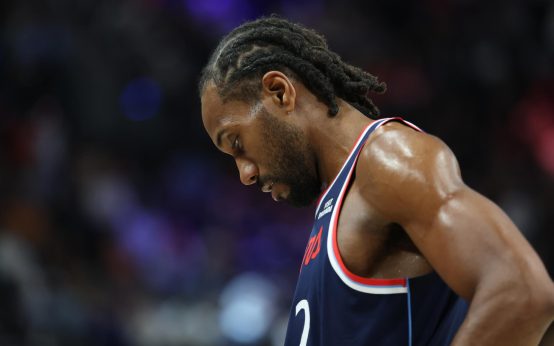 Clippers Face Major Consequences After NBA Ruling
 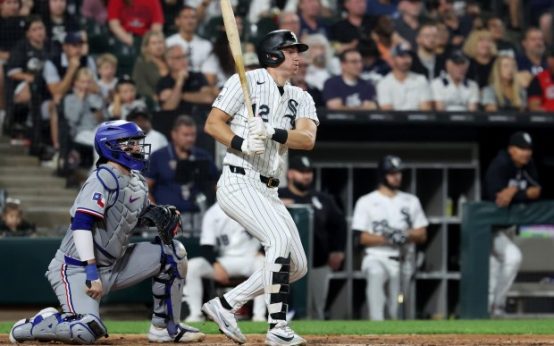 White Sox Offensive Surge and Key Player Updates in 2026
 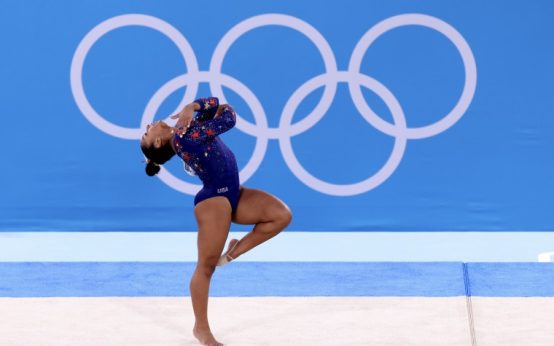 Jordan Chiles Eyes 2028 Olympics in Los Angeles