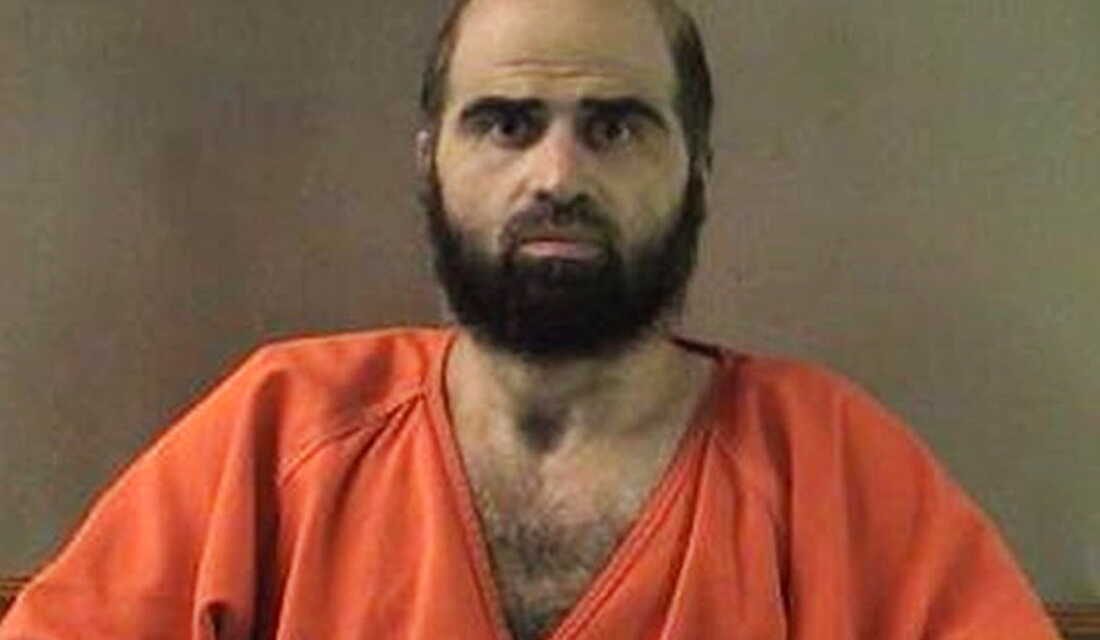
WASHINGTON — The Pentagon revealed a plan to livestream the execution of Nidal Malik Hasan, the Fort Hood shooter, marking the first military execution in over 65 years. Defense Secretary Pete Hegseth described the execution on Dec. 3 at Fort Hood as public. Hasan was convicted in 2009 for killing 13 people and injuring 32 others during a shooting at the base.
Hegseth stated, “We’ll make sure that people are able to watch it, that it’s public.” Pentagon officials clarified that the execution will be livestreamed, with further details to follow. Hegseth’s announcement raised questions about the nature of the death penalty in the U.S., especially post the botched execution of Christa Pike in Tennessee.
“It frankly might outlast the current administration, and who knows if the next one will have the same penchant for executions,” said Eugene R. Fidell, a military law expert at Yale Law School. Hasan could file a habeas petition to delay execution, experts noted.
Deborah Denno, a law professor at Fordham University focusing on the death penalty, suggested that livestreaming could offer transparency and inform the public about capital punishment. Denno said, “It could possibly be a good idea because it would be transparent and the public would be fully aware that it’s happening.”
Numerous states face challenges with lethal injections due to drug availability or medical professional participation, leading to increased consideration of firing squads. Brenner Fissell, a professor at Villanova Law, stated, “Firing squads can be a quicker, cleaner, more precise way to execute a prisoner.” He believes the focus on firing squads highlights “masculinity and military-ness.”
Legal and policy questions arise with Hegseth’s announcement, including concerns for the defendant’s dignity, eligibility to view the execution, and intentions behind the unusual public display. Elisabeth Semel of the Death Penalty Clinic at UC Berkeley said this government-initiated broadcast raises questions about motivation. Semel noted, “This is a president about spectacle.”
Trump, who approved Hasan’s execution, has criticized public executions in Iran, previously using them as rationale for military action against Iran. In his State of the Union address before action in Iran, he stated, “We stopped them from hanging a lot of them with the threat of serious violence.” The White House referred questions about the execution plans to the Pentagon.
Hegseth was asked about Hasan’s final requests, to which he replied, “Don’t care. We’ll see him on Dec. 3.” Hasan’s willingness to appeal remains uncertain. He fired lawyers at his 2013 trial, admitted to being the gunman, and avoided defense witnesses and closing arguments, indicating a focus on receiving the death sentence. Hasan previously leaked documents claiming martyrdom through execution.
Attorney John Galligan, who has represented Hasan in civil matters, expressed concern about Hasan’s physical health and lack of legal counsel. Galligan reported inadequate legal presence during Hasan’s execution notification, potentially breaching Army regulations. The Army stated attempts were made to contact Trial Defense Service attorneys and assured Hasan’s access to communications.
Military executions by firing squad last occurred during World War II; the last military execution, via hanging, was in 1961 with Pvt. John Bennett. Amnesty International reported public executions primarily in Iran and Afghanistan.
 Shooting of Dominican Man by Federal Officer Sparks Controversy
  Demonstrators Rally on National Mall to Support Cornell University Rape Case
  Controversy Erupts Over Save Girls Sports Advocate’s Shirt at California School Forum
  Hurricane Isaias Approaches Florida Panhandle
  Texas Senate Race Heats Up as Ken Paxton Faces Pressure to Debate
  Las Vegas Showgirl Incident Leads to Arrests