Marshall McLuhan, a Canadian sociologist, famously stated that “the medium is the message.” This concept can be questioned in modern times as the idea of “medium” evolves into “mid.” Political parties gear their messages to influence voter decisions in upcoming elections.
The Republican Perspective
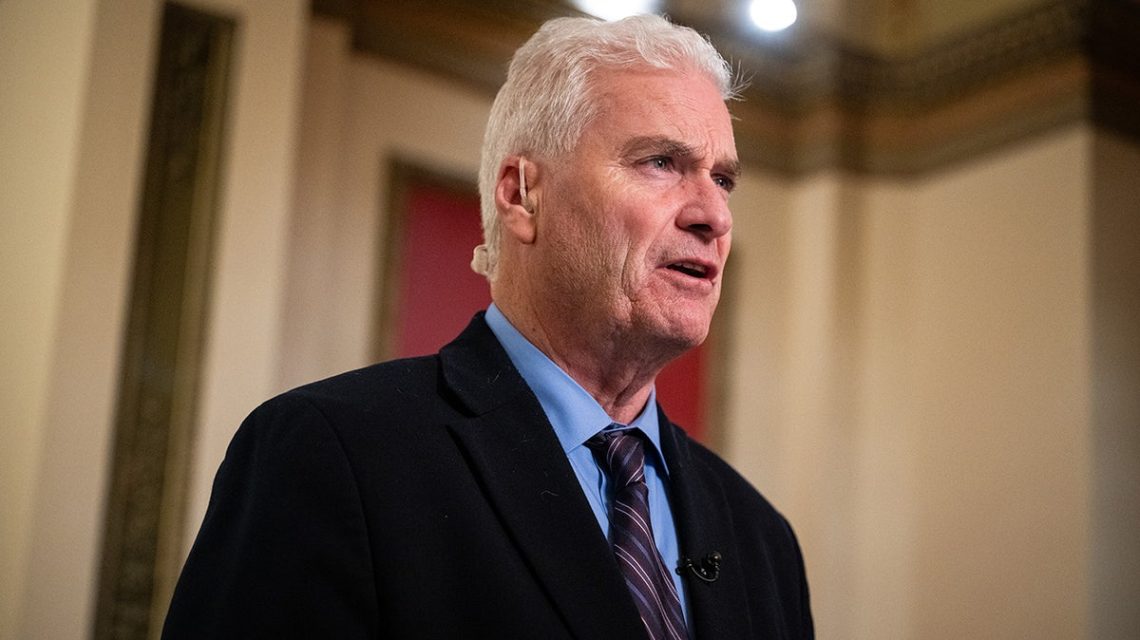
House Majority Whip Tom Emmer, R-Minn., emphasized the importance of the message in convincing voters. He proudly listed accomplishments, including the elimination of taxes on overtime and tips, enhancement of the childcare tax credit, and more. These actions were part of extensive legislation passed by the Republican-led Congress last summer.
Sen. Kevin Cramer, R-N.D., mentioned that while the GOP achieved much last year, voters are more interested in recent actions that directly impact them. This acknowledgment reveals a potential challenge for Republicans as they work to maintain voter interest.
The Democratic Strategy
Democrats focus on affordability and economic issues, often highlighting the costs of everyday items like groceries and fuel. Sen. Tim Kaine, D-Va., argued that tariffs imposed on allies negatively affect consumers, despite lacking clear benefits. Additionally, Democrats are committed to holding Donald Trump accountable, as emphasized by Melat Kiros, a House nominee from Colorado, and Pete Aguilar, Chairman of the House Democratic Caucus.
Emerging Issues: AI and Legislative Actions
Both parties are examining artificial intelligence (AI) as a late-emerging theme in the political landscape. Sen. Chris Murphy, D-Conn., urged Democrats to spotlight AI during elections, while Hakeem Jeffries, D-N.Y., accused Republicans of neglecting the urgency required for AI regulation.
The House recently passed the Ratepayer Protection Act, aiming to transfer high utility costs from consumers to Big Tech firms operating data centers. Despite overwhelming House support, Sen. Martin Heinrich, D-N.M., blocked the bill, arguing for more robust legislation. Sen. Jon Husted, R-Ohio, and his Republican peers view the opposition as a chance to emphasize their commitment to affordability.
The Final Stretch to the Midterms
As the midterms approach, Democrats and Republicans scramble to establish a compelling message. Sen. John Kennedy, R-La., pointed out a lack of coherent plans from both parties, relying instead on negative comparisons with opposing candidates.
These political dynamics are defining the messaging strategies of both parties, highlighting differing priorities and legislative struggles as the elections draw nearer. The conversations around recent bills and emerging topics like AI illustrate the challenges in maintaining cohesive and impactful communication with the electorate.
 Calls Grow for Ireland’s Soccer Team to Boycott Matches Against Israel
  Congressman Randy Fine’s Bold Political Stance and Views on AI Regulation
  President Trump Proposes ‘Super Intelligence’ as New AI Term
  Trump Administration Considers Diesel Export Ban Amid Rising Prices
  Texas Senate Race Tightens with Shifting Youth Support
  Flight 93 Hero’s Father Criticizes Ties Between Hasan Piker and Abdul El-Sayed