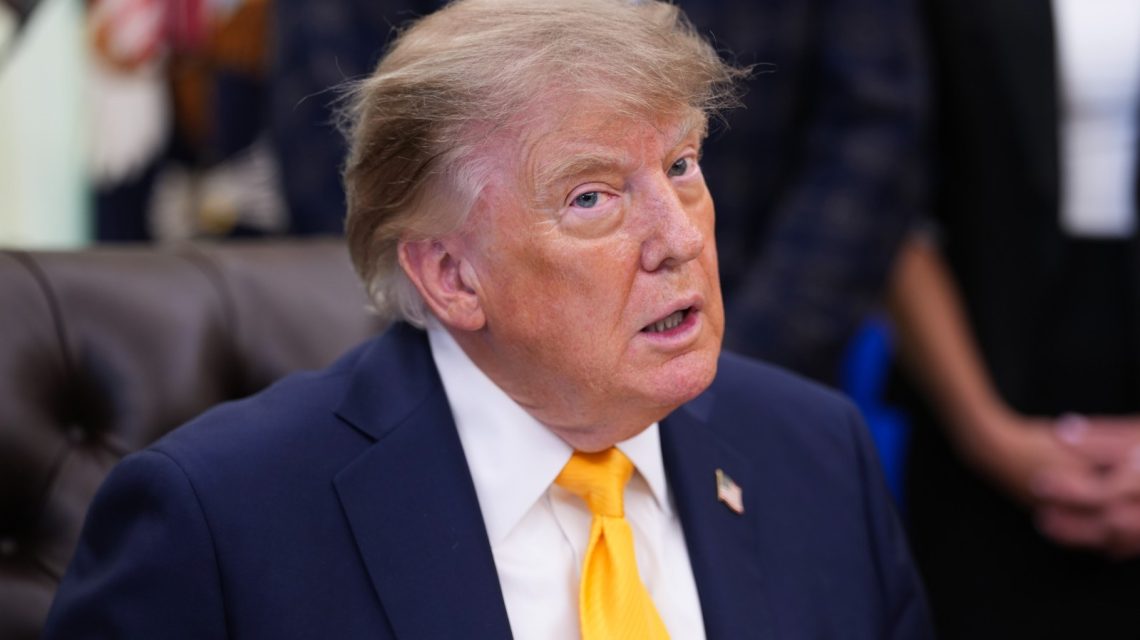
Economic Discontent Grows
A recent poll by the Financial Times and Focaldata highlights increasing concerns about the U.S. economy under Donald Trump. Only 33% of registered voters approve of his performance, marking a three-point decline from the previous month. This is the lowest approval rate since the survey began in May.
In particular, 66% of the 2,178 adults surveyed believe the U.S. economy is on the wrong track, a record high for this poll. Trump’s net approval on inflation and the cost of living has plummeted to a record low of 17%, with 69% disapproving.
Furthermore, support for Trump’s handling of jobs and the economy has decreased to 26%. Newsweek has reached out to the White House for comments during non-working hours.
Economic Approval Decline
The percentage of Americans who feel financially better off since Trump took office last January has dropped to 18%, down from 32% in May. This contrasts with 57% who now feel worse off, an increase from 36%, while only 26% feel the same or are unsure.
Economic confidence deterioration is evident across party lines. Those who believe the economy is heading in the wrong direction have risen to 66% from 61% in May. Disapproval of Trumps handling of inflation and jobs has increased to 69% and 58%, respectively.
Among Trump’s supporters, 44% think the economy is on track, down from 55% in May. The opposing view has grown from 33% to 40%. Even among strong Republicans, only 52% see a positive economic direction, down from 65%.
Midterm Election Concerns
Economic pessimism poses a challenge for the administration with midterm elections approaching. A Harris Poll for The Guardian shows 95% of Americans see an affordability crisis, driven by rising costs of essentials like groceries and gas.
Gas prices are high due to the Strait of Hormuz bottleneck, with diesel nearing $6 per gallon. An FT and Focaldata poll in mid-August found that Democrats were more trusted than Republicans on economic issues, with a margin of 44% to 38%.
The latest polls indicate that economic concerns are foremost for Americans as midterms near. Inflation and cost of living are top issues for 43%, followed by the economy and jobs at 31%, with war and immigration trailing at 20% and 16%.
Administration Response
A White House spokesperson told the FT that Trump recognizes the war’s temporary disruptions. The administration remains committed to an economic agenda focusing on tax cuts, deregulation, and energy abundance.
The spokesperson highlighted BLS employment figures as evidence of job creation and re-industrialization. However, Matt Klink, a political consultant, argues that voters need more than rhetoric to alleviate economic concerns.
Klink emphasizes that economic skepticism is hazardous for Republicans as it affects working-class, rural, and independent voters who seek price relief. If voters feel costs remain high, midterms could focus on affordability, a significant challenge for the GOP.
 Evaluating Trump’s Promises to Lower Costs
  New Hampshire Senate Race: A Contest of Momentum and Uncertainty
  Trump’s AI-Generated Map Sparks Diplomatic Reactions
  New UK PM Andy Burnham and US-UK Relations Under Scrutiny
  President Trump Proposes Renaming New Mexico
 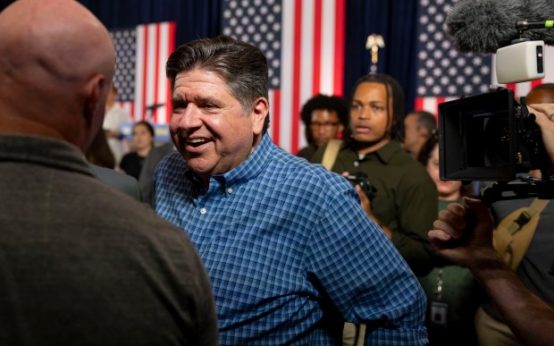 Illinois Fall Election Campaigns Intensify with Focus on Chicago Area