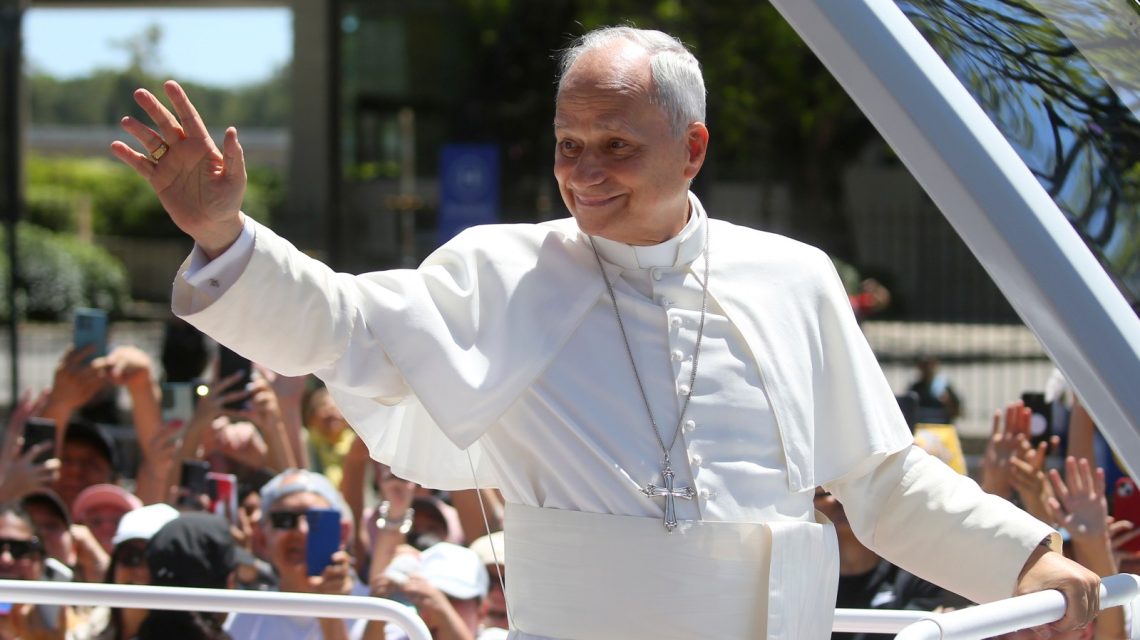
More than a year into his papacy, Pope Leo XIV is facing a significant challenge that tests modern pontiffs. This demonstrates the Catholic Church’s commitment to tackling abuse within its ranks. On Wednesday, Pope Leo addressed the issue during his general audience. He described preventing and countering abuse as a ‘way of living out evangelical conversion, starting by listening to those who have been hurt, calling evil by its name, and embarking on paths of truth, justice, and reconstruction.’
Abuse was a focal point of his recent trip to South America, where he met with survivors of clerical abuse in Peru. In remarks at the end of his trip, he expressed the need for the church to address ‘spiritual abuse.’ He stated that spiritual abuse is a serious topic under study in the Vatican, with no immediate document for publication yet.
Clerical abuse remains a persistent issue for the church. Investigations over decades have exposed widespread abuse allegations and criticism of church leaders for failing to address misconduct by priests worldwide. The Catholic Church has grappled with this challenge for years while endeavoring to bring accountability for victims.
Pope Leo’s Approach to Combating Abuse
Pope Leo focuses on the importance of listening to abuse survivors. He highlighted this during his address to the Pontifical Commission for the Protection of Minors in March. Prevention, he said, is not merely protocols or procedures but involves forming a culture of care throughout the Church. This culture should see the protection of minors as a natural expression of faith.
In June, he approved new statutes for the commission to reinforce its work in helping local Churches develop reporting systems and listening centers. This continuation of efforts began under Pope Francis in 2015. Kevin Ahern, a religious studies professor, emphasized the current need to address deeper cultural issues within the Church, beyond legal structures.
Pope Leo’s recent emphasis on spiritual abuse suggests serious attention to interconnected issues of power, clericalism, and exploitation within the Church. He aims for a more dialogical, transparent, and participatory church operation, aligned with the ongoing Synod on Synodality.
Institutional Powers and Church Response
Robert Orsi, a history professor at Northwestern University, notes the church’s tendency to protect its prestige and doctrinal authority. Despite this, Pope Leo has shown empathy and support for sexual abuse victims. The global power of the Catholic Church complicates its response to abuse, often constrained by its own imperatives.
Lawyers have significantly influenced the Church’s response to abuse allegations. Acknowledging the harm done to victims posed legal liabilities. Pope Leo’s openness marks a notable shift, acknowledging the potential harm by ordained men.
Pope Leo Faces Scrutiny
Upon his election as pope, Pope Leo faced skepticism from the Survivors Network of those Abused by Priests (SNAP). Concerns were raised regarding how he handled allegations of sexual misconduct during his past ministry. His record on abuse cases has been both criticized and praised.
S.N.A.P. filed a complaint against him in March 2025 concerning his actions with allegations involving priests in Chicago and Peru. They alleged failure to investigate claims adequately, but the diocese claimed actions like suspensions were taken.
Rober, an expert, described Pope Leo’s record as reflecting a ‘learning curve.’ Some of his past actions have been scrutinized, yet hold up over time. His involvement with the conservative Catholic organization SCV in Peru was significant in its eventual suppression before he became pope.
American Background Influences
Pope Leo brings an American perspective to handling sexual-abuse cases. His directness in naming broader issues of abuse is partly informed by his American background and generational turnover within the church leadership.
His actions align with those of previous popes like Francis and Benedict, maintaining a dual approach combining pastoral care and procedural guidelines. The Vatican continues to improve guidelines for safeguarding people and supporting victims, balancing moral, pastoral, and legal considerations.
Future Directions
Addressing sexual abuse remains a priority for Pope Leo in the coming years. The regularization of practices he has initiated is crucial. S.N.A.P. has called for concrete safeguards, including immediate removal from ministry of those accused of abuse.
Orsi emphasizes that the crisis is ongoing. The danger of abuse by ordained men has long been recognized, indicating the issue’s persistent nature. Understanding and addressing this ongoing danger requires a commitment to finding ways to live with and mitigate the risks rather than declaring the problem solved.
 Drone Strike Hits Russian Ship in Benghazi
 Canadian Medical Student’s Mysterious Death in Turkey Sparks Investigation
 Ukraine’s Escalating Drone Attacks on Russian Assets
 El-Sayed Criticizes Ethno-States, Emphasizes Democracy for Israel
 Negotiators Struggle to Agree at UN Climate Talks in Turkey
 Trump Announces US Navy’s Blockade in Strait of Hormuz