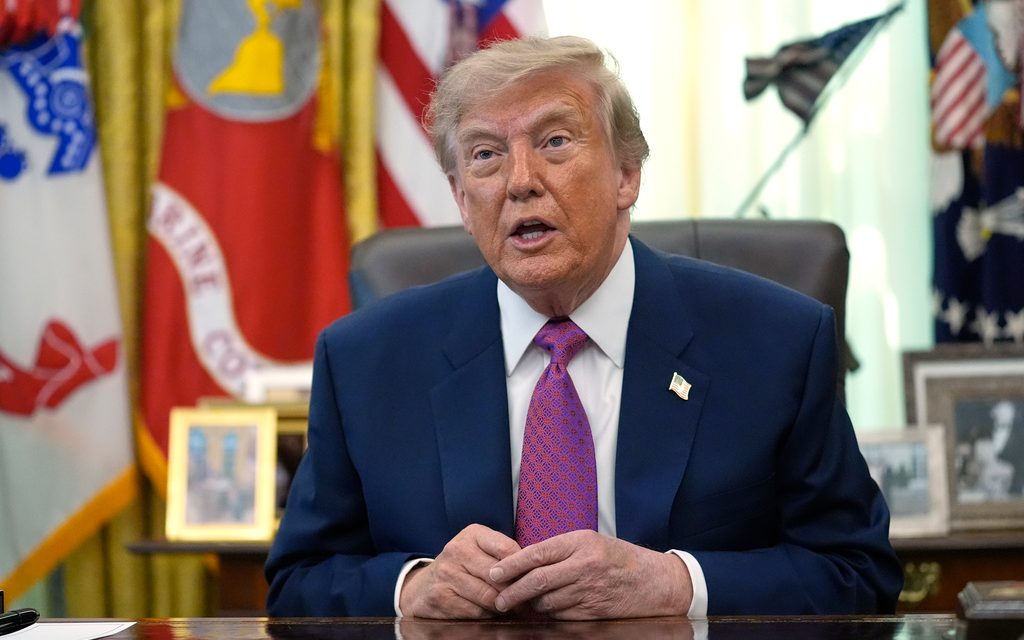
Discussion on Presidential Power
Presidents of the United States have historically wielded significant power and authority, often commanding respect both domestically and internationally. This dynamic can be traced back to the era when the United States emerged as a world superpower. The office itself inherently carries a level of mystique and authority.
President Theodore Roosevelt encapsulated this aspect with his famous saying about speaking softly and carrying a big stick. This approach emphasized the importance of measured yet impactful communication with adversaries and allies. Throughout history, presidents have learned how crucial this balance is for diplomacy and governance.
Trump’s Approach to Presidency
President Donald Trump, however, has significantly altered this perception of presidential power. Known for his outspoken nature both in reality and on various media platforms, Trump attracted attention by voicing sentiments people wished politicians would express. His style was characterized by a lack of restraint and a propensity for threats when others did not heed his words.
Entering his second term, Trump intensified his aggressive rhetoric with substantial backing from the House, Senate, and Supreme Court. This allowed him to implement his specific agendas without much opposition. Initially, this strategy appeared effective; NATO members increased military spending, businesses scaled back DEI programs, and universities opted for settlements to avoid confrontation.
Nonetheless, Trump’s threats soon proved ineffective. Allies and adversaries alike began dismissing his aggressive tactics as hollow. For example, Iran resisted pressures from operation initiatives that sought to undermine its economy.
Domestic and International Reaction
Internationally, relationships suffered, as seen in the strained US-Canada trade relations. Trump’s attempts to impose tariffs only led to ridicule from Canada, highlighting the dwindling influence of such threats.
Throughout Trump’s first term, a team of experienced advisors tempered his impulsive tendencies. They managed his communication to maintain authority without alienating allies. However, as his administration evolved, it became filled with individuals who mimicked rather than moderated his behavior, resulting in ineffective policy outcomes.
The downfall in diplomacy was exemplified by Treasury Secretary Scott Bessent and Defense Secretary Pete Hegseth, who both followed Trump’s confrontational rhetoric to little effect.
Historical Context and Modern Implications
Historically, presidential power has been characterized by restraint and strategic communication. Presidents like Ronald Reagan and George W. Bush maintained stern yet effective dialogue during critical periods. Their ability to balance strength and poise fostered respect without unnecessary escalation.
Now, under Trump’s leadership, the traditional projection of strength is overshadowed by erratic behavior. His inability to manage emotions results in undermining diplomatic relationships and creating division. The ramifications extend to both domestic audiences and international actors, leading to broader consequences for US foreign policy.
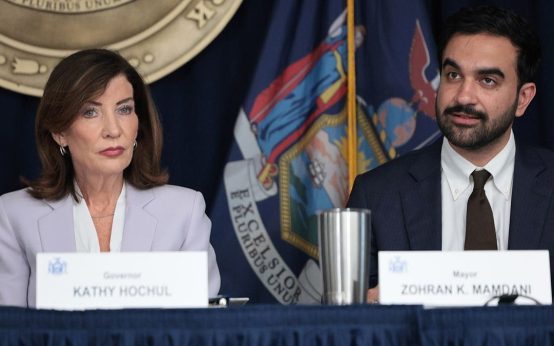 New York Gov. Hochul Criticizes Federal Delay on Counterterrorism Funding
 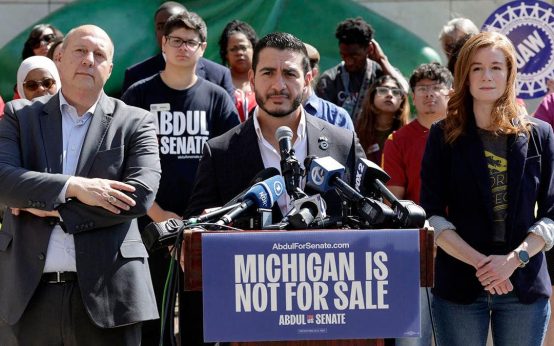 Controversy Over Nervous Speaker at Michigan Senate Candidate’s Event
 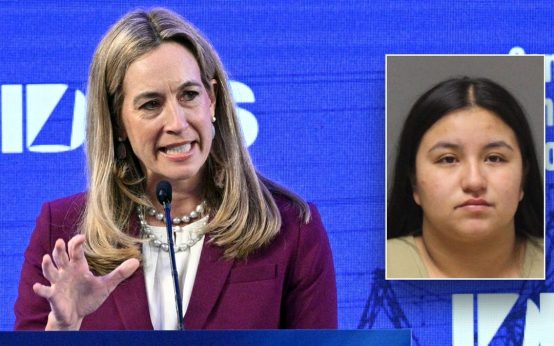 Controversy Surrounds Sanctuary Policies After Tragic Incidents
  California Election Controversy: Tina Peters Declines Employment
  Michigan Democratic Convention Faces Pronunciation Errors and Criticism
  Controversy over Russian Finance Minister’s Presence at G20 Meeting in Asheville