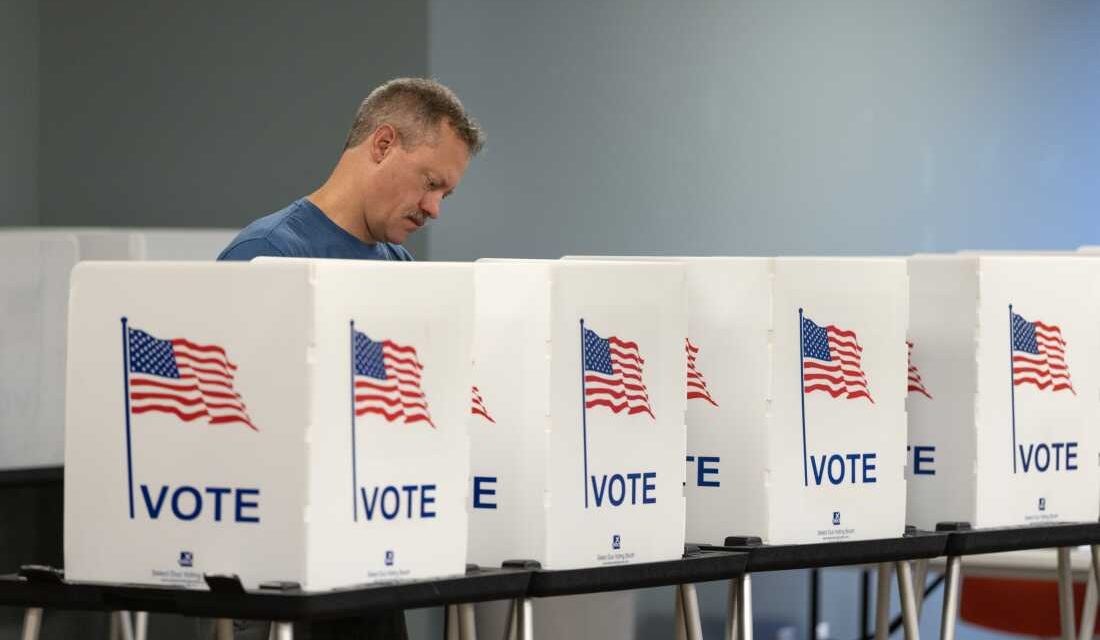
Voters across six states participated in primary elections on Tuesday, underscoring internal conflicts within both major political parties as the mid-term elections approach. The Democratic primaries in Wisconsin, Minnesota, and Connecticut revealed a push from the party’s base towards opposing President Trump’s immigration policies and selecting younger, more progressive candidates. This trend was evident when a candidate under 50 defeated a 14-term congressman.
Republican Endorsements Tested
The Republican primaries examined the clout of Trump’s endorsements. With Trump’s approval ratings at a low point, the results were mixed. In South Carolina’s Senate race and Wisconsin’s gubernatorial contest, Trump-backed candidates performed well, indicating his influence remains significant. However, in Minnesota, the Trump-endorsed candidate for governor faced challenges.
In South Carolina, Trump-endorsed Senator Darline Graham advanced to a special Republican primary runoff. Despite formidable opposition, she will face Rep. Ralph Norman in an upcoming special primary runoff. Norman, endorsed by GOP Senators Mike Lee and Rick Scott, stands as a significant opponent. Graham pushed forward with Trump’s vocal support in her campaign.
In Wisconsin, Tom Tiffany secured the Republican nomination with broad support, profiting from Trump’s endorsement. Meanwhile, in Minnesota, Trump-supported Mike Lindell lost in the gubernatorial primary to Lisa Demuth. Demuth, lauded for her experience and leadership, will run against Democratic Senator Amy Klobuchar, illustrating the competitive nature of Minnesota’s elections.
Democratic Responses to Immigration Policy
The Democratic Senate race in Minnesota became a referendum on the party’s stance on immigration. Lt. Gov. Peggy Flanagan’s victory over Rep. Angie Craig reflected a preference for candidates willing to challenge Trump’s policies. Flanagan campaigned against the Laken Riley Act, which Craig previously supported. This result signals where the Democratic base stands on immigration enforcement.
Flanagan will contend against Republican Michele Tafoya, a former sports broadcaster, in a race that promises to be closely watched.
Progressive Democrats Face Challenges
Progressive Democrats engaged in key races to assert influence. In Minnesota, Flanagan’s win is part of a broader trend of progressive victories, echoing another win in Michigan with Abdul El-Sayed’s Senate nomination. However, Wisconsin’s Democratic gubernatorial primary saw Francesca Hong, a progressive candidate, lose to a more traditional candidate, David Crowley.
Hong’s campaign, supported by progressive grassroots, failed to secure victory despite high enthusiasm and notable endorsements. Crowley’s late reentry, bolstered by an endorsement from the outgoing governor, proved decisive.
Generational Shift in Democratic Leadership
In Connecticut, the shift towards younger candidates continued as Rep. John Larson, 78, conceded to younger opponent Luke Bronin. This shift reflects the broader move within the Democratic Party towards generational change. According to NPR, over 80 Gen Z and millennial candidates vie to replace incumbents aged 65 and older, a notable increase from previous cycles.
Despite numerous congressional retirements, including figures like Nancy Pelosi, many Democrats remain resistant to generational transition, highlighting ongoing tensions within the party.
 Sensitive Discussions During Trump’s National Archives Visit with Xi Jinping
  Zohran Mamdani’s Child Care Initiatives May Influence Other Leaders
  Ted Cruz Leads College Athletics Regulation Overhaul
 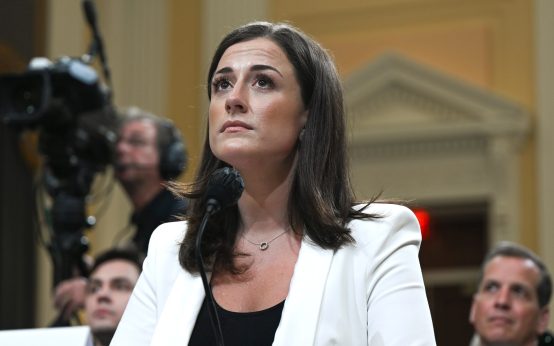 DOJ Investigates Former Trump Aide Amid Defamation Suit
 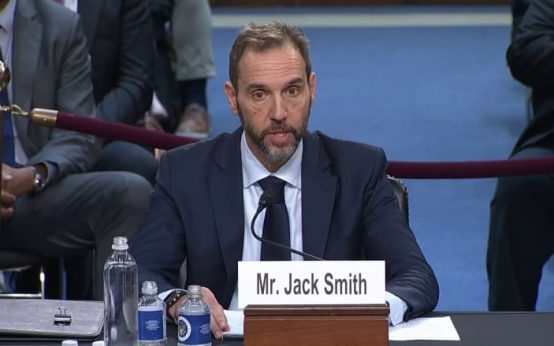 Key Developments from Today’s News
  Key Events in Politics and Technology: U.S. and U.K. Developments