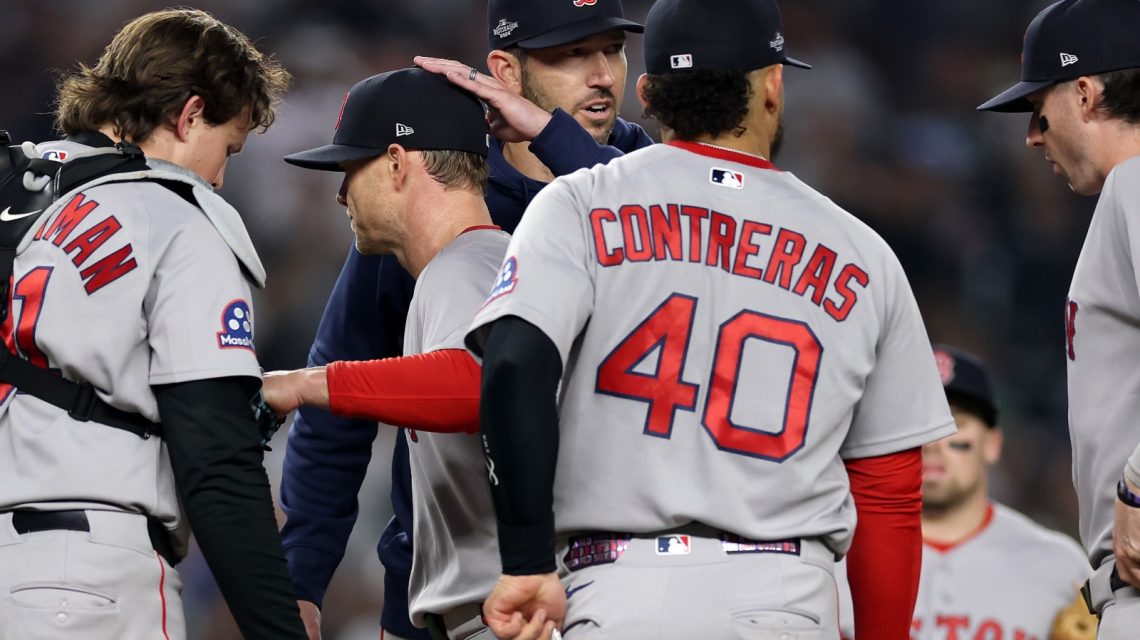
The decision by Boston Red Sox manager Chad Tracy to remove pitcher Sonny Gray in a critical game has sparked debate. Despite available data suggesting Gray should remain, Tracy chose to take him out, igniting conversations across Boston and beyond. This occurred during a series against the New York Yankees on Sept. 30, where the Yankees completed a sweep in the American League wild-card playoff. The removal of Gray has raised questions about the use and interpretation of analytics in baseball.
In Game 2 of the series, Tracy pulled Gray out with two outs in the fifth inning while two runners were on base, and the team was down by one run. Erik Miller, a left-handed reliever, replaced Gray, yet Cody Bellinger, the next batter, managed a single that extended the Yankees’ lead to 2-0.
Analytics involves using quantitative data to shape decisions in sports. Usually, removing a starting pitcher like Gray for a reliever in such situations aligns with conventional wisdom. The Yankees had cycled through their lineup, and Bellinger, a left-handed hitter, would face Gray, a right-handed pitcher, for the third time. Typically, this presents a difficult situation for the pitcher.
However, the data didn’t endorse Tracy’s decision. Gray displayed strength with his curveball and sinker throughout the game, according to advanced pitching evaluations. In past matchups, Gray’s pitches caused Bellinger to swing and miss frequently. Additionally, Gray’s third-time-through-the-order xwOBA in 2026 stood at .231, showing his effectiveness later in the game, surpassing his performance in earlier innings.
Many baseball experts believe the optimal choice was to entrust Gray with the mound given the analytics. Tracy chose to rely on instinct, a decision he acknowledged after the game. He felt urged to act aggressively due to the team’s struggle to score runs and their trailing position.
Criticism soon followed, with media questioning Tracy’s perceived over-reliance on analytics. There were mentions of the influence of Driveline, a consulting firm that worked with the Red Sox but withdrew earlier in the year. Yet, the event suggests a lack of reliance on data when most crucial.
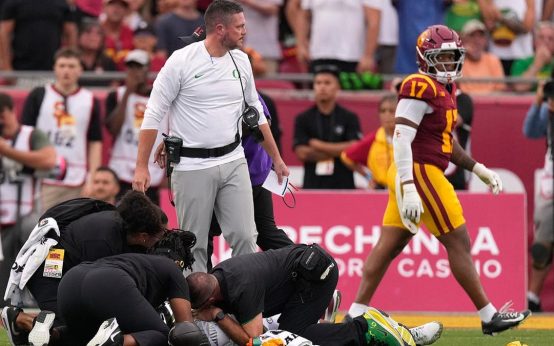 Oregon Legend Dan Fouts Reflects on Football’s Violent Nature
  Dodgers Face Braves in NLDS: Game 1 Overview
 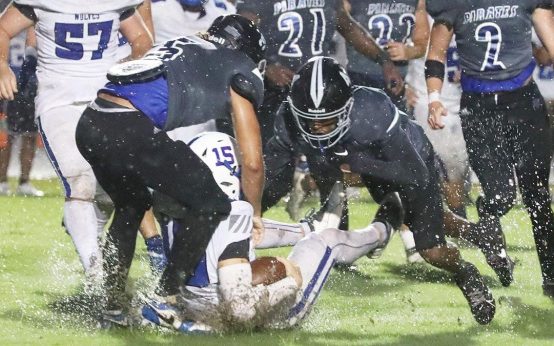 High School Football Game Ends with On-Field Brawl
 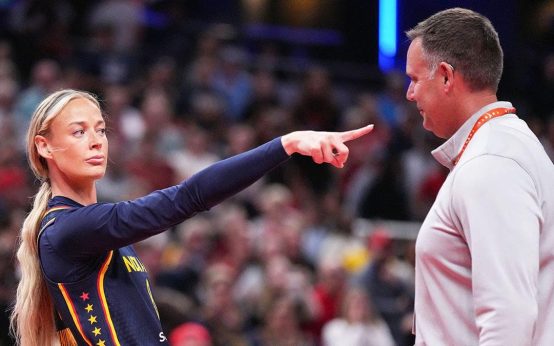 The Indiana Fever’s Heartbreaking Season Finale Against Las Vegas Aces
  Chicagoland High School Football Teams’ Week 7 Results
  An Inside Look at Northwestern’s New Ryan Field