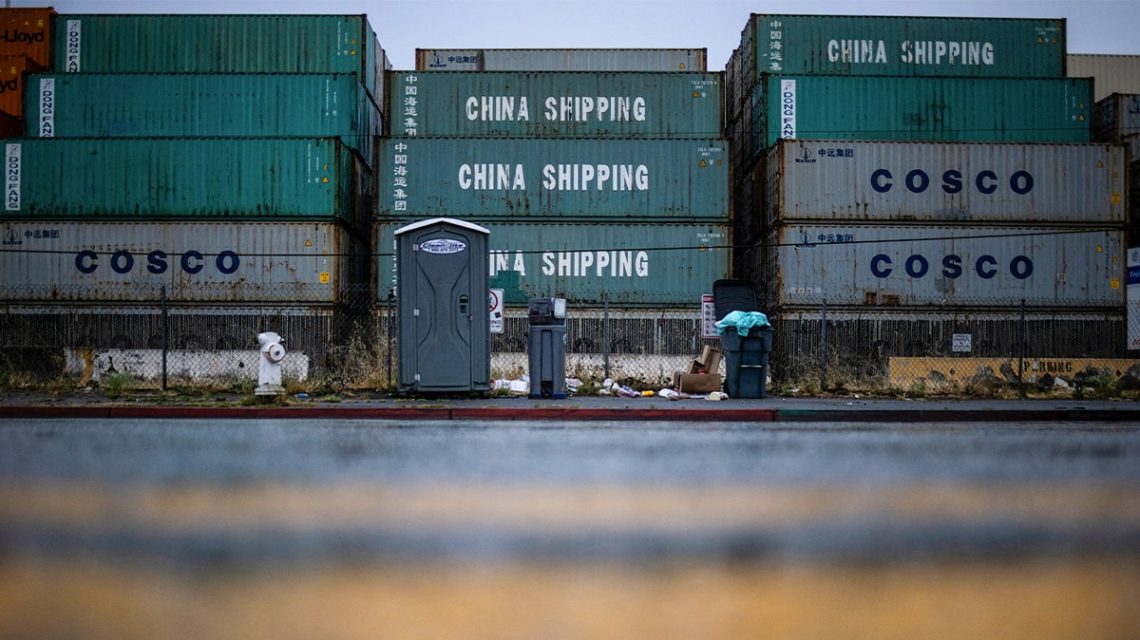
In December 2001, China formally joined the World Trade Organization (WTO), gaining expansive access to the global economy. This monumental shift occurred after the United States granted China permanent normal trading relations status, a privilege typically reserved for close allies. Reflecting on this decision, I realize it was the most regrettable vote I cast during my 14 years in the Senate.
Since then, China has transformed into an economic and military force. Unfortunately, it has wielded this power with malicious intent. The government has committed acts of genocide against Uyghurs, Tibetans, and Falun Gong practitioners. Additionally, China has built alliances with authoritarian regimes, threatening global freedom and enabling human rights violations worldwide. Militarily, China is enhancing its nuclear arsenal and expanding its naval fleet, which now surpasses that of the United States.
Permitting China into the WTO was a significant policy misstep for the U.S. We wrongly assumed that integrating a communist China into the global economy would lead to increased openness and freedom.
This assumption has proven gravely erroneous. It is overdue to revoke China’s permanent normal trade relations status with the U.S. We are engaged in a new Cold War. We never extended such trading privileges to the Soviet Union, our adversary in the struggle between communist dictatorship and capitalist democracy.
The Chinese communists have adopted a different tactic. They pretended to be allies until they were strong enough to contest our position. Despite their rhetoric, their true goal is global dominance. They have been in conflict with us for decades, and only now are we becoming aware.
Historically, denying the Soviets market access hindered their ability to sustain their military efforts. When they could not financially compete with President Ronald Reagan’s defense initiatives, their economy collapsed. We curtailed their power then, and we can do it once more.
We should propose a clear ultimatum to the Chinese Communist Party: grant religious freedom universally, or face a strategic economic disengagement from the West. This approach could resemble a ‘Helsinki Accord 2.0,’ where the West insists on human rights enhancements in China as a condition for continued market access.
Such a demand would ignite reformist sentiments within China. The potential withdrawal of American markets would severely impact China’s economy. To retain economic ties, China would need to provide its citizens with basic human rights.
If China refuses, America and Western allies gain stronger grounds to justify decoupling our intertwined economies. It would be a message to the American public about the inappropriateness of trading freely with China’s oppressive regime. If Chinese citizens lack the freedom to choose their spiritual path, we should not financially support such a repressive government.
Democracies possess the unique ability to recognize and rectify errors. Twenty-five years ago, the free world erred, and now is the time to amend that mistake.
Sam Brownback, who served as ambassador at large for International Religious Freedom, now co-chairs the International Religious Freedom Summit. His perspectives shed light on the need for a strategic policy reassessment.
 School Choice and the Texas Education Debate
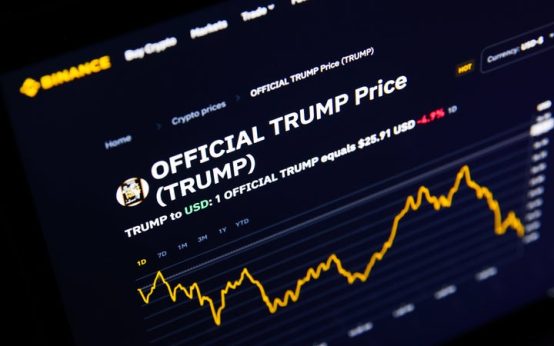 Trump’s Cryptocurrency Ventures and Their Impact on Supporters
 Amy Klobuchar’s Challenge as Minnesota Governor
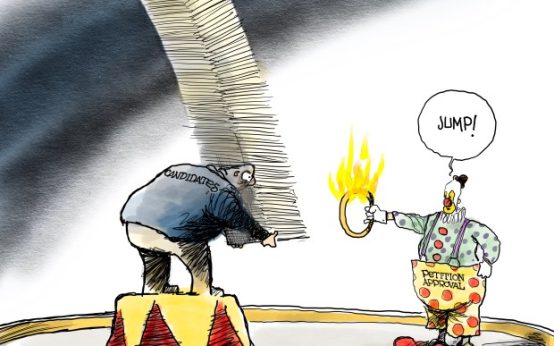 The Purpose and Challenges of Signature Collection for Political Candidates in Illinois
 Gray Wolves Stir Controversy Over Wildlife Management
 Trump’s Push for Bipartisanship with Democrats