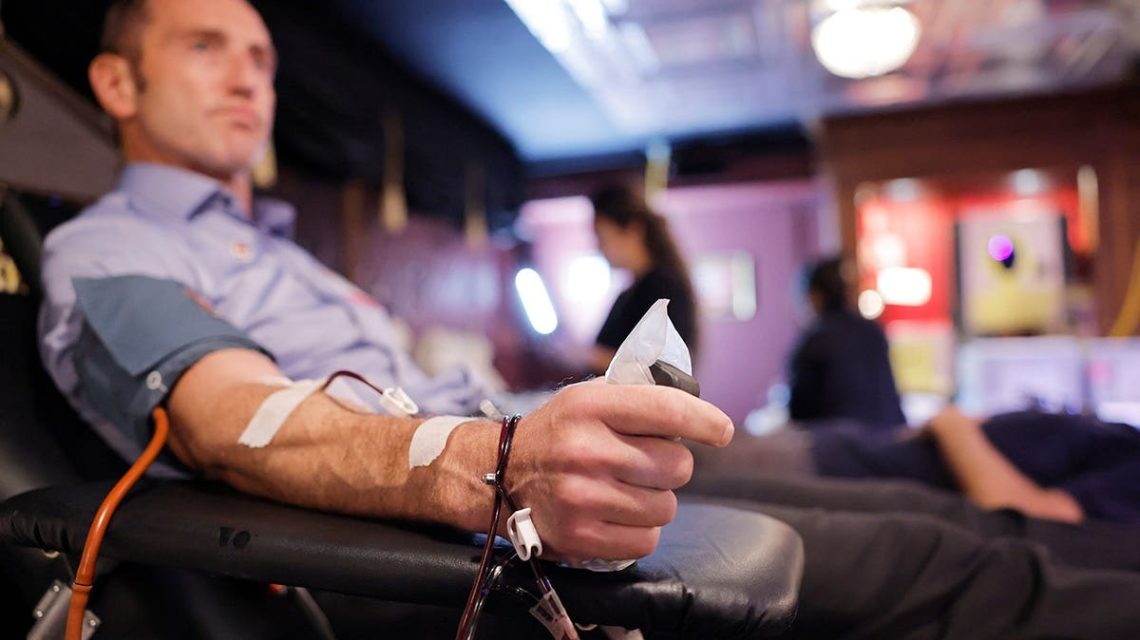
The American Red Cross has announced a critical blood shortage across the United States. The organization warns of a national blood crisis, as donations have dropped to a four-year low during the summer. This decline is causing a severe shortage, threatening the availability of essential blood supplies.
Dr. Baia Lasky, medical director for the Red Cross, emphasized the urgent need for type O blood donations. This blood type is crucial for both everyday medical care and emergency situations. Currently, the Red Cross has less than a one-day supply of type O positive blood, which accounts for about 60% of its distributions. Type O positive is the most commonly transfused blood type, with the ability to be safely given to approximately 80% of patients. In contrast, type O negative blood is universal and utilized in critical situations when time is a factor.
Factors like extreme heat, poor air quality, and foodborne illnesses have further reduced donor turnout this summer. This decrease in donations has intensified the crisis. The Red Cross states that an additional three donors per blood drive could help resolve the shortage and stabilize the supply. To assist, individuals can schedule donations through the Blood Donor App, by visiting RedCrossBlood.org, or by calling 1-800-RED CROSS (1-800-733-2767).
Chris Hrouda, president of Red Cross Biomedical Services, reiterated the severity of the situation, stating that the Red Cross has taken extra steps to safeguard the blood supply since the first national crisis in January 2022. Despite these measures, the summer has seen a lag in donations compared to hospital needs, putting significant strain on blood inventories. Hrouda urges eligible donors to make appointments to give blood as soon as possible, as every donation has the potential to save lives.
 Managing Distress and Discomfort Effectively
  Trump Administration Seeks to Influence NIH Grantmaking
  Understanding School Shooting Preparedness Drills
  Addressing the Complex Issue of Suicide and Its Prevention
  Quality of Sleep Linked to Risk Reduction in Various Diseases
  Exploring Diets and Their Potential to Reduce Alzheimer’s Risk