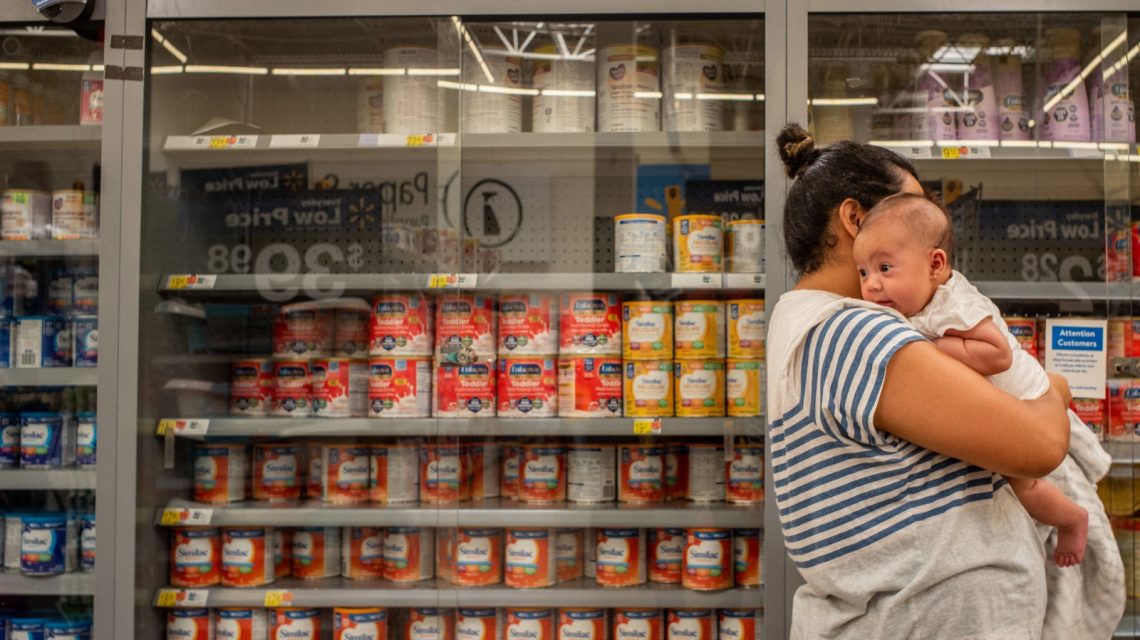
Call for Increased Regulation
Republican lawmakers urge the Secretary of Health and Human Services, Robert F. Kennedy Jr., to enhance federal oversight of infant formula. They emphasize the need for stricter protections against contaminants such as heavy metals.
A majority of infants will consume formula within their first year, either solely or alongside breast milk. Despite a recent FDA study affirming the safety of the U.S. formula supply, lawmakers and consumer advocates insist on formal limits and increased transparency to assure parents of product safety.
Two congressional bills push for regulations setting contaminant standards and research on toxic metals, aiming to bolster consumer confidence.
Details of the Proposed Bills
Florida Representative Brian Mast introduced the FORMULA Act of 2026, aiming to amend the Federal Food, Drug, and Cosmetic Act. The legislation mandates Kennedy to establish maximum permissible contaminant levels in infant formula. The proposed regulation considers factors like the impact on infant neurodevelopment, contamination prevalence, and the bioaccumulative nature in the human body.
The bill requires a practical approach considering current technology and costs. Mast emphasizes that enforceable limits will ensure the safety of formulas for children. Manufacturers will need to maintain testing records and report to Congress annually.
Contaminants like polyfluoroalkyl substances, microplastics, phthalates, synthetic pesticides, and biological toxins are targeted. Supporting the bill, Representative Buddy Carter, a co-sponsor, stresses the importance of ensuring nutritious, safe meals for infants.
Additionally, the Safe Baby Formula Act of 2026, introduced by Representative Tom Barrett, instructs HHS to study arsenic, lead, cadmium, and mercury in formulas. This act will set action levels and assess enforcement feasibility, especially concerning domestic food security amid past formula shortages.
Barrett highlights the necessity for reforms to provide transparency and access to safe options for families nationwide.
Current Concerns and Testing
Consumer advocates highlight the lack of enforceable contaminant limits in the U.S. compared to other countries. This concern grew post-Consumer Reports findings on heavy metals in formulas, prompting regulatory scrutiny.
Consumer Reports revealed that half of 41 tested powdered formulas contained harmful contaminant levels. Issues like naturally occurring arsenic, a carcinogen, are prevalent. Abbott, maker of Similac, assures that their products meet European standards.
While no specific arsenic limits exist for formulas, the EPA sets a 10 ppb limit for drinking water. FDA testing showed U.S. formulas generally safe, with most samples displaying low contaminant levels. Parents are assured transparency and accountability regarding formulas.
Formula Safety and Preparation Advice
FDA results confirm the safety of most U.S. formula products. Consumer Reports, however, indicated that some products had notable contaminant differences. Preferred choices by the organization had undetectable or very low contaminant levels.
Recommended products included: Enfamil Infant Formula concentrated, Similac 360 Total Care ready-to-feed, and Earth’s Best varieties.
Pediatricians suggest formulas based on nutritional needs, availability, and infant tolerance. Consultation with healthcare providers is advised before changing formula types.
Water Quality Considerations
While lawmakers focus on formula safety, water quality is also crucial. Heavy metals can exist in water used for formula preparation. Experts recommend understanding local water quality and using filtered or boiled water.
Ready-to-feed formulas do not require water, reducing contamination risks. Parents are advised to follow manufacturer instructions and consult healthcare providers regarding water use.
The debate focuses on ensuring formula safety as lawmakers stress the need for regulatory improvements. Secretary Kennedy’s response could influence the future direction of formula safety standards.
 President Trump to Discuss Health Alert with Putin Amid Pneumonic Plague Concerns in Siberia
  Barriers in Affording GLP-1s in America
  Rising Support for Medicare for All in the United States
  Controversial Death in Russia Sparks Concerns
  10 Key Principles for Healthy Longevity
  Russian Scientist’s Death Raises Concerns Over Plague Exposure