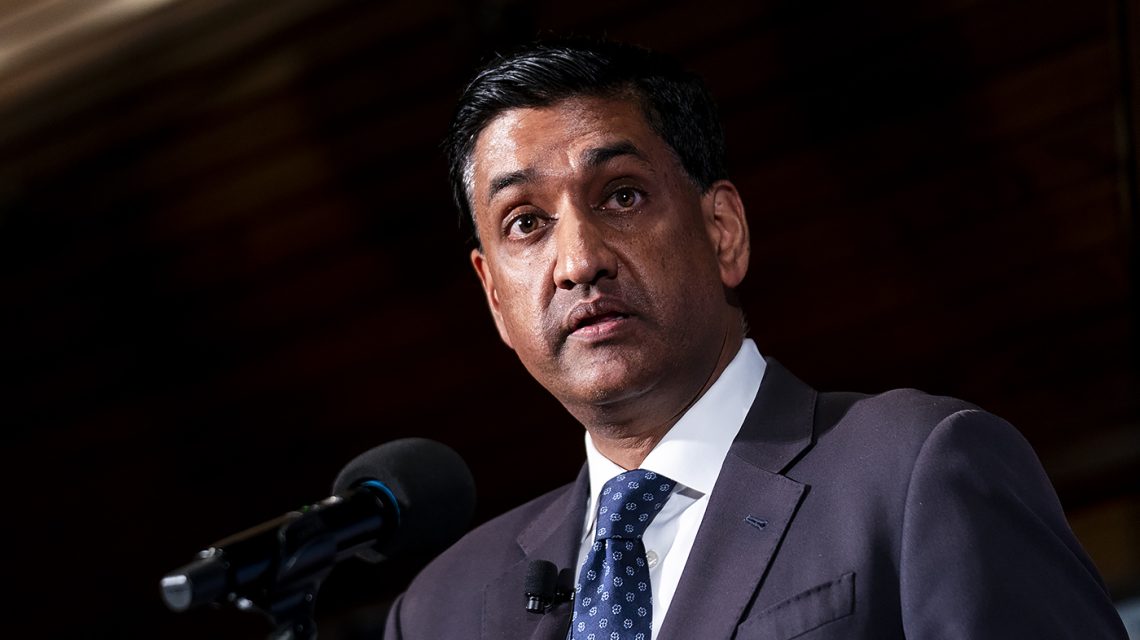
During a recent event at the National Press Club in Washington, D.C., Rep. Ro Khanna (D-Calif.) addressed issues surrounding protests in Europe. Recent unrest in Paris and other parts of Europe has seen anarchists causing significant destruction. Businesses were looted and set on fire. Amidst this chaos, Khanna seemed to express solidarity with the protesters while critiquing Vice President JD Vance.
In a post on X, Khanna wrote: From the high schools of France to the streets of Madrid to the universities of Tirana, young people are telling their governments the same thing: In an age of massive wealth inequality, they want a future they can believe in. …@JDVance says this is what happens when a nation lets in too many immigrants from the global south. He is not just morally wrong, but misreading the moment. This is what happens when nations let wealth and power accumulate in the hands of a few.
Khanna’s comments raise questions about whether these are protests by genuine students or orchestrated by paid anarchists.
Critics accuse Khanna of hypocrisy. As one of the wealthiest members of Congress, he himself represents the accumulation of wealth and privilege he criticizes. Since entering Congress in 2017, Khanna’s net worth has reportedly grown significantly, from at least $27 million to over $340 million.
Some argue that protests should remain non-destructive and question the effectiveness of looting and arson as protest methods. The writer, Douglas MacKinnon, identifies as someone who experienced poverty and questions this approach. MacKinnon suggests that Khanna’s comments may serve a political purpose, potentially positioning himself for a future presidential run by targeting Vance.
The article highlights the differing backgrounds of Khanna and Vance. Vance, known for his memoir Hillbilly Elegy, appeals to the working class, emphasizing a pro-sovereignty and controlled immigration stance. The belief is maintained that nations need defined borders to maintain their identity and functionality.
There’s concern that the unrest seen in Europe might spread to the United States. Observers note that while France struggles economically, the welfare state and open immigration policies are contributing factors. Those supporting Vance’s viewpoint stress that someone must work and pay taxes, as nothing is free.
In summary, working-class Americans contend that the European protests are exploited by those taking advantage of instability rather than genuinely advocating for change. Civil protest is valued, but violence and destruction are not. The writer suggests that Vance could offer a compelling counterpoint to Khanna’s views on addressing these challenges.
 Trump’s Misinformation About Uncle’s Role in Radar Development
 Trump Claims Democrats Conceded Omar’s Seat Over Name Controversy
 Analysis of Michigan Senate Race and Allegations
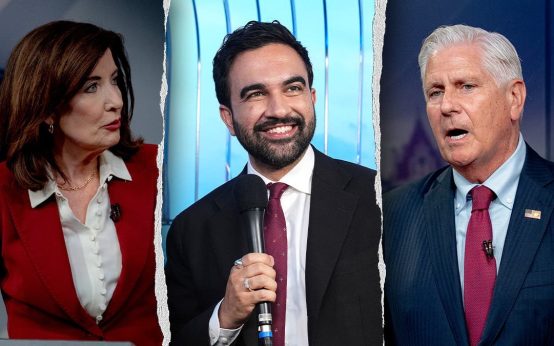 Blakeman Criticizes Hochul’s Alliance with NYC Mayor Mamdani
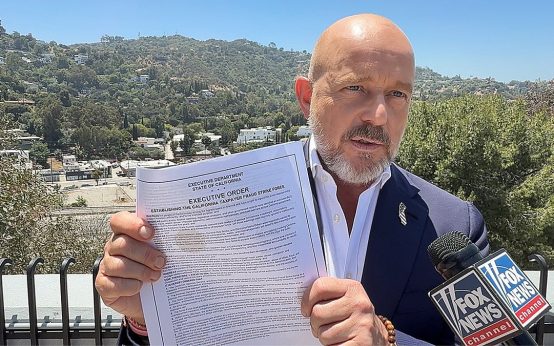 Debate Over High-Speed Rail Highlights California’s Challenges and Political Landscape
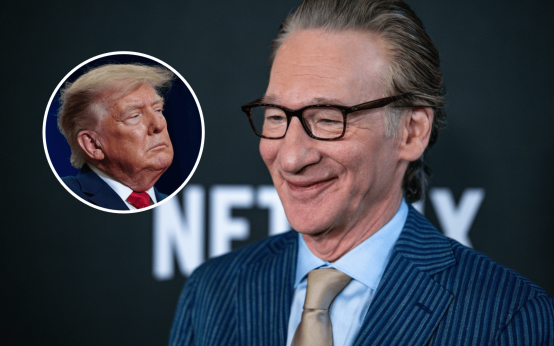 Trump Criticizes Bill Maher After Dinner Meeting