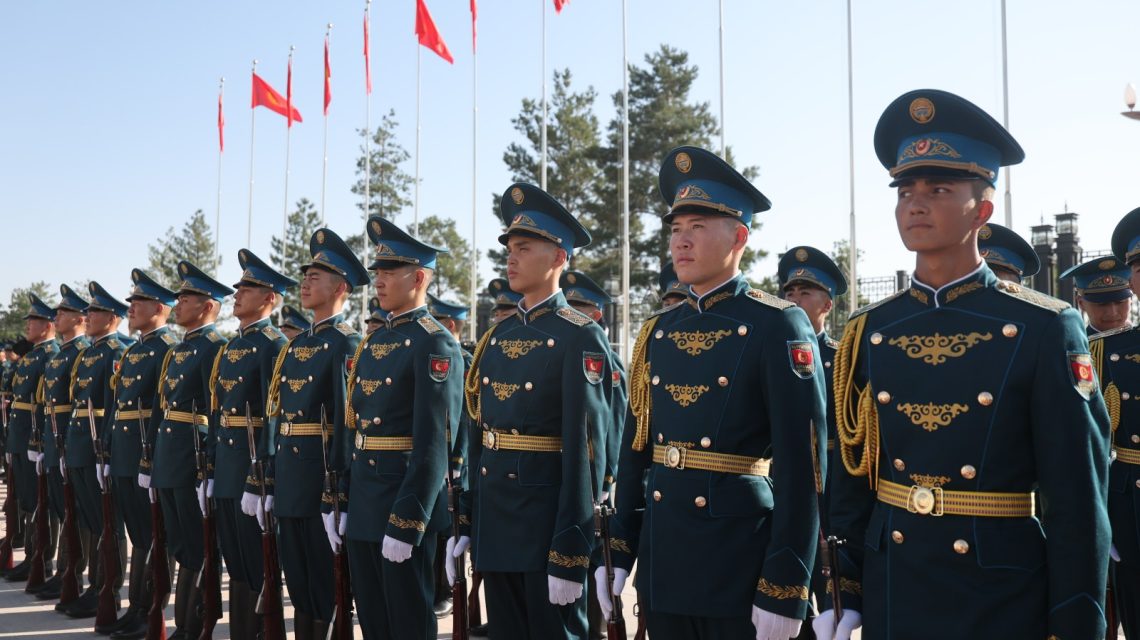
As a severe humanitarian crisis unfolds at the Nepal-Tibet border, Xi Jinping opts to travel to Kyrgyzstan to exert his influence at the Shanghai Cooperation Organization (SCO) summit. Despite the critical situation in Nepal, China’s focus is on strengthening ties within the SCO, commemorating its 25th anniversary in Bishkek.
The summit gathers leaders such as Vladimir Putin of Russia, Narendra Modi of India, and Iran’s President Masoud Pezeshkian alongside Xi. His presence emphasizes more than mere diplomacy. Xi leverages this opportunity to project China’s global leadership and prepares for an upcoming state visit to the United States in September.
In the past year, China has hosted numerous foreign leaders, including President Donald Trump. Xi’s current engagements, such as the SCO summit and the forthcoming BRICS gathering, aim to reinforce China’s prominence. His recent visit to North Korea underscores his diplomatic agenda.
Not About America
The SCO began as the “Shanghai Five,” resolving Cold War border tensions. With Russia agreeing on territorial disputes in 2008, the organization evolved into a strategic platform dominated by nations skeptical of American influence. For China, the SCO is a vehicle to promote global initiatives like the Global Security Initiative and strengthen the yuan’s international role.
Kyrgyzstan, hosting the summit, utilizes the SCO to balance Moscow’s influence by encouraging Chinese strategic interests. This strategy raises concerns for Putin, although other matters occupy his agenda.
India, another crucial player, is caught between East and West influences. Recent negotiations between Indian National Security Adviser Ajit Doval and Chinese Foreign Minister Wang Yi signal a mutual avoidance of border conflicts during these tense times.
The SCO, comprising ten members, represents over 40% of the global population and a quarter of GDP, challenging Western dominance with diverse political models. China’s leaders, targeting equality with the West, push for acceptance in global governance, striving for legitimacy.
Xi’s Moment in the Sun
Skepticism surrounds the SCO’s potential to counter the “collective West,” given internal conflicts among member states like Russia and Iran, and tensions involving India, Pakistan, and Afghanistan.
However, adversaries of America continue organizing, developing trade routes around the Caspian Sea to bypass U.S. naval risks. Economically, China leads the SCO, being the top trade partner for eight of its nine members, able to match the U.S. in trade conflicts.
This year’s summit focuses on alternative narratives, offering rhetorical backing to Iran. Xi embraces the responsibility of representing the anti-Western bloc as he prepares for his U.S. visit in late September.
Xi’s stance aims to showcase control, as noted by Finland’s President Alexander Stubb in a recent interview. Stubb believes Xi will prevent any nuclear escalation by Putin amid the Ukraine conflict.
China’s diplomatic moves are causing concern in Europe, suggesting leniency towards Russia short of crossing Beijing’s red lines. Trump may require Xi’s assistance with the ongoing Iran conflict, complicated by uncertain Republican election outcomes.
As Xi purges allies within China’s military leadership, he communicates a message to Trump: China’s internal affairs are stable. The implication for the U.S. is a call to evaluate its own position.
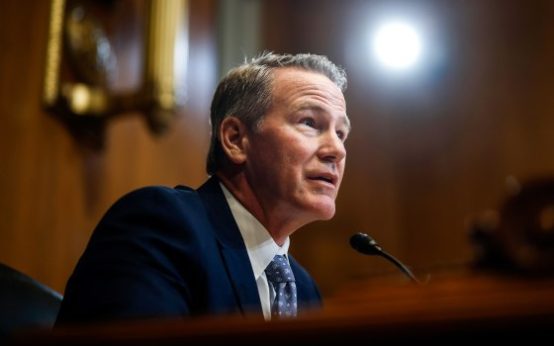 Sen. Jon Husted Faces Challenges in Senate Race
 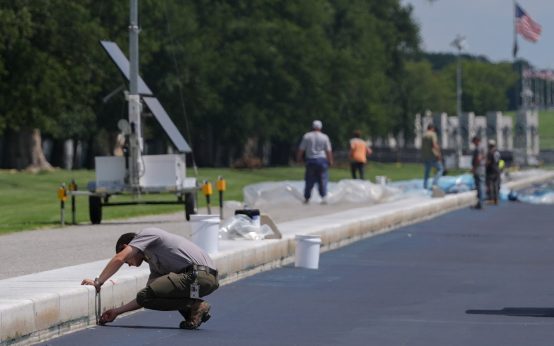 Dispute Over Lincoln Memorial Reflecting Pool Damage
  President Trump Stands Firm on Data Centers Amid Rising Opposition
 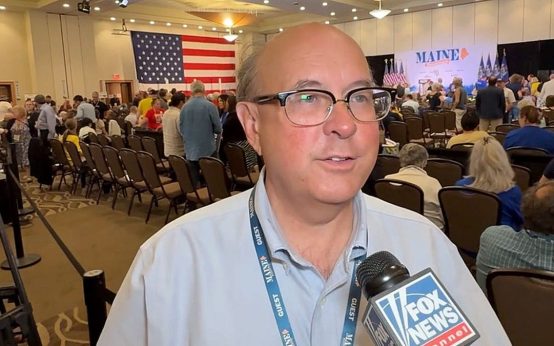 Maine’s Auditor Matt Dunlap Addresses Medicaid Fraud Concerns Amid Congressional Race
  Pentagon and Washington Post Clash Over Leaks
  The Paradox of Trump’s Enduring Attention