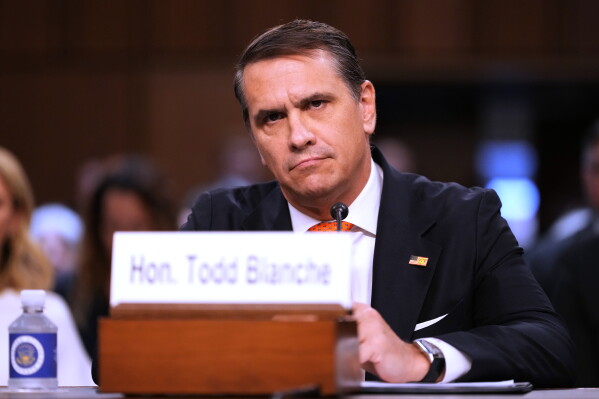
In discussions with Republican senators vital for his confirmation as attorney general, Todd Blanche decided to cancel a $1.8 billion fund intended to benefit President Donald Trump’s political allies. However, the audit immunity plan that protects Trump, his sons, and the Trump Organization endured, with adjustments to satisfy the senators but still potentially forgiving Trump’s significant back taxes.
In a letter sent to lawmakers on Sunday, Blanche clarified that the audit immunity, established as part of a settlement of Trump’s $10 billion lawsuit against the IRS, does not shield Trump from scrutiny over future tax returns. It is retroactive, applying only to claims existing at the lawsuit’s conclusion.
These assurances seemed sufficient for Republican senators who opposed the fund and audit immunity, likely smoothing the path for Blanche’s approval as attorney general. Nevertheless, the political compromise leaves intact an extraordinary agreement regarding Trump’s taxes, inciting bipartisan concern and challenging trust in the tax system’s fairness.
Originally, Trump’s audit immunity was part of a controversial settlement to address Trump’s lawsuit against the IRS stemming from leaked tax returns. The $1.8 billion “anti-weaponization fund” in the deal generated criticism from both sides. The settlement’s initial outline, detailed in a single document signed by Blanche, indicated that the U.S. would be permanently restricted from examining or pursuing legal action concerning Trump’s current tax filings and those of related individuals.
The document sent to Senators John Cornyn and Thom Tillis limited the investigation timeframe and audit protection scope, focusing exclusively on Trump, Eric Trump, Donald Trump Jr., and the Trump Organization. Although the exact amount Trump owes in back taxes is unknown, the new deal structure might absolve over $100 million in taxes, according to prior reports from the New York Times and ProPublica.
Some legal analysts and officials have raised concerns about the lawfulness of such protections. Dan Greenberg, senior legal fellow at the Cato Institute, commended Blanche’s formal rejection of the anti-weaponization fund while criticizing the audit immunity as a result of an illegitimate settlement.
Judge Kathleen Williams of the U.S. District Court previously ruled that Trump’s lawsuit against the IRS was filed without proper intentions. She did not nullify the deal exempting Trump from tax investigation but asserted that the agreement was not based on legitimate legal practices. Trump has since appealed the decision.
Responses were not immediately received from the White House, IRS, Treasury, or Trump’s legal team regarding correspondent inquiries.
In Blanche’s attempts to reassure senators about halting the fund, some experts argue the audit immunity may contravene an IRS statute against executive branch meddling in tax audits. This statute, a post-Watergate measure, prevents the president or presidential staff from influencing audits, though the attorney general might intervene.
Nina Olson from the Center for Taxpayer Rights criticized the settlement as a major setback for the IRS. Although Blanche has affirmed under oath and in recent communications that the Trump administration is not pursuing the fund, Trump has conveyed a different message on social media, indicating intentions to revive the fund if Blanche’s confirmation does not proceed.
NYU Tax Law Center’s Policy Director Brandon DeBot insists congressional action is crucial to ensure the fund remains terminated, with Democrats advocating for additional measures to prevent future revival attempts. Blanche’s directions do not completely avert the possibility of compensating Trump allies through existing procedures for claims against the government, including individuals involved in the January 6 Capitol incident.
Greenberg remarked that Blanche’s reassurances represent an effort by senators to negotiate firmly, but upon closer examination, it appears less robust.
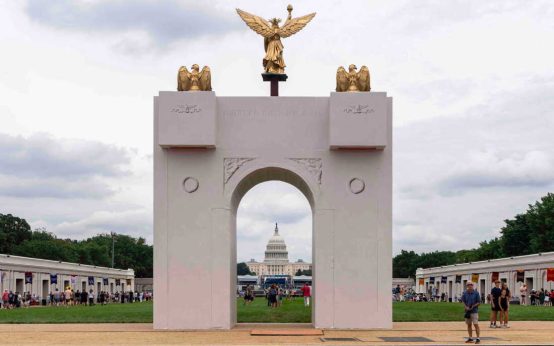 Trump’s Triumphal Arch Controversy
 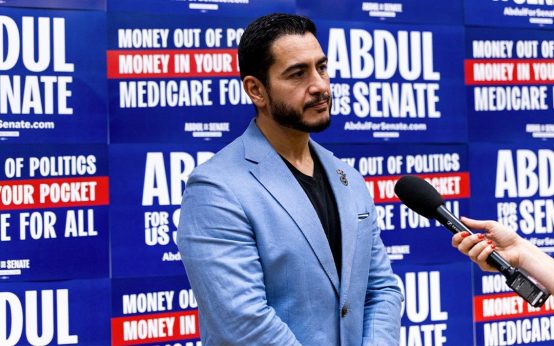 Concerns Over Abdul El-Sayed’s Potential Senate Role and National Security
 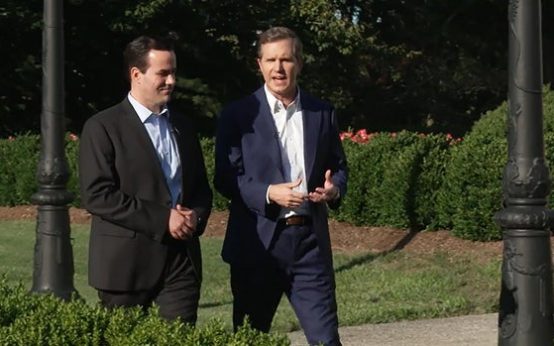 Kentucky Governor Andy Beshear Discusses Tariffs, Faith, and Political Ambitions
 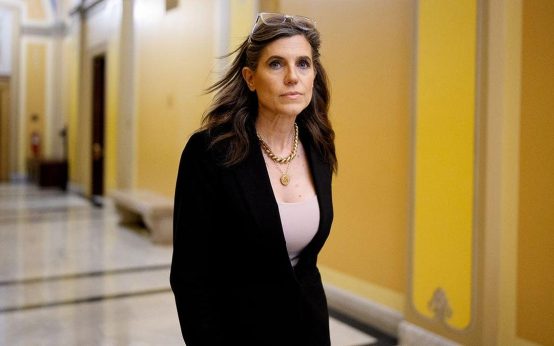 Sunday Highlights: Lane Kiffin, Nancy Mace, and College Football Drama
 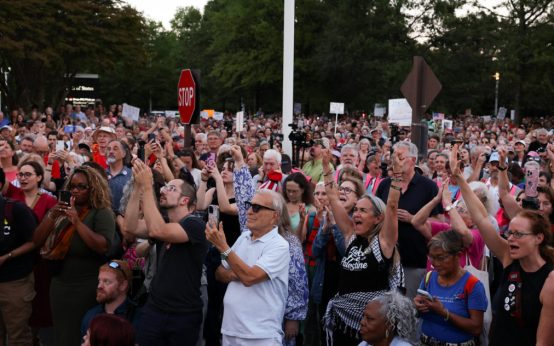 Protesters Rally Against Plans for Kennedy Center
 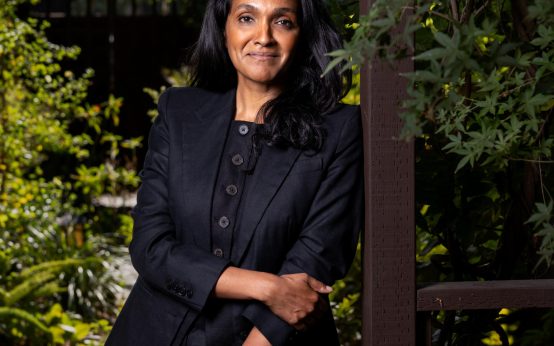 Nithya Raman: A Passion for L.A.