
In the early hours of Saturday, senators concluded their session following a tense standoff over President Donald Trump’s demand for the passage of a stringent proof-of-citizenship voting bill. Although they closed several important issues during the overnight votes, the SAVE America Act, advocated by Trump, did not progress.
Republican senators, initially causing a legislative halt, conversed with Trump about an alternative. They proposed incorporating parts of the voting bill into a broader GOP budget package when they return in September. The plan includes funding the Iran war and replenishing the Pentagon.
Sen. Ron Johnson, a key figure in the GOP budget committee, stated, “Obviously, with the president at his direction, this is what he wants to do.” He was joined by Sens. Mike Lee and Rick Scott after their conversation with Trump. This incident illustrates Trump’s significant influence on Congress’s agenda.
The president’s lobbying efforts faced resistance from Senate Majority Leader John Thune and other Republicans. Trump’s insistence on bypassing the filibuster rules to push the SAVE America Act past a 60-vote threshold encountered opposition. Thune and others have attempted to balance Trump’s demands with the political reality of a slim GOP majority.
Sen. Mitch McConnell’s absence further complicates the majority calculation. Thune expressed, “I think everybody’s, for the most part, on the same page,” referring to the senators’ call with Trump. The Senate will eventually need to address budget issues.
During the lengthy session, Thune achieved several objectives set by Trump. The Senate confirmed Todd Blanche as attorney general, passed a Russian sanctions package to aid Ukraine, and approved a bipartisan government funding package to avoid a shutdown. However, the attempt to advance a reduced voting bill requiring IDs for federal elections failed due to party-line opposition from Democrats.
Trump’s SAVE America Act sparked widespread online support among his allies. Encouraged by activists, a group led by Lee resisted adjourning without progress on the bill. Thune convened the Republican caucus for a strategy meeting amid deepening tension over the issue.
After regrouping, Johnson reported, “We had about a two-hour conference meeting trying to figure out what we need to do to accomplish what the president wanted.” Discussions with Trump followed, but Lee admitted disappointment with the result, acknowledging the political complexities involved.
As dawn approached, the Senate call for adjournment faced objections from Lee and others. Nonetheless, the voice vote favored adjournment, marking the end of the session.
 Calls Grow for Ireland’s Soccer Team to Boycott Matches Against Israel
 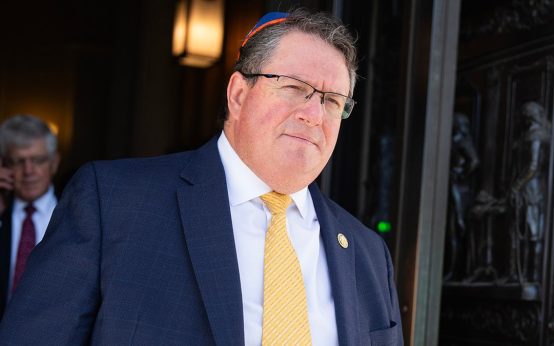 Congressman Randy Fine’s Bold Political Stance and Views on AI Regulation
 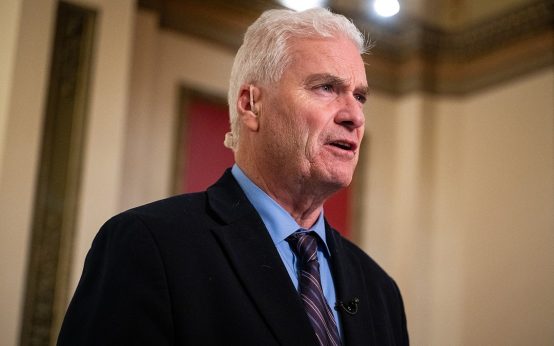 Political Messaging and Strategy Leading Up to Midterms
  President Trump Proposes ‘Super Intelligence’ as New AI Term
  Trump Administration Considers Diesel Export Ban Amid Rising Prices
 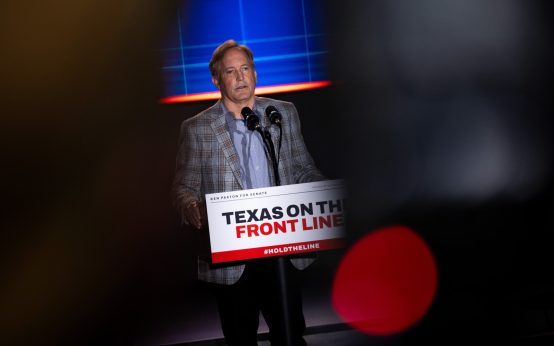 Texas Senate Race Tightens with Shifting Youth Support