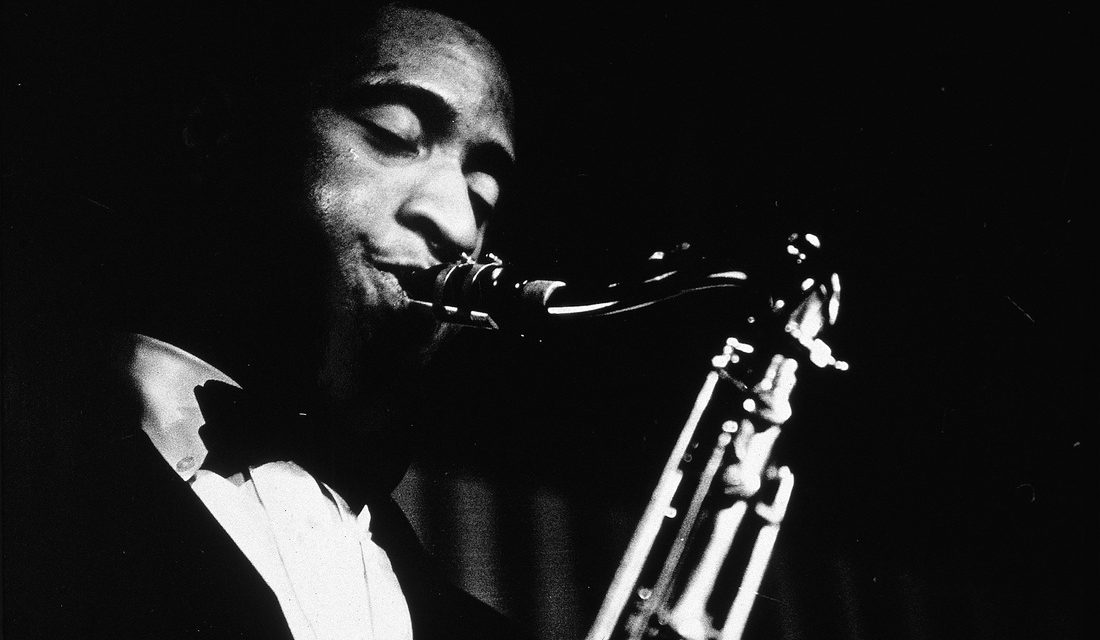
Theodore “Sonny” Rollins, a saxophonist known for his profound tone and endless improvisations, passed away. He died at his home in Woodstock, N.Y. at the age of 95. Rollins left a legacy in the world of jazz.
Rollins achieved numerous accolades. He was a National Endowment for the Arts Jazz Master and received both a Kennedy Center Honor and the National Medal of the Arts. Recognized as a modern jazz icon, he saw his art as his true life’s work. He told NPR, “All these prizes are nice, I appreciate them. I don’t go crazy about them — you have to do your work whether you’re recognized or not. The real deal is doing the best you can do it and that’s its own reward.”
His love for playing the tenor saxophone was unmatched. Rollins was celebrated globally as a pivotal figure in transforming jazz into a personally expressive art form, while still maintaining its entertainment value. Born on September 7, 1930, in New York City, Rollins grew up in the vibrant jazz community of Sugar Hill, Harlem. Neighbors included influential jazz figures like Jackie McLean, Art Taylor, and Kenny Drew.
Despite his parents’ concerns, who hailed from the Virgin Islands, Rollins’s passion for jazz was unstoppable. He became notable not just for his sound but also for his striking appearance, featuring a mohawk long before it became fashionable. During the late 1950s, Rollins took a break from performing. He practiced alone on the Williamsburg Bridge, leading to his celebrated return with the album “The Bridge” in 1962.
“I think when I’m playing completely spontaneous, just something comes out from somewhere, that’s my best work,” Rollins stated in an interview with NPR.
Rollins’s versatility stood out. He embraced various musical styles, from calypsos to cadenzas. He wrote the theme for the film “Alfie,” played with the Rolling Stones, and performed a spirited version of Stevie Wonder’s “Isn’t She Lovely.” His unique sound, remarked upon by pianist Joanne Brackeen, was his trademark. “He’s got a sound that is him,” Brackeen said. “You hear just a couple of seconds and you know who that is. You can hear the whole energy of his being, in every note.”
Rollins’s approach to music was driven by personal preference, not commercial interests. He eventually established his own label, Doxy Records. Nevertheless, he recognized the challenges posed by the industry’s corporate elements. “The corporate culture is anathema to jazz,” Rollins mentioned. “We’re about creation, freedom, thinking things out in the moment, like life is. Life changes every minute. A different sunset every night, that’s what jazz is about.” Above all, Sonny Rollins truly understood jazz.
 Ed Sheeran’s Philadelphia Concert Amid Controversy
  Memoir Details Ari Emanuel’s Journey in Hollywood
  Ed Sheeran Addresses Gaza Controversy During Concert
  Child Stars Facing Legal Challenges: An In-Depth Look
  Weekend Events in Chicago
  Ms. Rachel’s Rise in Children’s Entertainment