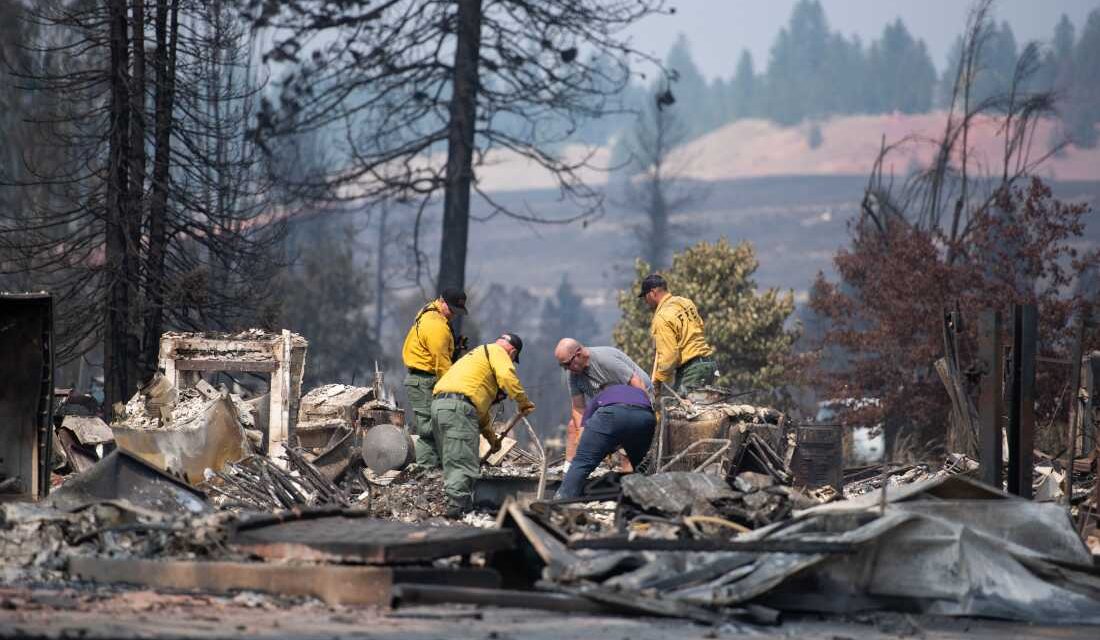
On Tuesday, firefighters and residents sifted through rubble after a wildfire devastated homes in a Spokane, Washington neighborhood. Despite the destruction affecting over 800 structures, the large-scale evacuation of about 65,000 people saved many lives.
Surviving the Flames
Spokane, a metropolitan area of over half a million residents, experienced intense wildfires igniting in wildlands and quickly spreading to urban zones. Emergency management reported no deaths or injuries from the fire, a stark contrast to recent urban wildfires in other areas.
In earlier fires, more than 30 fatalities occurred in Los Angeles’s Eaton and Palisades fires in January 2025. The Lahaina fires on Maui in 2023 claimed over 100 lives, and Boulder, Colorado’s Marshall Fire resulted in two deaths. These fires often start in wildlands but enter cities with closely situated homes.
Spokane was able to evacuate not only neighborhoods but also key facilities, including nursing homes, a dementia care center, and the Veterans Affairs hospital. Spokane County Sheriff John Nowels noted the success of these evacuation efforts as remarkable.
Preparedness and Response
The Old Trails Fire crossed the Spokane River, threatening the homes of Terry and Warren Clark, who managed to evacuate within an hour. Their house, located in the Wildland Urban Interface (WUI), remained unharmed despite the proximity to the fire.
Experts note improvements in fire forecasting and emergency coordination across the West. Hugh Safford, an environmental science professor, highlighted advancements in predicting fire behavior with red flag warnings, providing better readiness.
Spokane had been vigilant, with warnings of extreme heat and wind conditions broadcasted well in advance. These preemptive measures were crucial for minimizing losses.
Addressing Climate and Urban Development Challenges
The inland Northwest, including Spokane, has experienced one of its warmest and driest winters. Local authorities have been wary of such fires for years, conducting evacuation drills to prepare residents in fire-prone areas.
Sarah Nuss, Spokane’s emergency management director, stressed the challenges posed by climate change, leading to hotter summers and reduced precipitation. Expansion into the WUI compounds these risks.
Nuss’s office organized two mass evacuation drills in neighborhoods vulnerable to wildfires, emphasizing the importance of such exercises in preventing potential traffic standstills.
Challenges in Wildland Firefighting
The increased frequency of urban wildfires requires better response data, aiding cities and first responders in managing crises. Yet, broader issues persist, including rapid development into wildlands and the suppression of natural fires necessary for reducing forest fuel.
The job of wildland firefighters grows more perilous, illustrated by the deaths of five firefighters in the previous six weeks. Jose Ibarra, a crew boss trainee, noted the shift in firefighting from forests to urban areas.
While monitoring hot spots, Ibarra emphasized the ongoing risk. “You don’t want it jumping the line and causing more damage to homes,” he said, demonstrating the delicate nature of current firefighting efforts.
 Maritime Expert Investigates Nantucket Shipwreck Exposed by Nor’easter
  Incident on USS Dwight D. Eisenhower Injures U.S. Service Members
  Reparations Debate Heats Up in New York Amid Delays
  Lindsay Clancy Holdout Juror Asks for One Thing in New Video After Mistrial Drama
  Nor’easter Causes Damage and Disruptions Along East Coast
  Cornell University Investigates Gang Rape Allegations