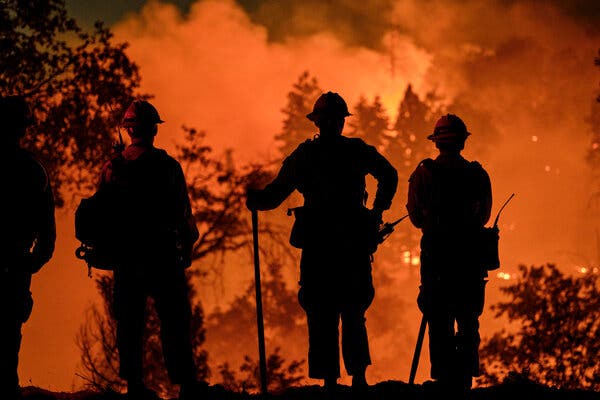
Wildfires can significantly impact air quality, leading to health hazards, especially near active fire zones. Here’s how to monitor air quality and protect your health during such events.
Check Air Quality Levels
Various platforms offer tools to track air quality and wildfire smoke. The New York Times provides maps showing smoke trends across the nation. Additionally, websites like AirNow.gov and Fire.AirNow.gov display the Air Quality Index (AQI) for specific areas, guiding you on outdoor activity safety.
AQI values above 100 suggest potential health risks for vulnerable populations. According to the Centers for Disease Control and Prevention (CDC), health effects may occur at levels between 151 and 200, with elevated risks for sensitive groups. Air quality readings exceeding 200 and reaching between 301 and 500 are deemed “very unhealthy” and “hazardous,” respectively, posing significant health threats.
Assess Your Health Risks
It’s crucial to understand how smoke can impact those with existing health issues. Individuals with respiratory conditions like asthma or chronic obstructive pulmonary disease (COPD) should take extra precautions when air quality deteriorates. The CDC also highlights increased risks for people with chronic diseases such as diabetes, chronic kidney disease, and heart conditions. Children and pregnant women are particularly vulnerable.
Wildfire smoke can affect everyone, not just those with pre-existing conditions. Symptoms of smoke inhalation may include coughing, wheezing, headaches, stinging eyes, scratchy throat, sinus irritation, chest pain, rapid heartbeat, and fatigue. Staying informed and taking appropriate measures is crucial to minimizing health risks.
 Gene Editing’s Ethical Dilemma and Potential
 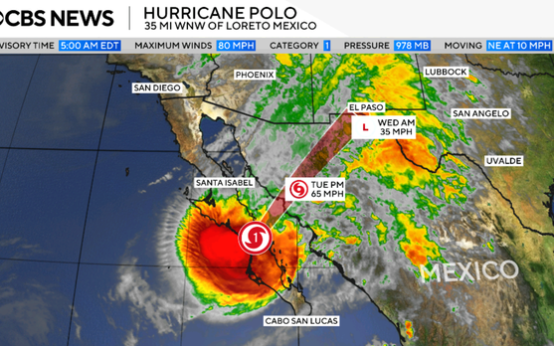 Hurricane Polo Poses Flood Threat as It Approaches Southwestern U.S.
  Hawaii Faces Intense Hurricane Season Amidst Record El Niño
 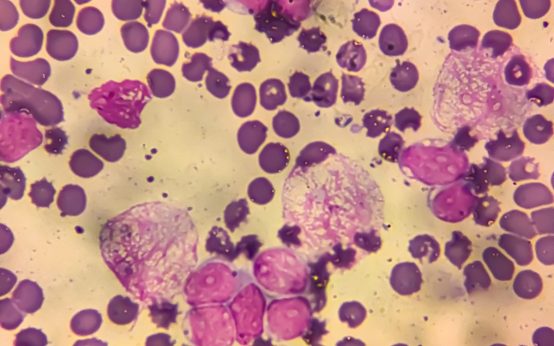 Global Cancer Burden from Infections: Findings for 2024
  Voluntary Recall of Mezzetta Peperoncini Due to Pest Contaminant
 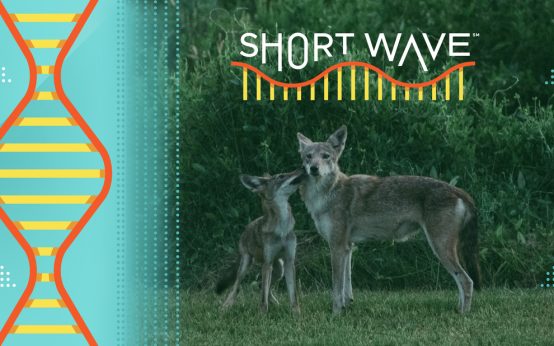 Preserving the Legacy of the American Red Wolf with ‘Ghost Genes’