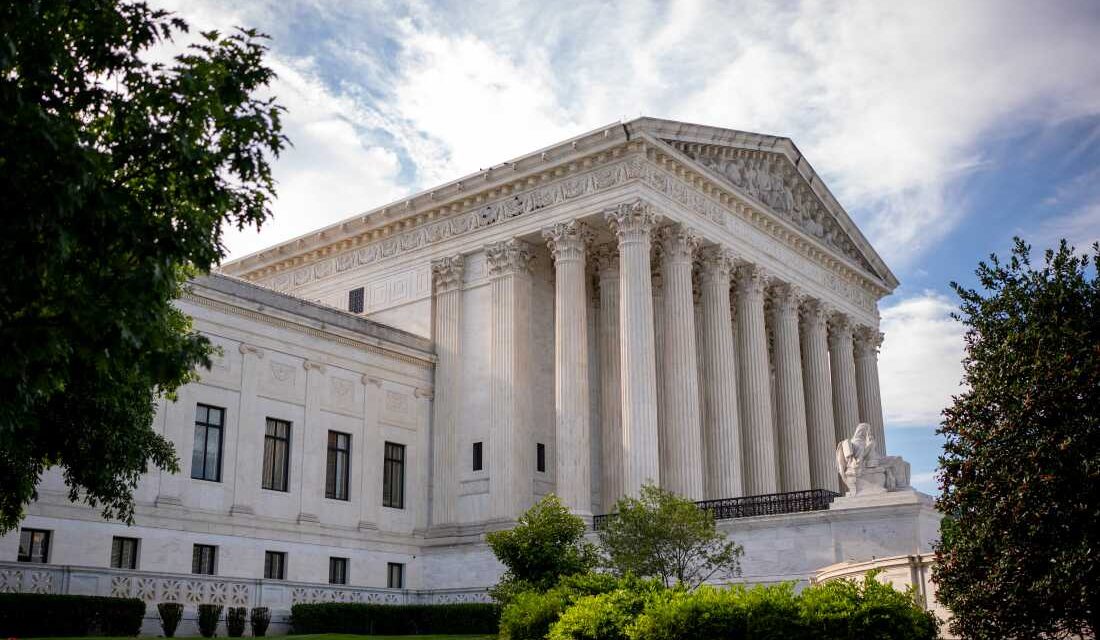
The U.S. Supreme Court decided not to halt the execution of Victor Saldaño, who was sentenced to death for a 1996 murder in Texas. Despite support from both defense and state experts who assessed Saldaño as intellectually disabled, making him ineligible for execution under legal standards, the court did not intervene.
Saldaño, who was in the U.S. illegally when the crime occurred, was implicated in a murder during a botched robbery. His initial legal representation failed to present his intellectual disability during the trial. The Texas Office of Capital Forensic Writs ultimately got involved, discovering that Saldaño had an IQ of 74. This IQ score falls within a range that might exempt him from execution.
Ben Wolff, director of the Texas Office of Capital Forensic Writs, traveled to Argentina, Saldaño’s home country, to gather more evidence. Interviews with neighbors, family, and teachers indicated Saldaño often struggled with understanding simple tasks, such as crossing the street safely. After reviewing this evidence, state prosecutors concurred that Saldaño should not face the death penalty.
Despite this, the Texas Court of Criminal Appeals did not agree, leading Saldaño’s legal team to seek the intervention of the Supreme Court. On Monday, the Supreme Court chose not to review the case, leaving Saldaño’s execution a likely outcome. However, his attorneys plan to persist in their efforts to stop the execution.
The decision came down with a 6-3 vote from the court. The three liberal justices dissented. Wolff expressed his disappointment, stating, “Every expert who has evaluated Mr. Saldaño for intellectual disability agrees he is intellectually disabled. The state of Texas, which initially pushed for his execution, now agrees he meets the criteria for intellectual disability. It is disheartening that the courts still have not allowed us to present what we believe is overwhelming evidence of his disability, which constitutionally prohibits his execution.”
 Details Emerge in Cornell University Alleged Gang Rape Lawsuit
  Lindsay Clancy’s Legal Battle Continues After Mistrial
  Execution of Christa Pike Sparks Protest and Legal Appeals
  Lindsay Clancy Case Returns to Court Amid Legal Strategies and Juror Dispute
  Juror Speaks Out After Lindsay Clancy Mistrial
  Tennessee Grandmother Sues North Dakota City Over AI-Led Wrongful Detention