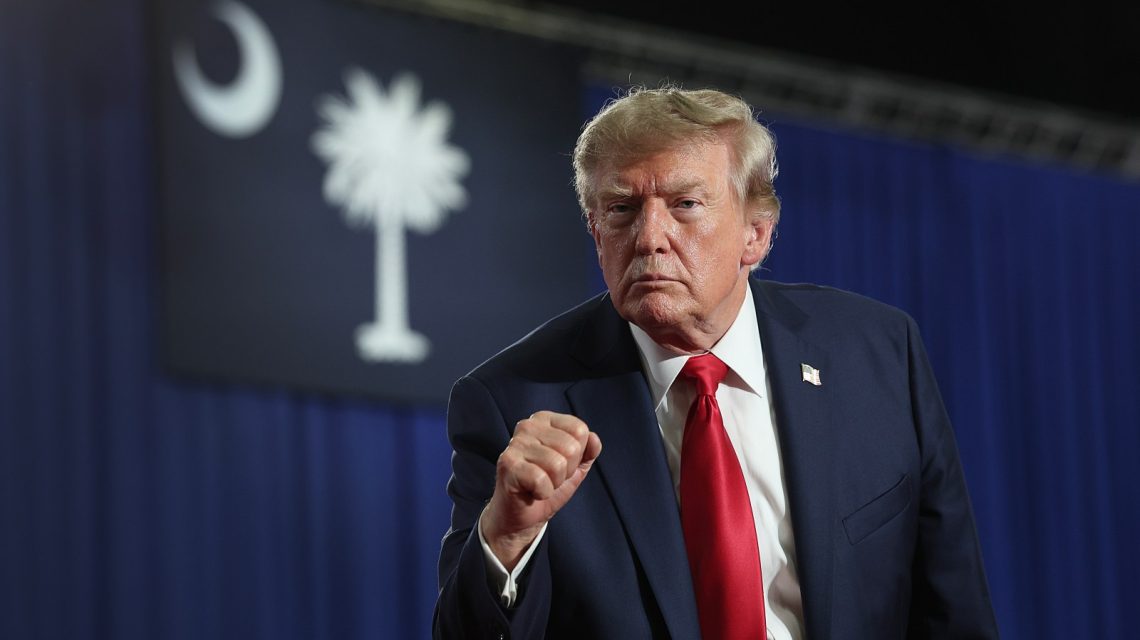
The Supreme Court has opened a path for potential changes to mail-in voting following a decision to allow parts of President Donald Trump’s executive order to proceed. The order aims to restrict mail-in voting before the upcoming midterm elections. As mail-in voting remains a key component of the electoral system, regional practices vary significantly across the United States.
Mail Voting Trends
According to a 2025 U.S. Election Assistance Commission report, about 30.3% of Americans voted by mail in 2024. Over 66 million mail ballots were distributed nationwide, with a return rate of approximately 72%. Of the returned ballots, nearly 99% were counted. The Western U.S. shows the highest mail voting concentration, with states like Oregon, Washington, Utah, and Colorado leading in 2024 mail voting percentages. Conversely, Southern and Midwestern states display minimal mail voting due to stricter regulations.
Legal Implications Ahead of Midterms
The legal debate over voting methods is heightened with less than 70 days until the midterm elections, where control of Congress is at stake. Trump criticizes mail voting, citing fraud concerns despite limited evidence. Supporters say stronger measures ensure election integrity. Conversely, studies report fraudulent mail ballots as rare, with a Brookings Institution study citing four fraud cases per 10 million mail votes during 2016-2022.
Trump’s Executive Order Details
Trump’s March order instructed federal agencies to prepare lists of eligible voters and restricted the U.S. Postal Service to deliver ballots to those on the lists. New conditions prevent non-compliant states from using Postal Service for mail ballots. Democratic officials from 23 states and Washington, D.C., argue these changes encroach on states’ constitutional rights to manage elections.
Supreme Court Ruling and Reactions
The Supreme Court’s 6-3 ruling does not resolve the legality but temporarily halts legal challenges. The majority noted uncertainty regarding the government’s implementation steps. Justice Ketanji Brown Jackson expressed concerns about potential election disruption in her dissent. The White House views the ruling as a victory for election security, with spokesperson Lauren Bis affirming Trump’s agenda.
Ongoing Legal Battles
Democratic leaders criticize the ruling and vow continued legal opposition. California Governor Gavin Newsom and Pennsylvania Governor Josh Shapiro have announced intentions to challenge the order and protect mail-in voting. New York Attorney General Letitia James emphasized exploring further legal actions, underscoring voting rights protection.
Future Court Challenges
An existing nationwide injunction against Trump’s order persists, with Judge Indira Talwani’s decision blocking significant parts of the order for this election cycle. The ruling represents ongoing legal resistance, with mail ballots set to be distributed soon. Further court challenges could influence the potential enactment of Trump’s voting changes.
For more details, contact editors John Fitzpatrick and James Debens at Newsweek.
 Lessons from a Storied Press Secretary
  Tlaib’s Bill Aims to Halt Federal Funding for Mass Surveillance
  California’s New Hate Speech Instruction Faces Pushback
  Macron Faces Criticism Amid Violent Protests in France
  Addressing Recidivism and Reforming the U.S. Prison System
  Democracy Dies in Darkness