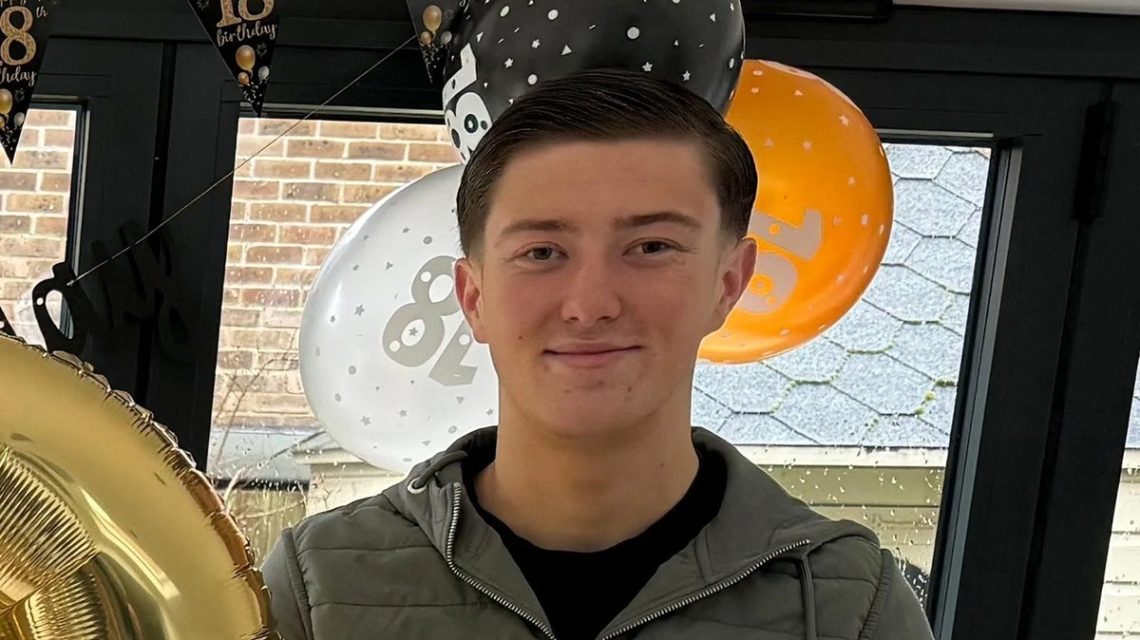
A conflict has escalated between U.S. and UK officials following the death of Henry Nowak, a young Briton, under contentious circumstances. Nowak died in police custody after being accused of racism during an encounter with his killer, Vikram Digwa. The police were initially misled by false claims, which led to widespread condemnation and debate.
The Incident and Legal Outcome
In December 2025, Henry Nowak, a university student, was fatally stabbed by Vikram Digwa in Southampton, England. Digwa, who is of Indian heritage, falsely accused Nowak of making racist remarks. He used a ceremonial Sikh kirpan knife to commit the murder. After the incident, Digwa alleged racial abuse, which police believed, resulting in Nowak’s arrest and subsequent death in custody. Digwa was later found guilty of murder and sentenced to life imprisonment with a minimum of 21 years. His mother, Kiran Kaur, was also convicted for her role in hiding the murder weapon.
Political Reactions and Criticism
The U.S. State Department expressed its condolences to Nowak’s family and criticized the event as a symptom of societal decline. Vice President JD Vance commented on the situation, highlighting concerns over ideological influences and two-tier policing in Western societies. He stressed the Trump administration’s commitment to preserving Western civilization by addressing immigration issues.
In the UK, a Downing Street spokesperson emphasized the need for unity and respecting the Nowak family’s wishes to prevent further division. The incident has intensified discussions around the UK’s speech laws and police responses to accusations of racism.
Social and Legal Context
The murder underscored the complexities of carrying ceremonial knives under British law. While carrying knives is regulated, Sikhs are legally allowed exceptions for kirpans. The stabbing brought attention to how these laws and speech regulations intersect with cultural and policing challenges.
Police later apologized for their handling of the incident. Criticism from various political figures, including U.S. Senator Eric Schmitt, highlighted concerns about the prioritization of speech policing over citizen protection.
Public Outcry and Media Response
The case drew significant public outrage, with figures like Elon Musk commenting on the police’s actions and media coverage. Musk’s posts, widely viewed, criticized the media’s silence compared to coverage of other incidents.
The conversation continues to evolve as both the UK and U.S. reflect on the incident’s implications for policy and international relations.
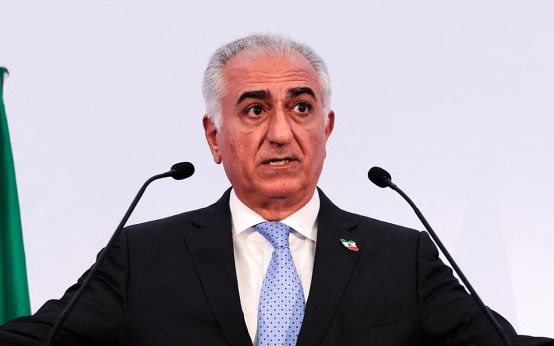 Understanding Iran’s Political Struggle: The Path to Transition
 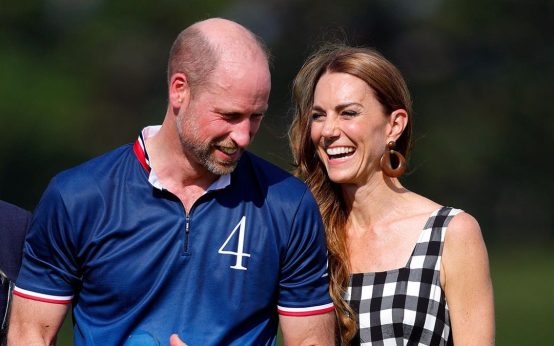 Kate Middleton: The Monarchy’s Brightest Star
  China’s Surveillance in the Red Sea Raises Concerns
 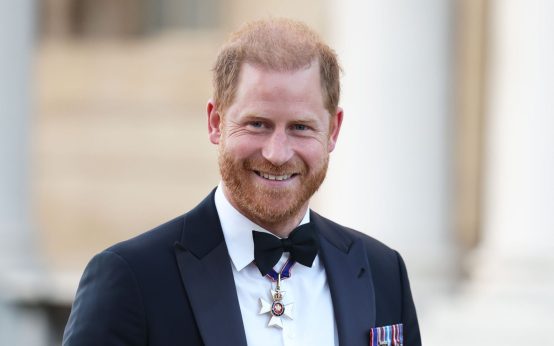 Prince Harry’s London Charity Event Amid Media Spotlight
  Converse Apologizes for Controversial Ad Sparked by Allegations of Racism
  Roman Empire’s Road Network Study Challenges ‘All Roads Lead to Rome’