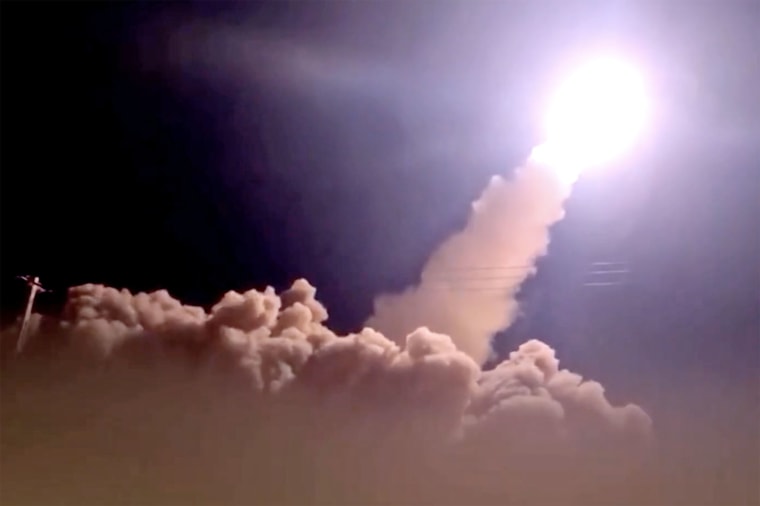
In Doha, Qatar, tensions between Iran and the United States rose as both nations’ negotiating teams prepared for talks. However, conflicting statements from Iran cast doubt on plans for direct discussions. Iran’s Foreign Ministry spokesperson, Esmaeil Baghaei, clarified that no meetings with the U.S. were scheduled and denied any relation of the Iranian delegation’s visit to Qatar with the Americans’ presence.
Amid this uncertainty, a video released by Iran’s Islamic Revolutionary Guard Corps claimed missile strikes on U.S. military sites in Kuwait and Bahrain. This development added strain to the fragile ceasefire established to halt a four-month-long war. The ceasefire agreement, set to pause the conflict affecting global oil flows through the Strait of Hormuz, faced challenges as both sides accused each other of breaching its terms.
“We will not have any negotiation meetings at any level with the American side in the coming days,” said Baghaei.
The U.S. administration, led by President Donald Trump, dispatched Jared Kushner and Steve Witkoff to Doha to lead negotiations. Yet, the fragility of the June 17 accord to extend an earlier ceasefire was apparent. Tensions between Washington and Tehran overshadowed efforts to stabilize Lebanon, where parliamentary disagreements persisted.
With oil prices soaring past $100 per barrel due to the Strait of Hormuz’s closure, pressure mounted on President Trump as midterm elections approached. The waterway’s closure contributed to global inflation, intensifying criticism of the administration’s actions without lawmakers’ approval.
A senior Iranian official indicated separate meetings in Doha for technical teams from the U.S. and Iran with mediators from Qatar and Pakistan. Focus was on managing the Strait of Hormuz while easing tensions. This attempt at diplomacy faced skepticism from U.S. political figures, including disagreements between Republican and Democratic senators regarding the administration’s communication and strategy.
Amidst military confrontations, such as Iran’s missile and drone strikes on U.S. sites, both nations continued to assert their positions. Iran’s strategy involved exerting control over the strait, proposing fees for shipping and restricting vessel movements outside designated paths.
Iranian President Masoud Pezeshkian announced the release of $6 billion from frozen assets in Qatar, declaring this as a triumph for Iran. The memorandum, allowing U.S. sanctions waivers on Iran’s oil sector, marked a significant development, though divergent views persisted on the accord’s advantages.
French President Emmanuel Macron expressed efforts to partner with Oman to defuse tensions, focusing on clearing mines in the Strait of Hormuz. However, Iran’s Deputy Foreign Minister Kazem Gharibabadi insisted that mine clearance would be an Iranian-led initiative, cautioning France against complicating the situation.
 Venezuelan Leadership at the United Nations
 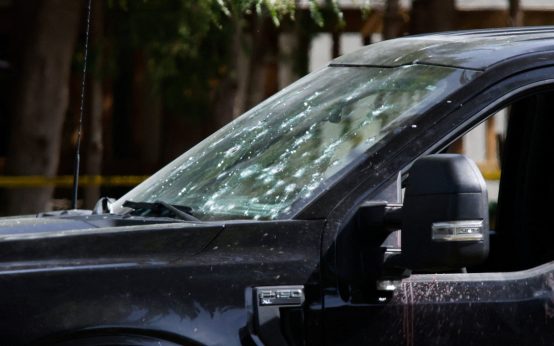 Ontario Synagogue Shooting During Yom Kippur Leaves One Officer and Shooter Injured
 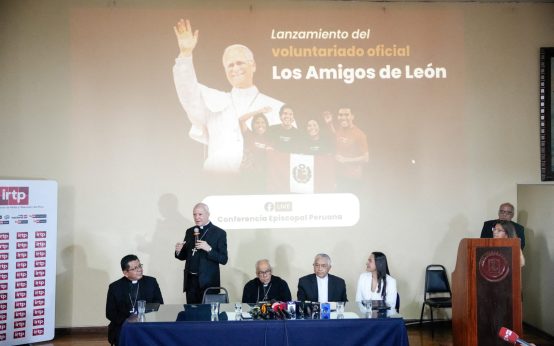 Pope Leo XIV’s Upcoming Visit to Latin America: An Overview
 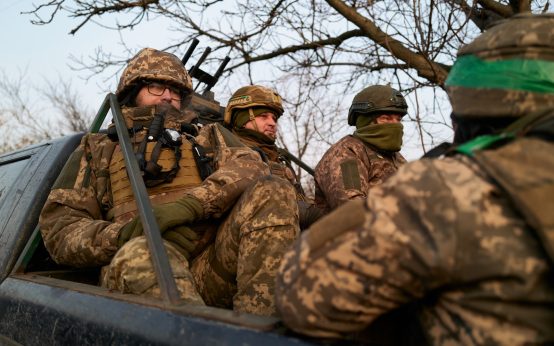 Ukraine Deploys Ground Robots in ‘Operation Vivaldi’
  Understanding AI’s Impact Compared to Historical Threats
 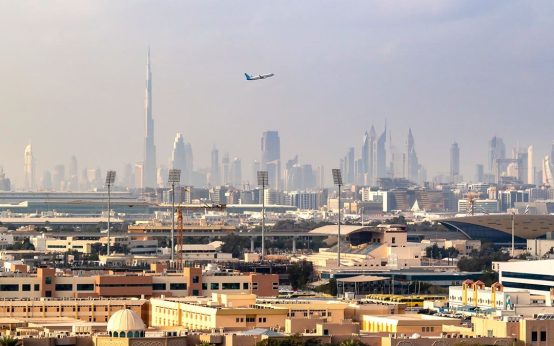 State Department Alerts on Middle East Travel Amid Rising Tensions