
Traditional tipping involves showing gratitude to service providers through generous gratuities. This practice rewards hard work and personal effort. Tipping has now shifted into something resembling a uniform expectation of outcomes, regardless of service quality.
Tipping Expectations
Tipping has become ubiquitous. When ordering a coffee at a counter, customers often see a screen asking for a tip. Ideally, tipping should act as a price signal, assessed at the end of an experience based on the quality of service provided. It serves to evaluate and reward the specific person offering the service.
A new state law requires restaurants to disclose automatic tips or service charges before ordering.
Being expected to tip upfront negates the purpose of price signaling. Often, tips are pooled and shared among a group rather than rewarding the individual service provider. This issue is prevalent in restaurants, where tipping culture has shifted dramatically.
Service Fees and Transparency
In many areas, tips are being added indiscriminately. While tipping a hotel bellman is sensible, tipping on an e-commerce purchase seems unwarranted. Businesses sometimes use tipping, service fees, and additional charges to disguise actual pricing. Instead of clear price hikes, they add these fees, resulting in unpredictable final bills for customers.
Cruise ship operators add ‘crew appreciation’ charges, and restaurants introduce surcharges for rising costs. Historically, such costs were managed by adjusting menu prices transparently. Adding fees at the bill’s end fails to build customer loyalty and leaves customers feeling overcharged.
Many charges are labeled ‘optional,’ with businesses suggesting customers can request their removal. This approach could embarrass the customer, which is not ideal for business. A straightforward pricing strategy ensures customers aren’t overwhelmed with unexpected fees.
Employee Compensation and Customer Experience
Businesses and service workers face challenges too. Some customers don’t tip well despite excellent service. It may be more honest to increase prices and improve employee wages rather than obscurely increase charges, as this affects tipping behavior.
Tipping is a valued tradition. Service providers should receive generous tips for excellent service where customary. There should be opposition to obscure pricing practices that distort tipping norms and lead to excessive fees.
 Engaging in Political Conversations with Open Minds
  Understanding Tax Debates: ‘Fair Share’ in America’s Tax System
  Managing Public Panic with Transparency and Market-Based Solutions
 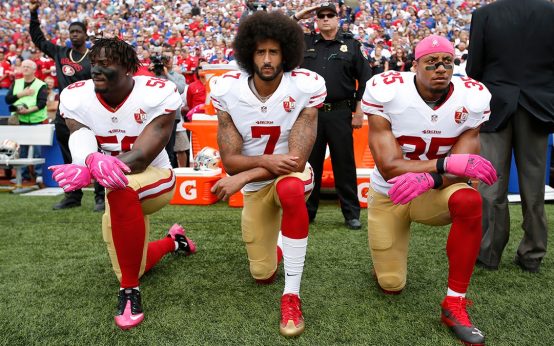 Colin Kaepernick Criticizes NFL and Shares Views on Activism During ‘The View’ Interview
  President Trump Criticizes AI Oversight Proposals
  Discussion on Lindsay Clancy’s Case Highlights Need for Broader Support