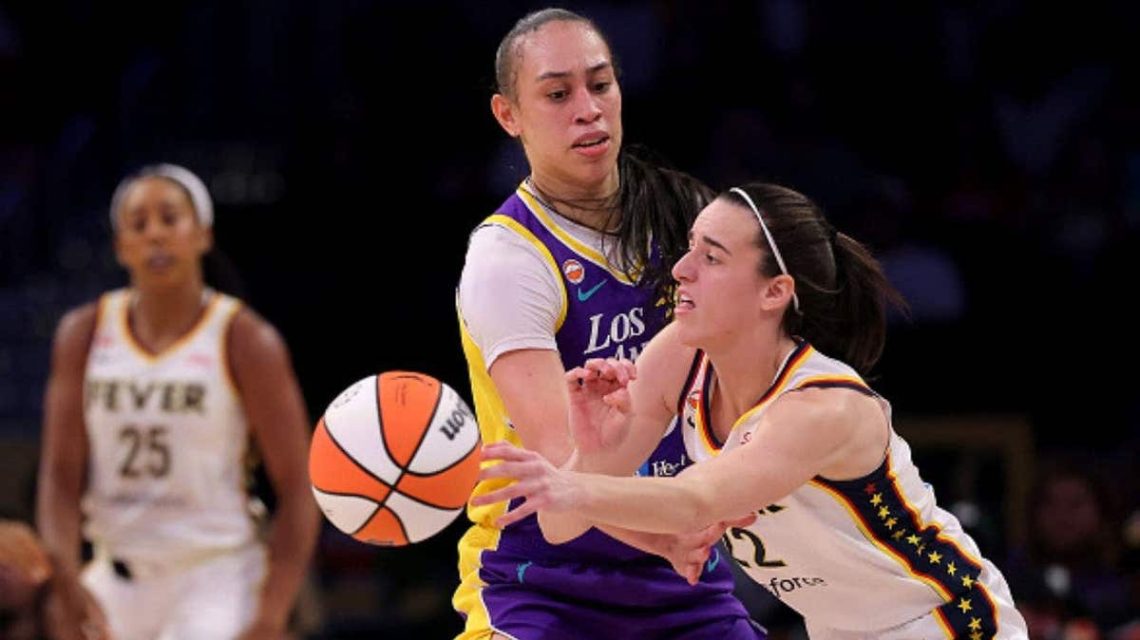
During a discussion on CNN, a panel examined the animosity some WNBA players show towards Caitlin Clark. Former ESPN host Cari Champion did not provide a specific reason but stated that attributing the issue to race disrespects Black women who have supported and started the league. According to Champion, suggesting intentional racism overlooks their longstanding contributions.
Understanding the Tension
There is a perception among some league members that Clark does not conform to the expected role. As a straight White woman, she has not entirely engaged with the racial and sexual activism prevalent in the league’s public image. This choice sets her apart from other players who have embraced these causes.
The identity politics within the league show complexity. Not all White individuals are rejected, but Clark’s approach challenges the norms. Many White players, like Cameron Brink and Paige Bueckers, have actively acknowledged their privileges and engaged in dialogues about race. Their actions seem to earn them acceptance compared to Clark.
Comparisons with Other Players
Cameron Brink, for instance, has embraced discussions on privilege and marketing advantages associated with her appearance, which seems to align her with the league’s values. Paige Bueckers has also spoken on racial equality within coaching staffs, gaining positive attention for her remarks.
Caitlin Clark stands at odds due to her focus on basketball rather than activism.
The Wider Context
The scrutiny of Caitlin Clark is reminiscent of discussions on ‘anti-racism’ in 2020, where simply not being racist was not deemed enough. There was an expectation for active efforts against racism, a mindset articulated by figures like Bomani Jones. Clark, however, refrains from claiming or showcasing any such stance, choosing instead to focus on her career in basketball.
Her position as the first White American sports superstar in post-George Floyd America adds complexity to her public perception. Some media conversations frame her success as a product of racial and gender dynamics, reinforcing narratives that provoke responses from players and the public alike.
Current Dynamics
Caitlin Clark faces a unique position in the WNBA as a player who has not conformed to expected social roles. The resulting backlash includes incidents where negative actions against her are downplayed or justified, highlighting ongoing tensions within the league.
The debate over her role, identity, and the league’s expectations reflects broader societal conversations on race, privilege, and identity politics, ensuring that the discussions around Clark will continue to engage, challenge, and polarize audiences.
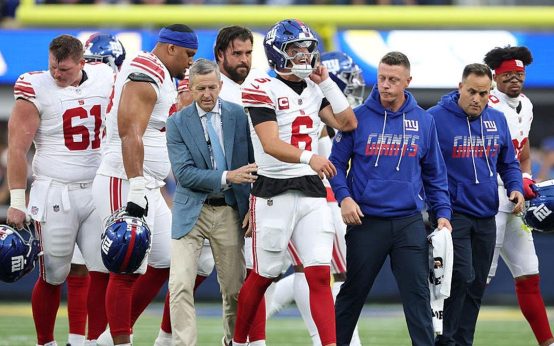 Giants’ Optimism Wanes as QB Jaxson Dart Suffers Knee Injury
  WNBA 2026 Playoffs: Teams, Scenarios, and Viewing Information
  Lane Kiffin’s Emotions and Rams’ Strategic Adjustments
 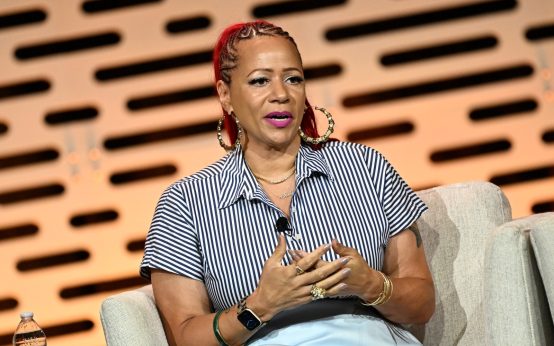 Nikole Hannah-Jones’ Reflection on School Integration and the Impact on Her Daughter
 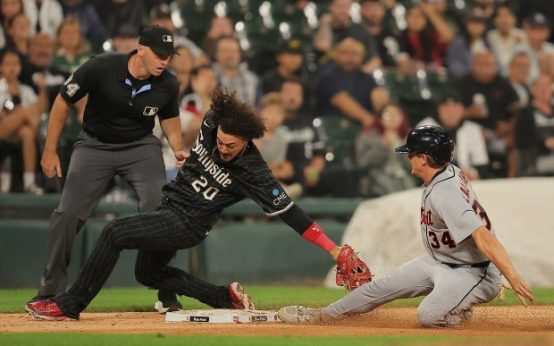 Chicago White Sox Face Crucial Stretch at Season’s End
 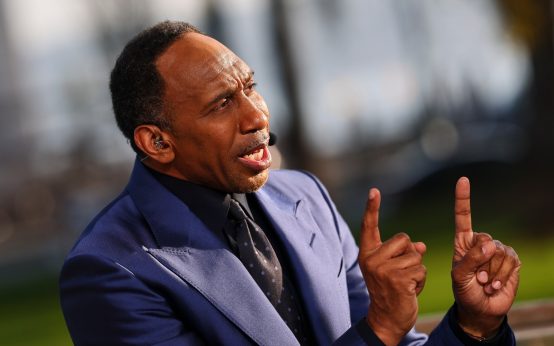 Philadelphia Eagles Triumph Over Tennessee Titans, Concerns Arise for Offensive Performance