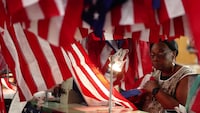
In a time of division, the American flag continues to stand as one of the most recognizable symbols in the United States. As the country celebrates its 250th anniversary, this emblem will be prominently displayed during events across the nation. From parade routes to the National Mall, the flag serves as a backdrop for celebrations and reflections.
Few people are aware of the intricate process involved in creating each flag. At Valley Forge Flag Co., a major manufacturer near Charleston, S.C., the transformation from thread to a global symbol is a well-orchestrated task.
Unifying Threads
Each American flag begins with thread. Before it becomes a symbol, the fabric is washed and inspected for any flaws. The material needs to withstand harsh conditions, especially the effects of the sun. Without UV-resistant fibers, the colors would quickly lose their vibrancy.
Oliver Fulton examines the blue nylon fabric for any defects before it enters the embroidery phase. Gigi Singletary and Anne Belflower sew the material, preparing it for the embroidery machines. Some parts of the flag prioritize strength over decoration, like the durable polyester header that anchors the flag to poles and ensures longevity outdoors.
Quinton Gallishaw prepares the heavy-duty polyester header by feeding it through a machine, creating a crease for added strength.
Stitching the Stars
The creation of stars comes first. The use of Schiffli embroidery machines has replaced the early hand-sewn flags. Bernard Keels oversees these machines as blue rectangles, which will become the canton, are fed through and stitched with the 50 white stars. Precise rows of alternating six and five stars are created with accuracy.
Workers at Embroidery Solutions, essential to Valley Forge, inspect each canton to find and correct imperfections like missing stitches or uneven spacing. Minor flaws result in rework before the piece joins a completed flag. Machines manage the main embroidery while Makayla Davis addresses any errors.
A Flag Comes Into Focus
Quickly, fabric becomes a symbol. Red and white nylon stripes and a blue field with stars unite under sewing machine needles. Workers check seams to ensure they are straight and that the finished flag withstands long exposures to the elements.
The blue fabric with stars is cut into rectangles and moves to the next step in assembly. Carolyn Bennett takes red and white stripes from a box, threading them through a sewing machine. Carnelia Rodgers sews the flag’s bottom half to the rest.
Fortified for the Wind
The final steps prioritize strength. Edges are folded and sewn to prevent fraying. The fly end, the part facing the wind, receives reinforcement. At Lane Manufacturing in Lane, S.C., a partner of Valley Forge, the heavy canvas header is added, and metal grommets are inserted for durability.
Once they pass inspection, flags receive their final stickers, adopting new significance. From then on, they receive proper treatment, respecting the traditions surrounding the nation’s banner.
Packages of American flags await shipment. Valley Forge Flag Co., with its origins in 1882, sees demand rise during significant national events, from wars to times of national unity and now as the nation reaches 250 years.
This story includes contributions from Gavin McIntyre, with editing by Monique Woo, Betty Chavarria, and David Lauter, and copy editing by Nora Simon.
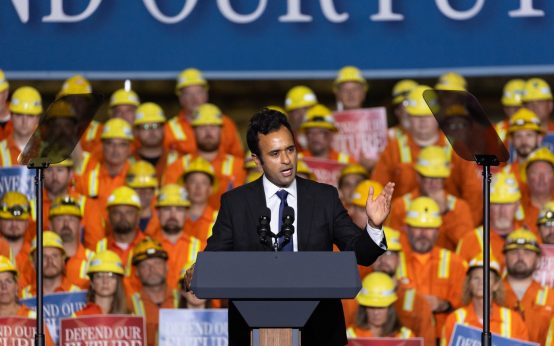 Ohio Governor Race: Ramaswamy’s Chances Decline on Prediction Markets
  FAA Ground Stops, Paramount Settlement, and ICE Shooting Incident
 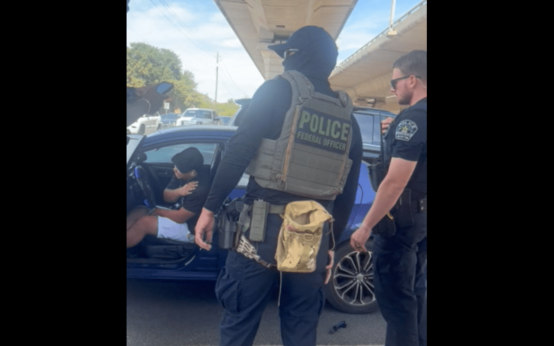 Details Emerge on Shooting of Venezuelan by ICE Officer in Austin
 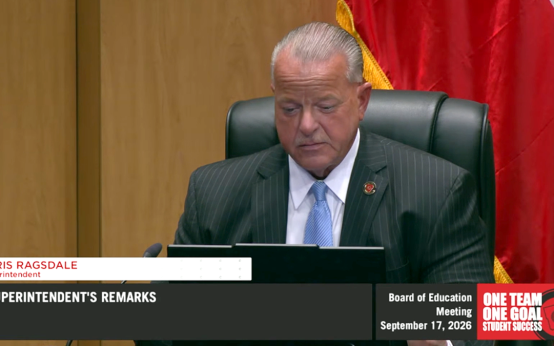 Controversial Removal of ‘The Bluest Eye’ from Georgia School Libraries
  Legal Battle Over Media Ban at White House
  Kyler Murray Cleared from Concussion Protocol, Set to Start Against Buccaneers