
Recent studies reveal intriguing reasons why certain leaders favor traditional office settings. It’s not solely about increased collaboration in physical spaces. There’s an underlying tension related to authority and visibility.
Leaders often resist remote work because the office environment offers them opportunities to establish dominance. In-person dynamics provide a clear organizational hierarchy. Leaders gain a platform where they can interact directly with their teams.
Moreover, being present in the office serves as a reminder of their authority, amplifying their influence. This need for acknowledgment might overshadow other considerations like productivity or flexibility. Offices serve as stages where leaders perform their managerial roles, reinforcing their status within the company.
These findings shed light on the psychological elements influencing the push against remote work options, demonstrating how power plays a crucial role in these preferences.
 Pod Save America Hosts Criticized for Remarks on Trump’s Mortality
  A New Era of Labor Organizing
  Medicare for All: A Radical Proposal with Historical Roots
  AI Detectors in Writing and Plagiarism Challenges
  Far-Right Party’s Electoral Victory Sparks Complex Reactions
 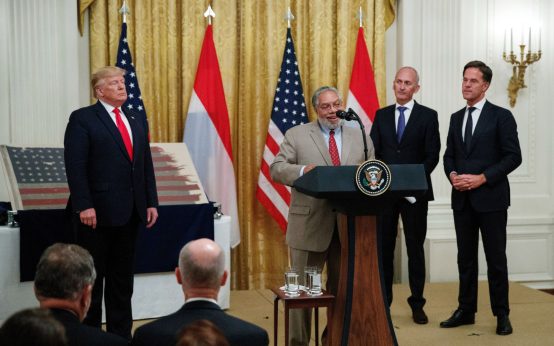 Smithsonian Chief Lonnie Bunch to Retire Amidst Historical Narrative Scrutiny