
As the results of the 2026 midterm election unfold, a key political insight resurfaces: Economic conditions heavily influence political outcomes. Democratic strategist James Carville’s advice to Bill Clinton in 1992 underscores this—highlighting the significance of energy prices in politics.
Energy costs are central to the economy. Rising gasoline prices often impact election results, especially during midterms, which commonly challenge sitting presidents and may alter power dynamics in Washington, D.C.
Global Influence on Energy Prices
Gasoline and crude oil prices depend largely on global markets, driven by supply and demand. Oil companies have limited control over these factors. More than 60% of the world’s crude moves via ocean tankers, with 20% going through the Strait of Hormuz. In 2026, tensions with Iran affected this route significantly.
When energy costs increase, other prices like food also climb, leading to inflation. In 2026, the U.S. faced the highest gasoline prices in election history, putting Republicans on the defensive. Historical patterns show that presidents such as Ford, Carter, Reagan, and Biden dealt with severe inflation and high fuel prices during midterms.
Nixon and Ford’s Energy Challenges
In 1973, the Yom Kippur War led OPEC to reduce oil production, causing a sharp 184% increase in crude prices from $4.31 to $10.31 per barrel. Richard Nixon’s price controls on petroleum couldn’t stop U.S. gasoline prices from rising 32%, contributing to economic strain. Upon Nixon’s resignation, Ford’s ‘Whip Inflation Now’ campaign failed to curb inflation, and Republicans lost seats in the 1974 midterms.
By the 1976 presidential election, gasoline had reached over 60 cents a gallon, hurting Ford’s reelection bid against Jimmy Carter.
Carter’s Struggles with Inflation
In Carter’s early years, inflation rose sharply. By 1978, inflation hit 9%, leading Democrats to lose 15 House and three Senate seats in the midterms. The 1980 presidential election saw energy prices doubling since 1976, coupled with the Iranian hostage crisis, resulting in Carter losing to Reagan.
Reagan’s Economic Approach
Reagan’s policies, known as ‘Reaganomics’, focused on tax cuts and deregulation. These efforts, paired with increased oil production, led to lower energy prices by the mid-1980s. Despite this, Republicans still faced challenges in the 1982 and 1986 midterms, losing House and Senate seats.
Gas Price Fluctuations Under Trump
During Trump’s first term, rising crude and gas prices resulted in Republicans losing 41 House seats in the 2018 midterms. However, there was a Senate gain. In his second term, the conflict with Iran disrupted oil production, causing gasoline prices to surge by nearly 40%, impacting the 2026 midterm results.
Biden’s Energy Policies
Biden faced pandemic-induced supply chain issues, leading to rising gas prices. His actions, like releasing oil from reserves, couldn’t fully mitigate price hikes. Political decisions, such as canceling the Keystone XL pipeline and reducing fossil fuel reliance, also played a role. Though gas prices peaked at an all-time high in June 2022, Democrats managed to contain losses in the midterms.
Understanding the Voter Response
Voters tend to scrutinize incumbents based on economic performance. This election cycle was no exception. Energy prices, intertwined with economic perceptions, remain pivotal in shaping voter behavior. The experiences of past presidents highlight a key principle: economic health is crucial to political success.
Article based on insights by Michael A. Mische, University of Southern California, republished from The Conversation.
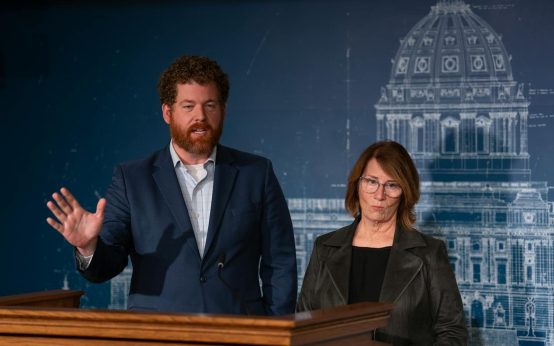 New Leadership Takes Charge in Minnesota Legislature
 Historic Wins in the 2026 U.S. Senate Elections
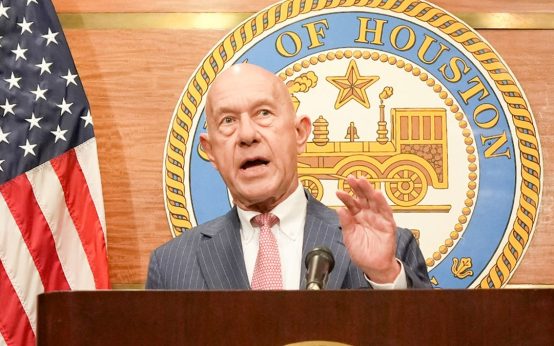 Houston Mayor Changes Stance on Cooperation with ICE
 Calley Means Criticizes Administration Aides
 Mississippi Senate Race Highlights Election Process Challenges
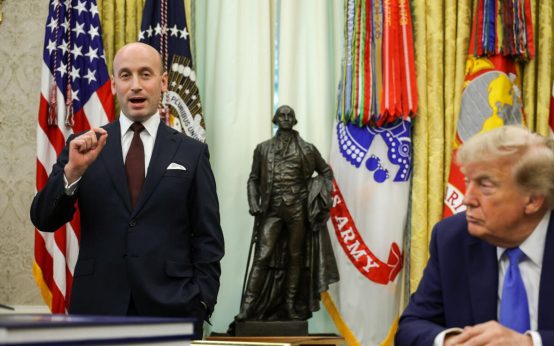 Stephen Miller Named Chief of Staff by President Trump