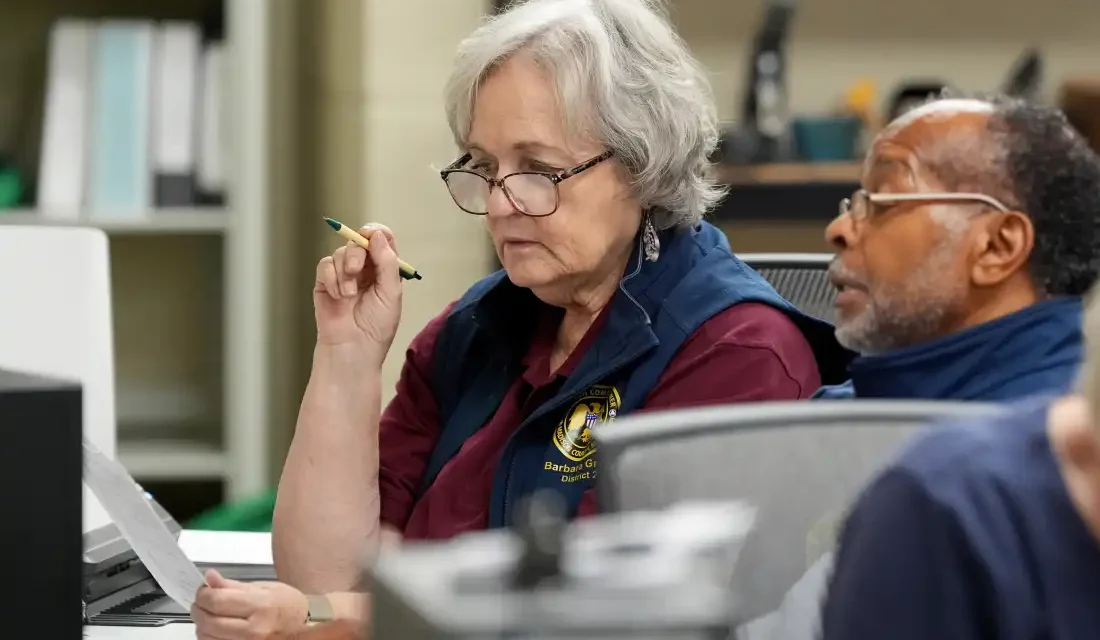
As the U.S. Senate race in Mississippi nears its conclusion, meticulous attention is on the voting procedures. Republican incumbent Senator Cindy Hyde-Smith faces Democratic challenger Scott Colom in a contest separated by a slim margin. Every vote is crucial, yet the exact number of ballots remaining is uncertain.
Mississippi’s election system is among the slowest nationwide. Michael Morse, a University of Pennsylvania law professor, noted, “Mississippi is not a model of election administration.” Since Friday at midday, the candidates were divided by fewer than 2,000 votes. Exact figures on outstanding ballots are elusive.
The Colom campaign on Tuesday stated an awareness of over 15,000 provisional ballots needing verification before counting. Contrasting estimates from the state Republican Party suggested 20,000 unaccounted ballots, potentially including absentee votes eligible until November 10 if postmarked by Election Day.
Secretary of State Michael Watson emphasized county-led elections, noting his office’s uncertainty over uncounted provisionals. He reported nearly 7,000 provisional ballots processed, about 80% accepted. “Until certified results are available, counties offer the most current information,” said Watson. Mississippi’s 82 counties need not report results until next week.
Morse expressed concern over inadequate data for such a high-profile race. “It’s difficult to know basic information,” he remarked.
Mississippi exhibits a high incidence of provisional ballots, termed affidavit ballots locally. These ballots emerge due to questions about voter eligibility and are assessed individually for counting.
If the estimated 15,000 affidavit ballots hold, they represent roughly 1.5% of votes in the Senate race, based on unofficial results. In 2022, only four states had higher provisional ballot rates.
A detail in Mississippi’s voter registration process may contribute to this: Inactive voters must cast provisional ballots. This contrasts with other states where inactive voters may vote normally for a limited period before verification.
While state media reports on using credit data for maintaining voter lists, Morse attributes more to Mississippi’s procedural differences. Voters marked “inactive” face unique challenges compared to other states.
Watson defends the registration process, claiming extra steps via affidavit ballots enhance voter roll integrity. “The few additional minutes are worth ensuring cleaner voter rolls,” he wrote on a social platform.
However, Kathy Boockvar, former Pennsylvania Secretary of State, criticized the process, citing trust issues. “People feel suspicious when required to vote provisionally,” she said.
Boockvar highlighted the consequences of lacking transparency. “Being prepared with transparent data can combat distrust,” she asserted.
 Calley Means Criticizes Administration Aides
 The Impact of Energy Prices on U.S. Midterm Elections
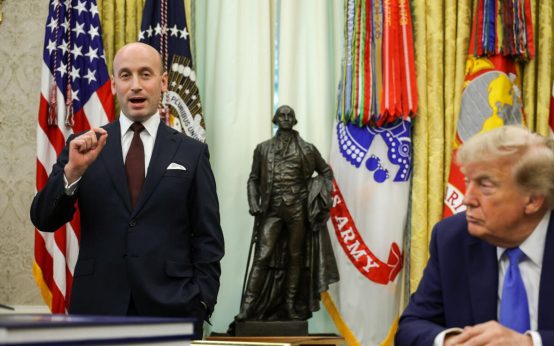 Stephen Miller Named Chief of Staff by President Trump
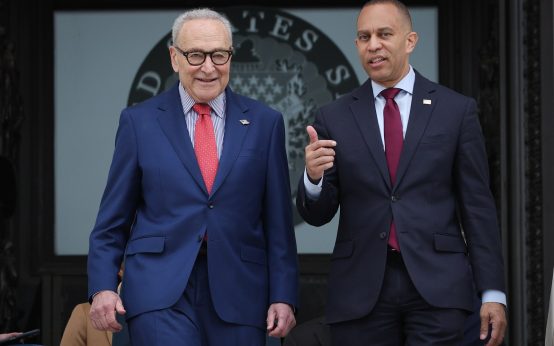 Democrats Eye Leadership Changes After Election Gains
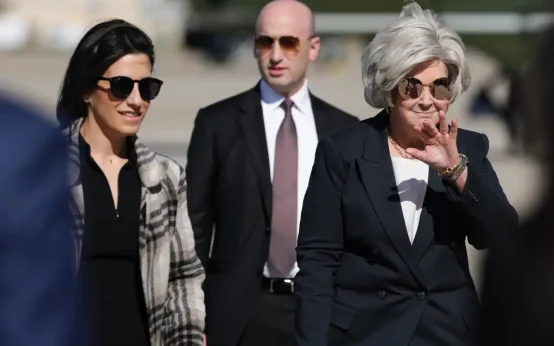 Trump Replaces Chief of Staff with Stephen Miller
 Republican Rep. Mike Lawler Discusses Election Loss Amid Controversy