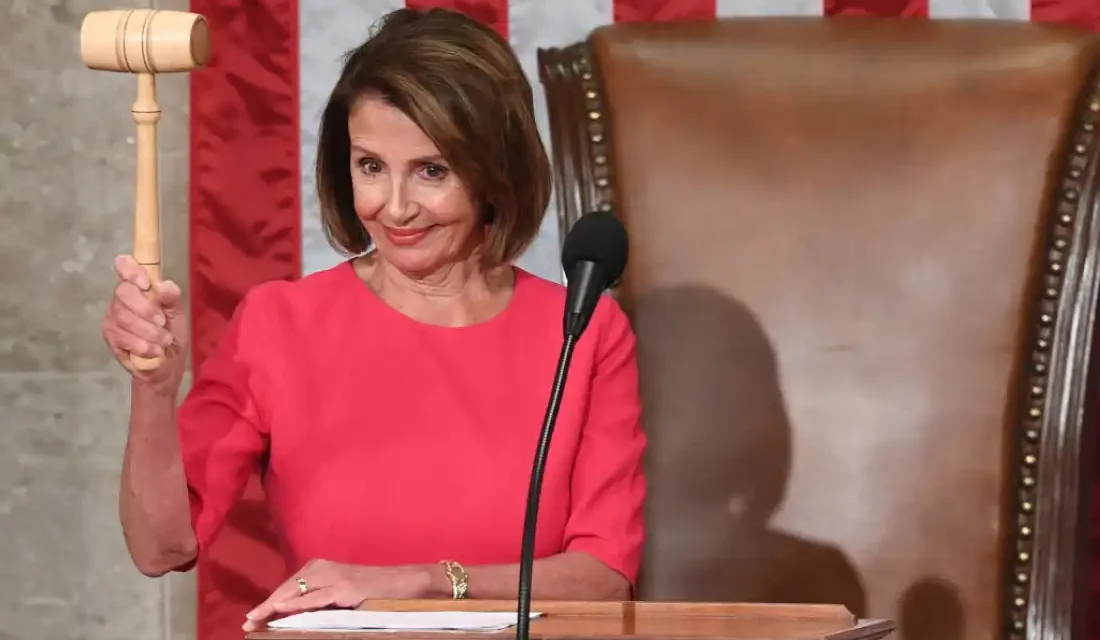
On January 3, 2019, Nancy Pelosi, representing California, assumed the role of Speaker of the U.S. House of Representatives. This occurred during the opening session of the 116th Congress held at the Capitol in Washington, D.C. Over recent years, American politics has been filled with significant events. Yet, the decade of the 2020s has not seen impactful midterms, in contrast to past decades where significant midterms shaped both Congress and national politics.
The Role of Midterms
Midterms traditionally do not garner as much attention or participation as presidential elections. They occur without the presidential race, resulting in lower voter turnout by about one-third. However, midterm voters elect the same number of Congress members and fill many state legislative seats. They also determine the holders of about two-thirds of the nation’s governorships.
Presidential terms often see big-impact midterms, particularly during a president’s second term when political support may wane. While presidents are not on the ballot, midterms serve as a referendum on their leadership. Opponents of a sitting president often view these elections as an opportunity to challenge their policies and influence.
A Decade of Elections
This decade includes three presidential election cycles (2020, 2024, 2028) and just two midterms. The 2022 midterm did not produce a significant shift; Democrats maintained control of the Senate and the House saw a slight change to a Republican majority.
Historical midterms, like those following the Wall Street Crash of 1929, reshaped political power. The Democrats gained control after a series of special elections in 1931 following these midterms, holding influence through World War II. Subsequent periods also demonstrated the pendulum swings associated with midterms.
Midterms as Political Regulators
Midterms serve as checks on political power. For example, after Dwight Eisenhower’s landslide wins in the 1950s, he lost control of Congress in the 1954 midterms. In another example, Democrats sustained majorities that passed significant civil rights laws and social programs during the 1960s.
The midterms of 1966 demonstrated a shift, as Democrats lost 47 House seats, influencing future strategies, including Nixon’s and Reagan’s respective rises in politics.
Cycle of Reversals
The 1974 midterms reflected the impact of Nixon’s resignation due to the Watergate scandal, resulting in heavy losses for the GOP. Factors like economic conditions also affected political fortunes, such as Reagan’s weakening position after his initial successes.
As Reagan left office, his vice president faced challenges maintaining momentum, highlighted by subsequent Democratic victories. This cycle of gains and losses illustrates the midterms’ regulatory nature over party dominance.
Recent Trends
Into the 2000s, presidential wins did not always translate to midterm success. George W. Bush saw initial benefit post-9/11, but midterm setbacks followed. Similarly, both Obama and Clinton experienced significant midterm losses, reshaping congressional landscapes.
Currently, if the 2020s are to experience impactful midterms as in past decades, the pressure is on for the elections approaching November 3. Economic issues and incumbent criticism point to a potential shift in congressional control.
 Scrutiny Over Alleged Misconduct by Rep. Ilhan Omar
 Minnesota Senate Candidate Criticizes Fraud Prevention Law
 California Ordered to Respond to DOJ Emergency Request on Mail-In Ballots
 Virginia Democrats’ Reaction to Indictment of Senate Leader L. Louise Lucas
 France Prepares for New Round of Protests Amid Rising Tensions
 Data Centers Spark Political Debate Across the U.S.