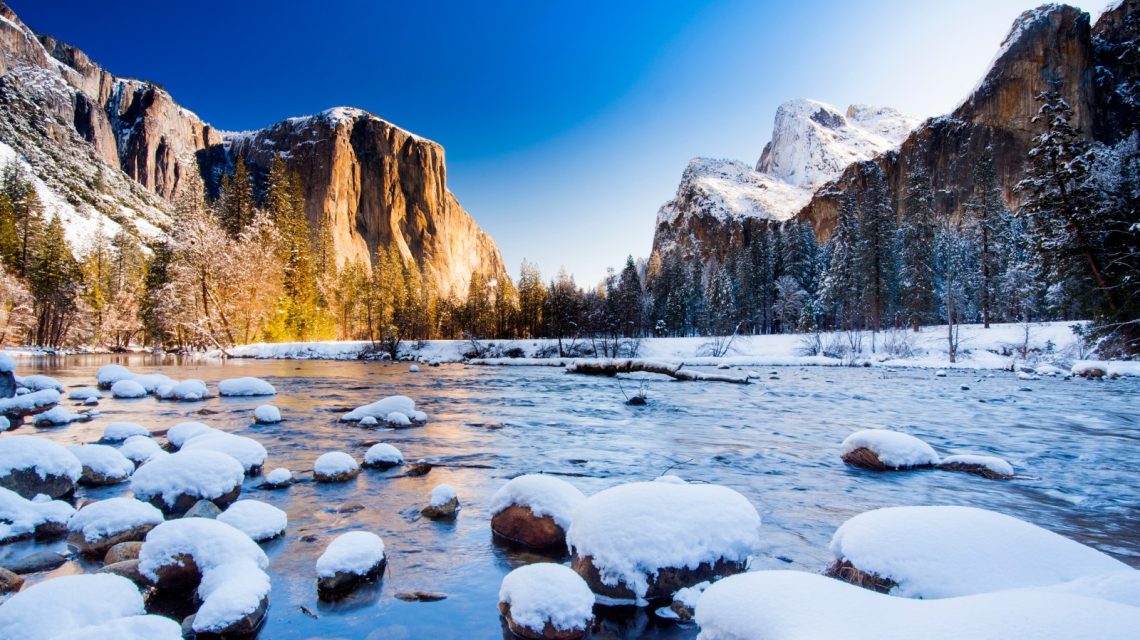
A potentially historic Super El Niño might soon change conditions in some of America’s popular national parks. This phenomenon could affect waterfalls, snowpack, flooding, and overall visitor experiences.
Weather experts predict a strong likelihood that the developing El Niño will intensify into a ‘very strong’ event by this fall and winter. Such occurrences, often called super El Niños, can significantly alter storm tracks across North America. They usually bring more rain to parts of the South and Southwest while the northern areas tend to warm up.
Understanding Super El Niño
A super El Niño refers to a very strong El Niño event. It occurs when sea surface temperatures in the central and eastern equatorial Pacific increase by over 2 degrees Celsius above average. This rise causes significant changes in global weather patterns. These rare events can worsen impacts like flooding, drought, extreme heat, and altered storm tracks in the U.S. and beyond.
National Parks at Risk
The potential super El Niño might challenge travelers, yet its effects on national parks could be mixed. For example, increased rainfall and snowfall could rejuvenate drought-affected areas, enhance waterfalls in places like Yosemite, and improve snow conditions in parts of the Rockies. However, it could also bring hazards, such as flooding and landslides, especially in the Southwest and California. Such conditions may make certain parks more appealing but also pose safety risks and travel disruptions.
Yosemite National Park
The Sierra Nevada, including Yosemite National Park, could see significant changes. Stronger El Niño winters often deliver much-needed precipitation to California. AccuWeather forecaster Paul Pastelok notes that California’s mountains may face repeated storms during El Niño periods, especially in winter. This could benefit spring and summer visitors with stunning views and activities. However, late winter could bring dangers like heavy rain or snow, leading to flooding or mudslides. Pastelok advises, “Be very cautious about planning any late-season or cold-season trips.”
Sequoia National Park
The giant sequoias might benefit from increased moisture, easing stress on ecosystems that suffered from drought and heat. Nonetheless, abundant rainfall could lead to runoff issues, infrastructure damage, and potentially fuel wildfires if dry conditions return. Pastelok suggests positive outcomes in Sequoia Park could mirror those in Yosemite.
Rocky Mountain National Park
Outcomes for Colorado’s Rocky Mountain National Park remain uncertain but promising. While these areas sometimes miss active storm tracks, Pastelok anticipates significant snowfall in parts of the Rockies, creating picturesque scenes and reducing spring water shortages. Visitors might, however, face winter disruptions and closed roads if snowfalls surpass expectations.
Everglades National Park
South Florida, including the Everglades, may experience increased moisture and potential severe weather. This could enhance water levels and wetland health, but ongoing rain could disrupt recreation and wildlife observation. With warm Atlantic waters near Florida, there might be increased rainfall and flood risks.
Yellowstone National Park
Yellowstone might experience mild winters due to El Niño. Warmer winters can influence snow totals and melt timing, impacting wildlife movements, river flows, and access to popular spots. These conditions may change Yellowstone’s geothermal landscapes, often seen under deep snow.
Glacier National Park
In Glacier National Park, warmer conditions could reduce snow accumulation and accelerate melt at lower elevations. The park, already facing changing climates, could see further transformation. Visitors might encounter altered hiking seasons and shifts in wildlife patterns. Pastelok notes that the interior west might not see significant snowfall, affecting river and rapid levels and recreational activities.
What is La Niña?
La Niña is the opposite of El Niño. This occurs when sea surface temperatures in the central and eastern tropical Pacific cool and trade winds strengthen. It can lead to global weather shifts, bringing cooler and wetter or hotter and drier conditions to various regions.
Future Implications
Scientists emphasize that each El Niño event differs, and park impacts depend on how the pattern develops through fall and winter. A very strong El Niño might reshape landscapes across the nation, influencing snowy peaks and wetlands. For travelers, iconic national parks might look and feel different this year than expected.
 Tragic Loss of LSU Student and Fiancé in Baton Rouge Incident
  Closure Announcement for The Plaza Hotel
  Environmental Concerns Halt Tree Removal at East Potomac Golf Links
  West Virginia’s Nuclear Proposal Faces Local Opposition
  Trump Discusses Lincoln Memorial Reflecting Pool Repairs and Vandalism Allegations
  Trump Labels Golf Course ‘Trash Island’ Amid Legal Conflict