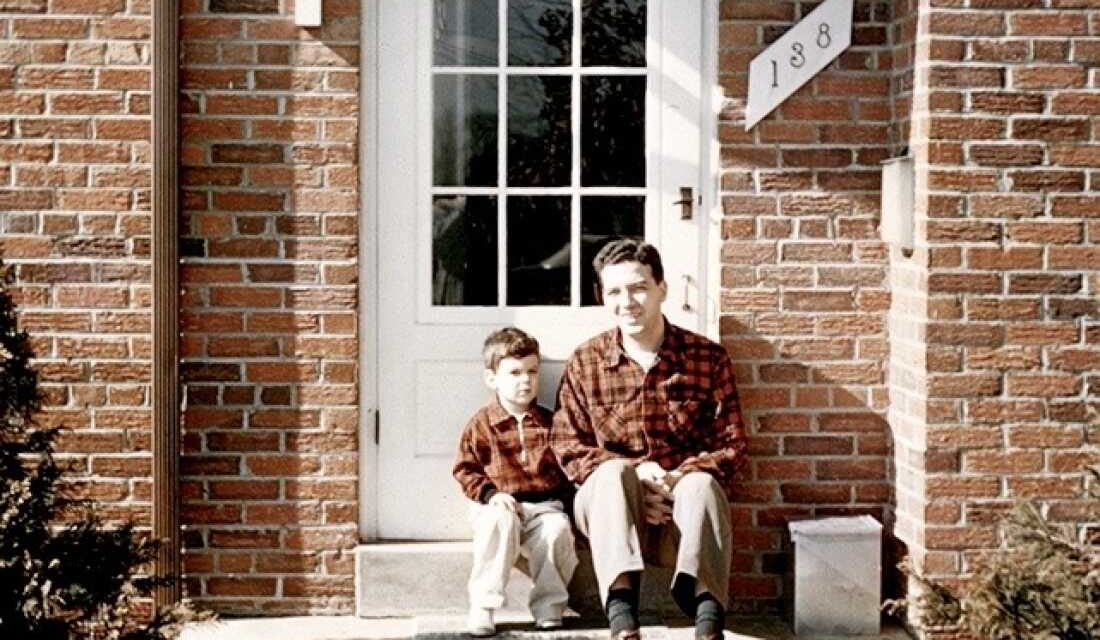
I recently watched The History of Sound, a period drama set around the year my father was born, 1919. The film follows two music students, David and Lionel, who embark on a journey through Maine, recording folk songs on wax cylinders. This piece of history resonated with me deeply, given my own career in sound, and it made me think about the origins of sound recording.
Early Innovations in Sound Recording
Sound preservation was a concept unheard of before the late 19th century. In the 1850s, Édouard-Léon Scott de Martinville devised the phonautograph, capturing sound waves as lines on soot-covered paper. These etchings allowed him to study sound but not play it back. It wasn’t until 2008 that researchers managed to convert an 1860 phonautogram into audible sound, revealing a recording of “Au Clair de la Lune.”
Thomas Edison made a tremendous leap in 1877 with the phonograph. His invention recorded voices onto tin foil, making playback possible. Edison’s first recorded words were “Mary had a little lamb.” His vision saw the phonograph preserving music and family memories. By 1919, recordings had moved from tin foil to wax cylinders, as shown in the film.
Personal Reflections on Recorded Sound
My father, a government lawyer, never had his voice recorded beyond a brief phone message that vanished after a phone system update. This absence stood out to me as I watched the film. In The History of Sound, Lionel discovers a recording of his late love, David, singing a song that had connected them. This was a poignant moment, but not one I thought I would share with my dad.
Finding My Father’s Voice
Then, I learned that my father had presented a case at the Supreme Court, which had been recording oral arguments since the 1950s. With the help of a friend, I found the recording dated February 18, 1963. Hearing his younger voice was a revelation. It brought back vivid memories of him preparing for his appearance in morning dress, looking ready for a formal occasion.
In the recording, my father presented the government’s case with confidence, a hint of his Bronx accent apparent. Despite the case’s eventual loss, his articulation and assurance shone through. Listening to his voice after so many years felt like a personal gift, similar to Lionel’s experience in the movie.
The Legacy of Sound Recording
This experience emphasized the value of recording technology. From Scott de Martinville to Edison, each innovation contributed to preserving voices and memories. For me, the ability to hear a sound from the past and share it with others remains invaluable. I feel fortunate to communicate through radio for four decades, thanks to these innovations. It’s a gift for which I am profoundly thankful.
 Artistic Chronicle of Communities’ Recovery Post-Hurricane Helene
  Chicago History Museum’s Latin American Exhibit Sparked by Student Protests
 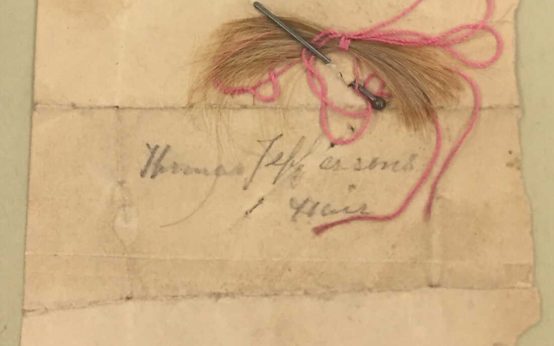 DNA Links Jefferson to Hemings Descendants
  Ari Emanuel’s Memoir: A Business-Centric Narrative
 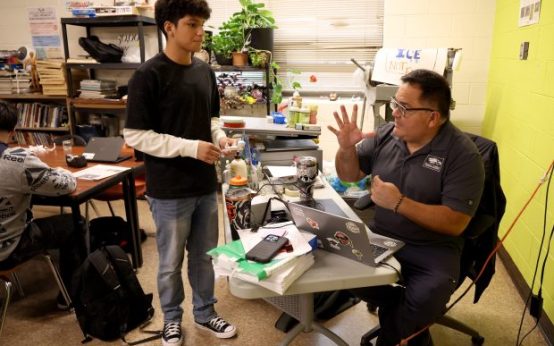 Celebrating Day of the Dead: Students Craft Calaveras in Pilsen
 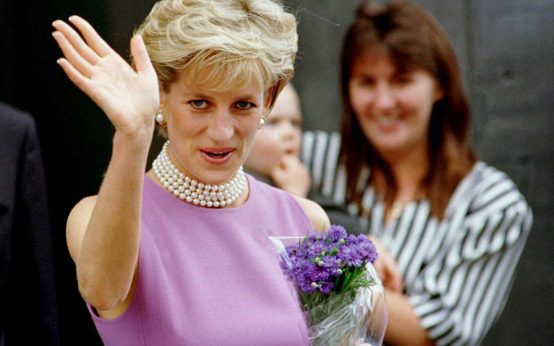 Controversial Revelations from Charles Spencer’s New Book on Princess Diana