
In 1935, a group of women enjoyed their tea in a swimming pool at Hornsey. Fast forward to modern times, and the word ‘gossip’ has found itself in the spotlight amidst speculative stories about celebrities, such as Taylor Swift and Travis Kelce’s rumored New York City wedding. Despite the absence of confirmed details, discussions about their attire and other anecdotes proliferated on platforms like TikTok and in the media. However, true information remains known only to the couple and their guests, leaving the public with mere speculations.
As part of NPR’s ‘Word of the Week’ series, an exploration into the word ‘gossip’ unveils its origins. Jess Zafarris, an author specializing in etymology, traces ‘gossip’ back to the Old English term ‘godsibb,’ meaning ‘sponsor or godparent.’ Over time, in Middle English, it evolved to refer to a close friend or neighbor, especially women friends gathering for social occasions. This term served as a precursor to today’s meaning of ‘gossip.’
Early records suggest that around the 1600s, ‘gossip’ referred to women companions at a birth. By the 16th century, ‘gossip’ began bearing a negative, gender-based connotation, related to women spreading rumors.
Gossip as a Feminist Perspective
Feminist writer Silvia Federici sheds light on gossip’s evolving perception. During the Middle Ages, women held certain powers, such as legally accusing men in court, a right that diminished over time. Federici notes that misogynist trends in society cast women’s social chatter as negative by the 17th century. The word’s original meaning faded, and society associated ‘gossip’ with idleness and social rebellion.
Federici argues the devaluation of gossip parallels the diminishing regard for women’s contributions and knowledge. Tova Leigh, author of ‘Good Girls Gossip,’ echoes Federici’s view, acknowledging that while harmful gossip exists, productive female conversation is invaluable. Leigh encourages women to embrace ‘good gossip,’ fostering honest and supportive dialogues.
Leigh expresses, ‘When women feel safe to share truths about their lives, they stop pretending and competing, recognizing shared experiences.’ She advocates reclaiming positive gossip as an empowering tool for women to connect.
 Navy Veteran Generald Wilson Reflects on Emotional National Anthem Performance
  Lucas Museum of Narrative Art: A New Cultural Landmark
 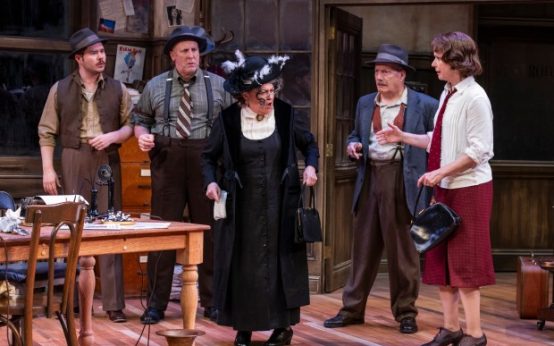 Northlight Theatre’s ‘The Front Page’: A Satirical Nod to Chicago’s Journalistic Past
  The Value of Unsupervised Play in Child Development
  Why the Creative Class and Global City Concepts Lost Momentum
  Aurora’s Moon Festival Showcases Cultural Diversity and Community Engagement