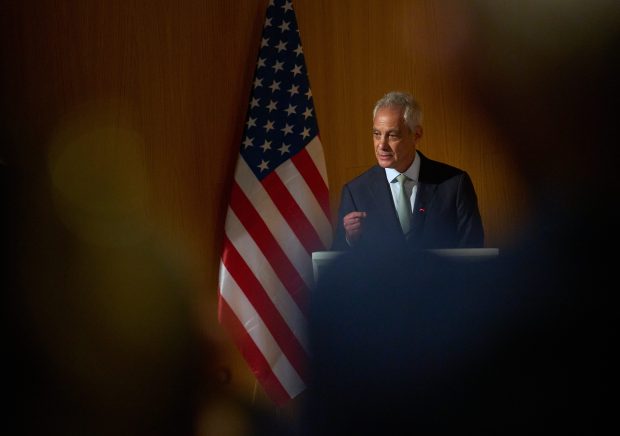
For decades, aspiring U.S. presidential candidates made their way to Israel as part of their campaigns. This visit became a tradition, including stops at key locations such as Yad Vashem, meetings with Israeli leaders, and affirmations of the U.S.-Israel bond. These gestures aimed to reassure Jewish and evangelical voters of their support for Israel.
In 2008, Barack Obama visited the town of Sderot, Israel, amidst conflict, symbolizing protection and commitment. In 2012, Mitt Romney left a note at the Western Wall, demonstrating his solidarity with Israel. The visits carried significant political weight. They allowed candidates to appear statesmanlike without the risks associated with diplomatic ventures elsewhere.
However, this practice has seen shifts. In 1979, Jesse Jackson’s embrace with Yasser Arafat left a lasting image that hampered his campaigns. Currently, a similar narrative seems to emerge as candidates adjust strategies toward Israel.
On July 8, amid rising tensions, Rahm Emanuel spoke at Tel Aviv University, criticizing Israeli policies. Concurrently, U.S. Rep. Ro Khanna visited a militarized zone in the West Bank. Khanna’s visit, accompanied by publicity elements like a microphone and a photographer, aimed at bolstering his political positioning. Yet, controversies followed each visit. Emanuel’s critique came despite his family’s historical ties to Israel. Khanna’s actions stirred reactions in his district, which has Israeli-rooted economic contributions.
The evolutionary politics surrounding these visits reflect changing voter priorities, with Democratic candidates seeking distance for praise from far-left voters. Criticism of Israel has become a platform for advancement among certain voter bases, bypassing traditional dialogue with Israeli government officials.
Historically, Israel served as a secure destination for honing foreign policy credentials. Yet, its current role includes reinforcing left-wing appeals. Criticism from afar, meant for domestic audiences, has become common. Such practices, however, risk straining an alliance vital to both nations.
Consideration for future candidates includes engaging meaningfully with diverse communities within Israel, including Palestinian and Arab populations. Engaging with institutions like the University of Haifa and Hadassah Medical Center can foster deeper understanding. Moreover, partnering with Palestinian entrepreneurs highlights potential collaborations beyond political theater. Doing so requires empathy, listening without the fanfare of speeches prepared for distant audiences.
Aaron Kaplowitz is the president of the United States-Israel Business Alliance.
 Far-Left Groups Allegedly Organize Protests in Austin
  Michigan Senate Nominee Abdul El-Sayed Criticized for Remarks on Reproductive Rights
  Alan Ritchson Faces Backlash Over Political Remarks
  Poll Reveals Voter Preferences Between Socialist Democrats and MAGA Republicans
  Challenges of Electing a Female President: Insights from ‘The View’
  Himalayan Pilgrimage: A Couple’s Narrow Escape and Lingering Questions